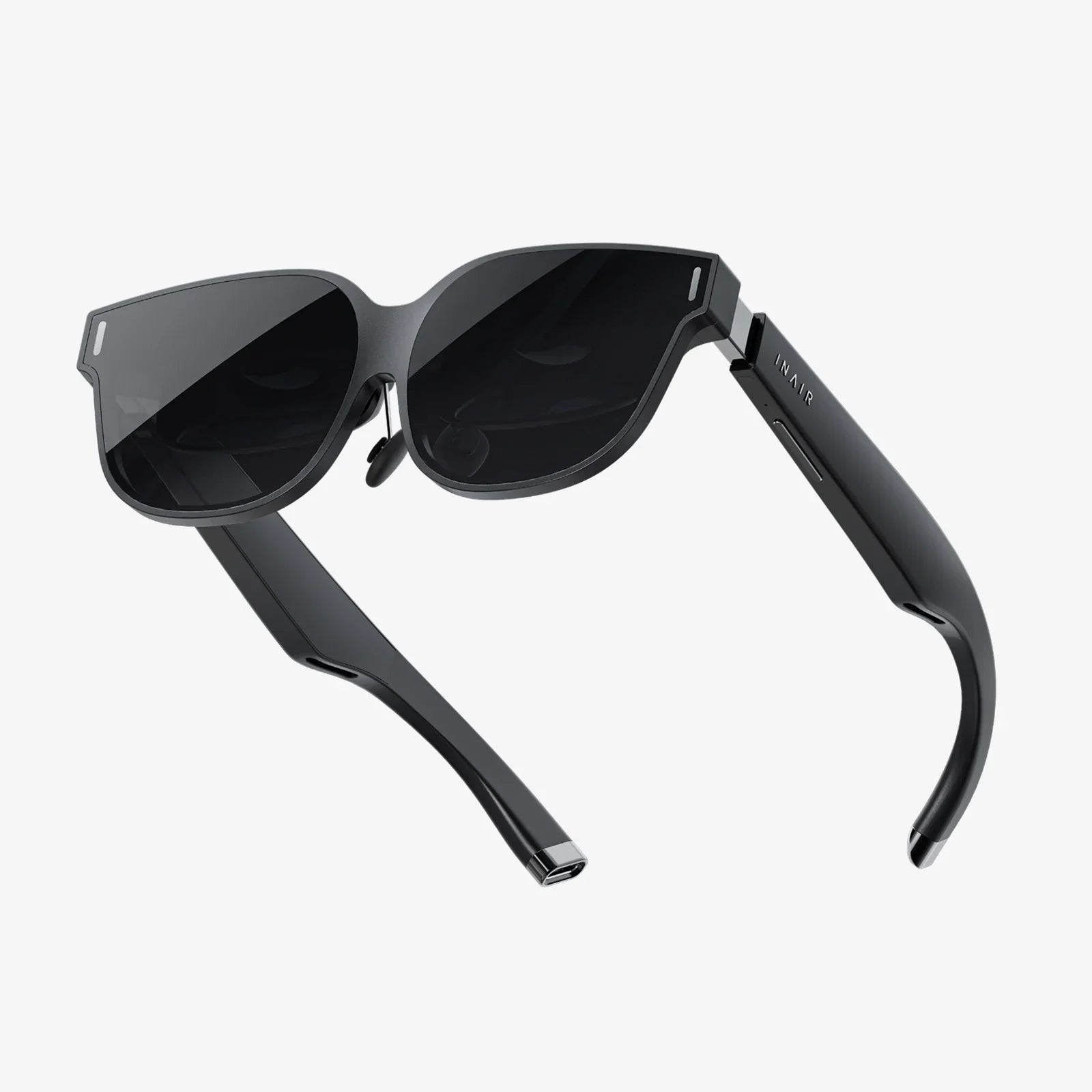
Imagine walking through your day with a quiet, intelligent companion that sees what you see, hears what you hear, and helps you think more clearly without ever pulling out a phone. That is the promise many people imagine when they hear about project astra glasses: a new generation of smart eyewear that could turn the world itself into your interface. Before these devices become mainstream, it is worth exploring how they might actually work, how they could change our habits, and what trade-offs they will demand from all of us.
What Are Project Astra Glasses Supposed To Be?
Project astra glasses are often described as a vision for AI-powered eyewear that merges augmented reality, voice assistance, and real-time understanding of the environment. Instead of being just another screen, they are intended to act as a bridge between your senses and powerful cloud-based intelligence.
In concept, these glasses combine several technologies:
-
Augmented reality overlays that place digital information into your field of view.
-
Multimodal AI that can interpret images, video, audio, and text together.
-
Context awareness so the system understands what you are looking at and where you are.
-
Natural language interaction through voice or subtle gestures instead of keyboards and touchscreens.
-
Cloud connectivity to offload heavy processing and stay updated in real time.
Rather than acting like a mini-computer on your face, project astra glasses are envisioned as a more ambient, invisible layer of intelligence that quietly assists without dominating your attention.
Core Technologies Behind Project Astra Glasses
To understand how transformative project astra glasses might be, it helps to break down the key technical pillars that underpin them.
Multimodal AI: Seeing, Hearing, and Understanding
Traditional digital assistants mainly work with text and voice. Project astra glasses add vision as a first-class input. A multimodal AI system can:
-
Recognize objects in your surroundings: tools, documents, signs, devices, and more.
-
Read text from screens, labels, whiteboards, and books in real time.
-
Interpret scenes to understand what is happening, not just what is present.
-
Combine audio and video context to answer questions like “What did this person just explain?”
This multimodal capacity allows the glasses to act less like a search engine and more like a companion that can follow your train of thought as you move through the world.
On-Device vs Cloud Processing
Project astra glasses must balance power and practicality. Heavy AI models run best in the cloud, but constant streaming raises latency and privacy concerns. A likely architecture would involve:
-
On-device processing for quick tasks like wake words, basic image filtering, and gesture detection.
-
Cloud processing for complex reasoning, large language models, and long-term memory.
-
Smart caching to store frequently used data and reduce network dependency.
-
Adaptive modes that switch between offline and online capabilities depending on connectivity and battery.
This hybrid approach could make project astra glasses responsive enough for everyday use while still delivering advanced AI capabilities.
Interaction Methods: Voice, Gaze, and Gestures
Typing on a tiny virtual keyboard is not the future. Project astra glasses are expected to rely on more natural interaction methods:
-
Voice commands for questions, instructions, and dictation.
-
Gaze tracking to understand what you are referring to when you say “What is this?”
-
Subtle gestures like tapping the temple, pinching fingers, or nodding to confirm actions.
-
Contextual triggers where the system proactively offers help based on what it sees and hears.
The goal is to minimize friction so that interacting with project astra glasses feels as natural as thinking out loud.
Everyday Use Cases That Could Redefine Routine
The real power of project astra glasses comes from how they might integrate into actual daily routines. Below are several scenarios that illustrate their potential impact.
Productivity and Workflows
For knowledge workers, project astra glasses could become a silent partner during meetings, research, and focused work.
-
Live meeting assistance: The glasses could transcribe conversations, highlight key decisions, and summarize action items without a laptop in front of you.
-
Contextual reminders: Looking at a document might trigger a reminder of your last notes on that topic or related tasks.
-
Hands-free research: You could ask, “Summarize the main points of this report,” while simply looking at the page.
-
Cross-application memory: Instead of searching across apps, you might say, “Show me the chart I was working on yesterday that relates to this slide,” and have it appear in your view.
Rather than switching between windows and tabs, your work environment could follow your attention wherever it goes.
Education and Learning
Students, hobbyists, and lifelong learners could benefit from project astra glasses as an on-demand tutor that is aware of context.
-
Interactive explanations: While reading a textbook or watching a lecture, you could ask, “Explain this formula in simpler terms,” with the system knowing exactly which part you mean.
-
Real-world demonstrations: In a lab, the glasses could overlay safety instructions or step-by-step procedures on the equipment you are using.
-
Language learning: While walking through a city, signs, menus, and labels could be translated in place, with pronunciation and usage tips available on request.
-
Adaptive pacing: The AI could track what you struggle with and offer targeted micro-lessons at the right moments.
Learning would shift from something that happens in dedicated sessions to something woven into everyday experiences.
Home Life and Personal Organization
Project astra glasses could also reshape how people manage their homes and personal tasks.
-
Visual reminders: Looking at the fridge might prompt a note like “You are low on milk and eggs,” based on previous shopping patterns.
-
Guided cooking: Step-by-step recipes could be overlaid on your workspace, with timers and safety warnings integrated into the visual flow.
-
Household maintenance: When examining a broken appliance, you could ask, “What is likely wrong here?” and see annotated suggestions or repair steps.
-
Family coordination: Shared calendars, tasks, and notes could appear in context, such as seeing today’s activities when you glance at the front door.
This ambient awareness could reduce the mental load of tracking dozens of small responsibilities.
Navigation and Travel
For travelers and commuters, project astra glasses hold obvious appeal.
-
Heads-up navigation: Instead of glancing down at a phone, arrows and markers could be integrated into your view of the street.
-
Contextual information: When looking at a landmark, you might see historical facts, opening hours, or crowd levels.
-
Transit assistance: Real-time status of buses or trains could appear as you approach a station, with guidance to the correct platform.
-
Safety alerts: The system could warn you if you are about to step into traffic or enter a restricted area while distracted.
Travel would become less about juggling maps and apps and more about simply moving through space with subtle guidance.
Health, Fitness, and Accessibility
Project astra glasses could also play a significant role in health and accessibility, if designed thoughtfully.
-
Fitness coaching: Real-time feedback on posture, pace, or form could be overlaid during workouts, helping reduce injury and improve performance.
-
Medication and routine reminders: Visual cues could appear when you open a medicine cabinet or approach a specific time of day.
-
Assistive vision: For people with certain visual impairments, enhanced contrast, zoom, or text-to-speech could make environments more navigable.
-
Stress and focus tracking: Combined with other devices, the system could suggest breaks or breathing exercises when it detects signs of fatigue.
Used wisely, these features could support healthier habits and greater independence.
Design Challenges: Comfort, Style, and Social Acceptance
For project astra glasses to succeed, they must fit into people’s lives not just technologically, but socially and physically.
Comfort and Ergonomics
Wearing a device on your face for hours is very different from holding a phone for a few minutes. Key design considerations include:
-
Weight distribution so the glasses do not strain the nose or ears.
-
Heat management to prevent discomfort from processors and batteries.
-
Battery life that can last through a typical workday without becoming bulky.
-
Prescription compatibility for those who need corrective lenses.
Even powerful features will fail if the device is uncomfortable after an hour of use.
Aesthetics and Personal Identity
Smart eyewear must also respect personal style. People do not want to feel like they are wearing a gadget billboard on their face. Project astra glasses will likely need:
-
Multiple frame styles to match different tastes and face shapes.
-
Subtle indicators rather than bright lights that draw attention.
-
Minimal bulk to avoid the “tech headset” look.
-
Customization options such as colors, materials, or interchangeable parts.
The more the glasses resemble normal eyewear, the more likely people are to adopt them in public and professional settings.
Social Norms and Etiquette
One of the most complex challenges is how project astra glasses will fit into social norms. People may worry about being recorded or analyzed without consent. To address this, the ecosystem around these glasses will need:
-
Clear visual cues when cameras or microphones are actively capturing.
-
Configurable privacy modes that can disable certain features in sensitive environments.
-
Shared etiquette guidelines for using the glasses in meetings, classrooms, or social gatherings.
-
Transparent policies about how data from bystanders is handled and protected.
How society responds to early adopters will heavily influence whether project astra glasses become a niche tool or a mainstream platform.
Privacy, Security, and Ethical Considerations
Whenever a device collects rich data about what you see, hear, and say, privacy and ethics move to the center of the conversation. Project astra glasses are no exception.
Continuous Sensing and Data Collection
To be helpful, the glasses must constantly process sensory input. This raises key questions:
- How much of the visual and audio stream is stored versus processed and discarded?
- Where is the data stored — on-device, in the cloud, or both?
- Who can access this data and under what conditions?
- How long is data retained, and can users fully delete it?
Responsible design would require strict data minimization, strong encryption, and clear user controls over retention and sharing.
Consent and Bystander Rights
Unlike a phone in your pocket, project astra glasses are always pointed outward. That means they inevitably capture information about other people. Ethical questions include:
- Should the glasses notify nearby people when recording is active?
- How should they behave in sensitive locations like hospitals, schools, or private events?
- Can businesses or institutions set policies that limit or ban their use on premises?
- What protections exist for people who are recorded without their knowledge?
Balancing user convenience with bystander privacy will be a central challenge for any company developing project astra glasses.
Bias, Fairness, and Misuse
AI systems can inherit biases from the data they are trained on, and project astra glasses could amplify these issues if not carefully managed.
-
Recognition errors may occur more frequently for certain demographics, leading to unequal experiences.
-
Misinterpretation of context could cause the system to make inappropriate or harmful suggestions.
-
Potential misuse includes surveillance, stalking, or unauthorized data analysis.
-
Overreliance on AI might reduce human judgment in critical situations.
Developers of project astra glasses will need robust testing, transparent documentation, and safeguards to reduce these risks.
How Project Astra Glasses Could Reshape Human-Computer Interaction
Beyond specific features, project astra glasses represent a shift in how we relate to technology itself.
From Screens to Surroundings
For decades, computing has been screen-centered: desktops, laptops, tablets, and phones. Project astra glasses suggest a different model where:
- The world becomes the primary canvas for information.
- Interfaces are layered onto reality instead of contained within rectangles.
- Interaction is driven by context and intention rather than app icons and menus.
In this paradigm, you do not open an app to get information about an object; you simply look at it and ask.
Ambient, Proactive Assistance
Current digital assistants are mostly reactive: you ask a question, they respond. Project astra glasses could enable more proactive help:
- Noticing when you seem lost and offering navigation support.
- Recognizing repeated errors in a task and suggesting improvements.
- Highlighting relevant information when you revisit a place or document.
- Quietly organizing your notes and experiences into structured knowledge.
This shift from tools you operate to companions that anticipate needs could fundamentally change how people perceive AI.
Cognitive Offloading and Human Potential
One of the most profound effects of project astra glasses could be on how we use our own minds. By offloading certain tasks to AI, people might:
- Rely less on rote memorization and more on understanding and creativity.
- Track complex projects without constantly juggling details in working memory.
- Access specialized knowledge on demand, regardless of background or training.
- Collaborate with others more fluidly, with shared context available at a glance.
At the same time, there is a risk that overreliance on AI could weaken certain cognitive skills. The challenge is to design project astra glasses so they enhance, rather than replace, human capabilities.
Potential Limitations and Friction Points
While the vision is compelling, project astra glasses will not be magical. Several limitations are likely to shape real-world adoption.
Battery Life and Performance Constraints
High-performance AI, bright displays, and continuous sensing all consume power. This creates trade-offs:
- Shorter battery life may require frequent charging or bulky batteries.
- Displays might need to be dimmer or more selective to conserve energy.
- Some advanced features could be limited to certain usage windows.
- Thermal constraints may cap processing power during extended sessions.
Engineering progress will gradually improve these factors, but early versions may feel more like specialized tools than all-day companions.
Connectivity and Reliability
Many of the most impressive capabilities of project astra glasses depend on robust connectivity. In practice:
- Rural or congested areas may deliver inconsistent performance.
- Offline modes might feel limited compared to full cloud-powered features.
- Data costs could become a concern for heavy users.
- Critical tasks may require fallback options when connectivity drops.
Designers will need to clearly communicate what the glasses can do in different network conditions to avoid user frustration.
Learning Curve and Cognitive Load
Even if project astra glasses are intuitive, they still represent a new way of interacting with technology. Users will need time to:
- Understand available commands and capabilities.
- Customize notifications to avoid constant distraction.
- Develop habits that integrate the glasses into daily routines.
- Navigate the social implications of wearing them in different settings.
Thoughtful onboarding, tutorials, and default settings will be essential for smooth adoption.
Preparing for a World With Project Astra Glasses
Whether or not project astra glasses become as common as smartphones, they signal a broader shift toward ambient, context-aware computing. Individuals, organizations, and policymakers can begin preparing in several ways.
For Individuals
People interested in this technology can start by reflecting on their own boundaries and goals.
- Decide which aspects of life you would want AI assistance with — and which you would not.
- Learn about digital privacy practices, including permissions, encryption, and data minimization.
- Experiment with current voice assistants and wearable devices to understand their strengths and limitations.
- Pay attention to how constant connectivity affects your focus and relationships.
This self-awareness will make it easier to use project astra glasses deliberately rather than letting them shape your habits by default.
For Businesses and Institutions
Workplaces, schools, and public organizations will need to consider policies and opportunities related to project astra glasses.
- Define where and when smart eyewear is appropriate or restricted.
- Explore how augmented reality and AI could enhance training, safety, and collaboration.
- Develop guidelines for handling recordings, transcriptions, and AI-generated summaries.
- Offer education on responsible use to employees, students, or members.
Handled proactively, project astra glasses could become powerful tools rather than sources of confusion or conflict.
For Policymakers and Society
At a broader level, the rise of project astra glasses will intersect with questions of regulation, ethics, and public norms.
- Clear rules may be needed around consent, surveillance, and data retention.
- Standards could help ensure interoperability and prevent lock-in to a single ecosystem.
- Public dialogue can shape expectations about acceptable and unacceptable uses.
- Support for digital literacy will become increasingly important as technologies grow more immersive.
Thoughtful frameworks can help ensure that the benefits of project astra glasses are widely shared while minimizing harm.
Why Project Astra Glasses Capture So Much Imagination
Project astra glasses sit at the intersection of several powerful trends: AI that understands language and vision together, devices that fade into the background, and a desire to reclaim attention from the constant pull of screens. They embody both hope and tension — hope for a world where knowledge is always at hand, and tension over how much of ourselves we are willing to share with our tools.
If they fulfill even part of their promise, project astra glasses could change how people learn, work, travel, and connect with one another. They might help us see patterns we would otherwise miss, remember details we would forget, and navigate complexity with more confidence. At the same time, they will force hard conversations about privacy, autonomy, and what it means to be fully present in our own lives.
The most important question is not just how advanced the technology will become, but how intentionally we choose to use it. Project astra glasses hint at a future where the boundary between human perception and digital intelligence grows thinner every year. Whether that future feels empowering or invasive will depend on the choices made now — by designers, by institutions, and by each person who decides what they want their next pair of glasses to really do.