


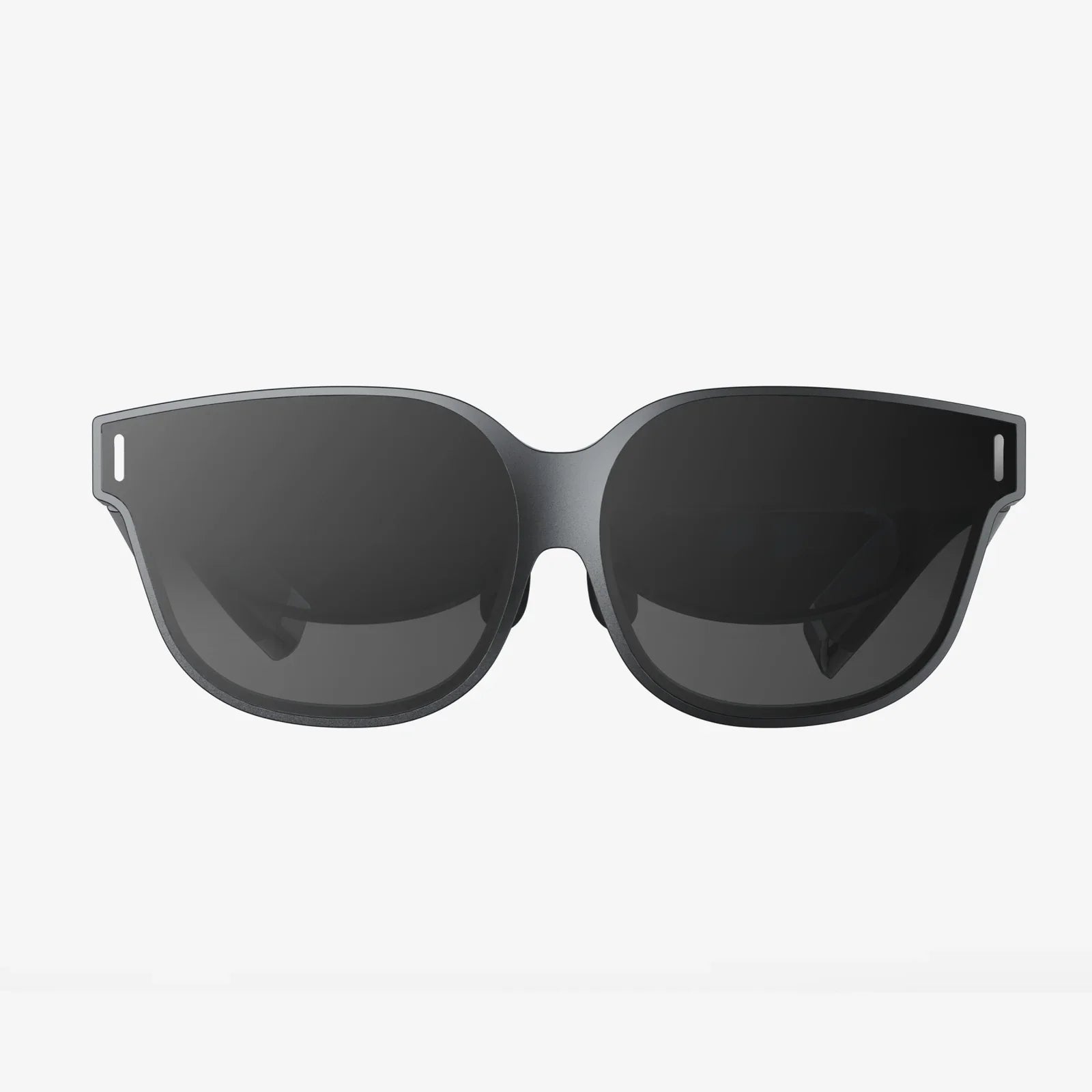
Imagine stepping into a new world, one where the impossible becomes tangible, where you can climb mountains, perform surgery, or design a skyscraper without ever leaving your room. This is the captivating promise of virtual reality technology, a innovation that is simultaneously thrilling and terrifying in its potential to reshape human existence. The line between the physical and the digital is blurring at an unprecedented rate, inviting us to question not just what this technology can do, but what it should do. The journey into the virtual realm is one of the most significant technological leaps of our time, and its ultimate impact remains a complex tapestry of incredible opportunity and profound risk.
The Allure of the Virtual: Unprecedented Advantages
The potential applications of VR extend far beyond gaming and entertainment, seeping into the very pillars of our society and offering solutions to long-standing challenges.
Revolutionizing Education and Training
Perhaps one of the most powerful pros of virtual reality technology is its capacity for immersive learning. Traditional education often struggles with abstract concepts. VR makes them concrete. Instead of reading about ancient Rome, students can walk its cobblestone streets. Medical students can practice complex surgical procedures on detailed virtual patients, making mistakes without catastrophic consequences. This "learning by doing" in a risk-free environment accelerates skill acquisition and improves knowledge retention dramatically. Flight simulators have used this principle for decades; VR now brings that level of training to countless other fields, from welding to public speaking.
Transforming Healthcare and Therapy
The therapeutic benefits of VR are nothing short of remarkable. It is being used for exposure therapy, allowing patients with phobias or PTSD to confront their triggers in a controlled, safe setting. For patients suffering from chronic pain, immersive VR experiences can act as a powerful non-pharmaceutical distraction, effectively reducing their perceived pain levels. Furthermore, VR aids in physical rehabilitation, turning repetitive exercises into engaging games that motivate patients to complete their often-grueling regimens. Surgeons also use VR to plan and rehearse complicated operations, studying a patient's unique anatomy in 3D space before making a single incision.
Enabling Remote Collaboration and Redefining Work
The concept of the "metaverse" and virtual offices points to a future where physical location is irrelevant. VR meetings can foster a stronger sense of presence and connection than traditional video calls, allowing colleagues from across the globe to interact with 3D models, data visualizations, and each other's avatars as if they were in the same room. This has implications for architecture, engineering, and design, where teams can collaboratively build and modify prototypes in real-time within a shared virtual space. It also opens doors for more inclusive remote work opportunities that feel less isolating and more productive.
Expanding Entertainment and Social Connection
Entertainment is the most visible pro of VR, offering entirely new forms of storytelling and experience. You are no longer just watching a movie; you are inside it. You are not just playing a game; you are inhabiting its world. This creates unparalleled levels of empathy and engagement. Socially, VR allows people to connect in meaningful ways despite physical distance. Families separated by oceans can share a virtual living room, friends can attend concerts together, and individuals with mobility issues can experience events they would otherwise be unable to access, combating loneliness and fostering community.
The Hidden Cost: Navigating the Significant Drawbacks
For all its brilliance, the immersion offered by VR is a double-edged sword. The very power that makes it transformative also makes it potentially hazardous, raising serious ethical, physical, and psychological concerns.
Physical Health and Safety Concerns
A primary and immediate con of virtual reality technology is its physical side effects, often grouped under the term "cybersickness." This is a type of motion sickness characterized by dizziness, nausea, headaches, and eye strain, caused by a disconnect between what the eyes see (movement) and what the body feels (stationary). Prolonged use can also lead to visual fatigue, as users focus on a screen just centimeters from their eyes for extended periods. There are also tangible safety risks in the real world; users immersed in a virtual environment are oblivious to their physical surroundings, creating a high risk of tripping, colliding with objects, or other accidents.
Psychological and Social Implications
The psychological impact of VR is a vast and largely uncharted territory. A significant risk is escapism. When a virtual world is more appealing than reality, users may withdraw from real-life responsibilities and relationships, potentially exacerbating anxiety, depression, and social isolation. There are also profound questions about identity and behavior. How does embodying an avatar for long periods affect our sense of self? Furthermore, VR experiences are incredibly visceral. A traumatic event in VR, such as harassment or violence, could have psychological impacts similar to a real-world event, raising serious questions about safety and regulation in virtual spaces.
The Privacy Paradox and Data Exploitation
VR headsets are not just display devices; they are sophisticated data collection machines. They can track and record biometric data—where you look, how you move, your pupil dilation, even your emotional responses. This data is a goldmine for advertisers and corporations, enabling manipulative marketing on an unprecedented scale. The privacy implications are staggering. This level of surveillance goes far beyond what social media platforms currently do, creating a potential for misuse that society is ill-equipped to handle. Who owns this intimate data, and how will it be used?
High Barriers to Access and the Digital Divide
Despite falling prices, high-quality VR systems remain a significant financial investment, requiring not only the headset but also a powerful computer or console in many cases. This creates a new digital divide, where access to these transformative educational, professional, and social tools is limited to those with sufficient means. This risks creating a two-tiered society: one that can afford to experience and shape the virtual future, and one that cannot, potentially exacerbating existing socioeconomic inequalities on a global scale.
Ethical and Reality Blurring Dilemmas
As the technology advances, the line between virtual and real will continue to fade, presenting deep ethical quandaries. The concept of "presence"—the feeling of actually being in a virtual space—is so powerful that experiences in VR can feel authentic. This raises questions about morality and consent in virtual environments. If an action feels real but has no physical consequence, does it matter? Furthermore, the potential for hyper-realistic misinformation and propaganda is terrifying. Imagine not just watching a fake news report, but being placed inside a convincingly fabricated event designed to manipulate your beliefs. The erosion of a shared, objective reality is perhaps the most existential threat posed by advanced VR.
Striking a Balance for a Responsible Future
The path forward is not to reject virtual reality technology outright, but to approach it with mindful intention, robust ethical frameworks, and a commitment to human-centric design. Developers must prioritize user well-being, building in breaks and designing experiences to minimize cybersickness. Policymakers need to craft clear regulations around data privacy and user protection in virtual spaces, treating biometric data with the seriousness it deserves. As users, we must cultivate digital literacy and critical thinking, understanding the effects of prolonged immersion and consciously balancing our virtual and physical lives.
The true measure of this technology's success won't be its graphical fidelity or its level of immersion, but its ability to enhance our humanity rather than diminish it. It should be a tool that connects us more deeply to each other and the real world, not one that facilitates our escape from it. The virtual realm holds a mirror to our own society, reflecting both our greatest aspirations for connection and innovation and our deepest fears about alienation and control. The power to decide which reflection becomes our reality lies not in the technology itself, but firmly in our hands.
The door to countless virtual worlds is now open, offering a siren song of adventure, knowledge, and connection that is almost impossible to resist. Yet, before we cross that threshold for good, we must ask ourselves the most critical question: will we use this profound technology to build a brighter future, or will we simply get lost in the dazzling lights of a world that isn't really there? The answer will define the next chapter of our human story.
Share:
Virtual Reality (VR) Marketplaces: The Next Frontier of Digital Commerce and Experience
Advances in Virtual Reality: Beyond the Hype and Into Our Reality