


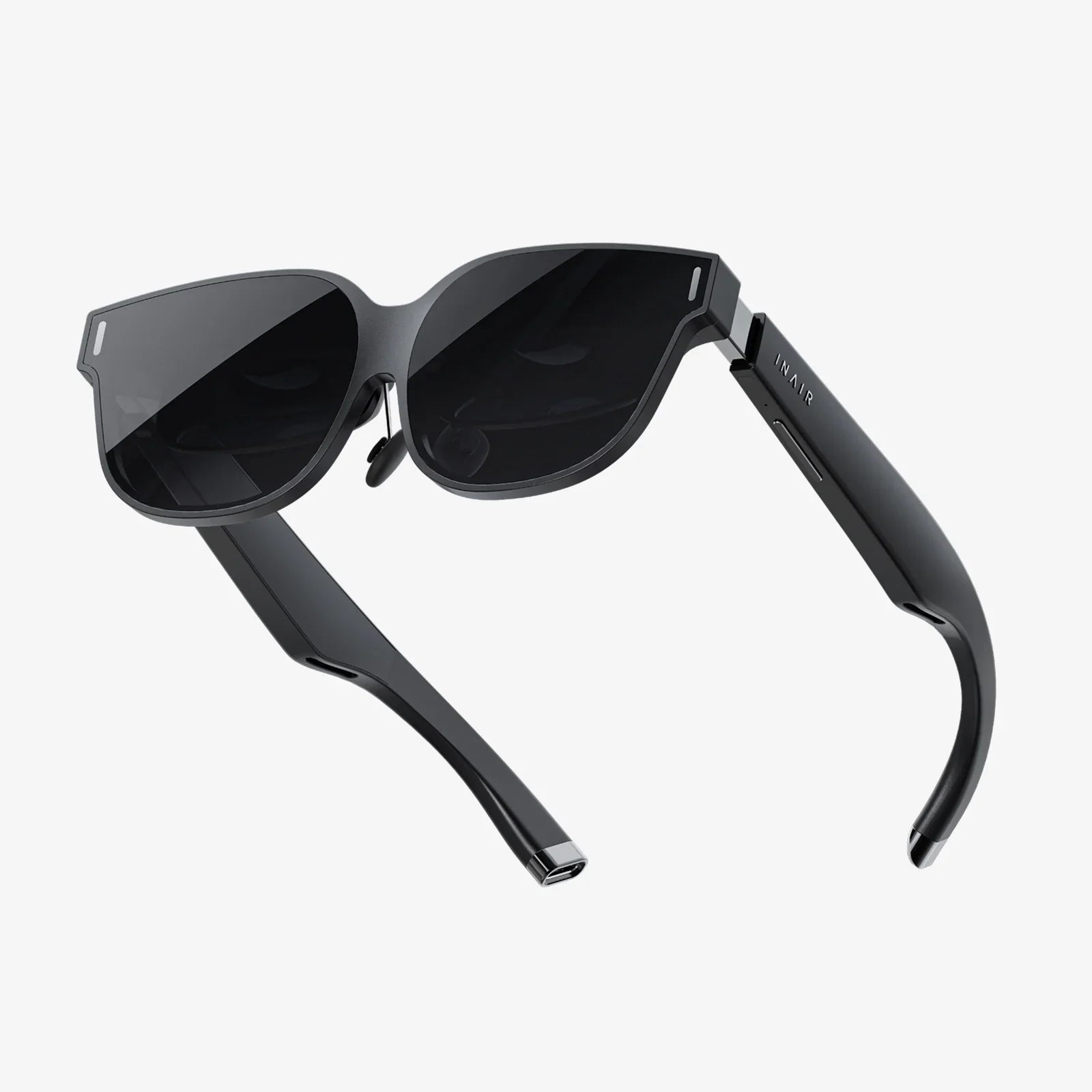
The digital realm is spilling over into our physical world, not on screens we hold, but in spaces we inhabit. Two technologies at the forefront of this revolution are Virtual Reality (VR) and Augmented Reality (AR). Once the stuff of science fiction, they are now increasingly accessible, promising to transform how we work, learn, play, and connect. But as with any powerful technological shift, this new frontier is a landscape of both dazzling opportunity and sobering challenge. Understanding the full spectrum of pros and cons of VR and AR is not just for tech enthusiasts; it is essential for anyone who will live, work, and raise children in a world increasingly mediated by these immersive tools.
The Defining Divide: VR vs. AR
Before weighing their merits, it's crucial to distinguish between the two. While often grouped together, they offer fundamentally different experiences.
Virtual Reality (VR) is an immersive, computer-generated simulation. By wearing a headset, users are transported into a fully digital environment, completely replacing their visual and auditory reality. The physical world is blocked out, allowing for total immersion in a fictional or replicated setting, from the depths of the ocean to the surface of Mars.
Augmented Reality (AR), by contrast, layers digital information onto the real world. Using devices like smartphones, tablets, or smart glasses, AR superimposes computer-generated images, text, or data onto the user's view of their immediate surroundings. It enhances reality rather than replacing it, allowing digital objects to interact with the physical environment in real-time.
The Pros: A World of Possibility
The potential applications for VR and AR are vast and span nearly every sector of society. Their benefits are already being realized in profound ways.
Revolutionizing Education and Training
This is perhaps the most promising arena for both technologies. VR can transport students inside a human heart to observe blood flow or to ancient Rome to walk through the Forum. This experiential learning creates powerful, memorable connections that textbooks cannot match. Similarly, AR can bring complex diagrams to life on a page or display historical facts when a student points their device at a monument.
In professional training, the impact is even more direct. Surgeons can practice intricate procedures in a risk-free VR environment. Mechanics can use AR glasses to see repair instructions overlaid on the engine they are fixing. Pilots have used simulation for decades, and VR is making advanced flight simulators more accessible and realistic. This hands-on, immersive training drastically improves skill retention and safety while reducing costs associated with physical equipment and potential errors.
Transforming Healthcare and Therapy
Beyond training, VR and AR are becoming powerful therapeutic tools. VR exposure therapy is effectively treating PTSD, phobias, and anxiety disorders by allowing patients to confront their triggers in a controlled, safe setting. AR is assisting in physical rehabilitation by turning exercises into engaging games, improving patient motivation. Furthermore, VR is being used for pain management, creating calming, distracting environments that can reduce the perception of acute pain during medical procedures.
Enhancing Remote Collaboration and Design
VR and AR are erasing geographical barriers. Architects and engineers can step into 1:1 scale models of their designs in VR, identifying issues long before construction begins. Colleagues from across the globe can meet in a shared virtual boardroom as lifelike avatars, interacting with 3D models of products they are developing. AR allows a remote expert to see what a field technician sees and annotate their view with arrows and instructions, guiding them through a complex repair in real-time. This fosters a new level of collaboration and efficiency.
Unleashing New Forms of Entertainment and Storytelling
The entertainment industry has been an early adopter. VR gaming offers an unparalleled level of immersion, placing the player directly inside the game world. But it goes beyond games; VR films and experiences allow audiences to be present within the story, exploring the environment from their own perspective. AR games blend the digital and physical, encouraging exploration and social interaction in the real world. These technologies are creating entirely new art forms and narrative structures.
Boosting Retail and Commerce
AR is changing how we shop. Customers can use their smartphones to see how a piece of furniture would look in their living room or how a pair of glasses would fit their face before making a purchase. Car buyers can explore different colors and features overlaid on a physical vehicle. This "try before you buy" digital capability reduces uncertainty and returns, leading to more confident consumers and higher conversion rates for businesses.
The Cons: Navigating the Pitfalls
For all their promise, VR and AR come with a significant set of drawbacks and risks that must be thoughtfully addressed.
Physical and Psychological Health Concerns
The most immediate drawbacks are physical. Prolonged use of VR headsets can cause cybersickness, a type of motion sickness characterized by dizziness, nausea, and headaches, resulting from a disconnect between what the eyes see and what the body feels. Eye strain is common, and there are ongoing studies into the long-term effects of focusing on screens placed just inches from the eyes. VR also presents tripping hazards and the potential for collisions with real-world objects while the user is immersed.
Psychologically, intense immersion can lead to a phenomenon known as dissociation, where users feel disconnected from their physical body or reality after a VR session. There are also concerns about the impact of hyper-realistic violent experiences in VR and their potential desensitizing effects. Furthermore, escaping into a perfect virtual world could exacerbate social isolation and avoidance for some individuals.
High Cost and Accessibility Barriers
High-quality VR and AR systems remain expensive. The cost of a powerful headset, combined with the high-end computer often required to run it, places these technologies out of reach for many consumers and smaller institutions. This creates a digital divide, where the benefits of immersive learning and training are only accessible to the affluent, potentially widening existing socioeconomic gaps.
Privacy and Data Security Risks
This is arguably the most significant long-term concern. VR and AR headsets are data collection powerhouses. They have cameras and sensors that map the user's physical environment in intricate detail. They track eye movement, hand gestures, body position, and even vocal inflections. This biometric data is incredibly personal and valuable. The question of who owns this data, how it is stored, and how it might be used (or misused) for targeted advertising, surveillance, or manipulation is a looming ethical nightmare. The always-on cameras of AR glasses, in particular, raise serious questions about the privacy of anyone who enters their field of view.
Social and Ethical Implications
As these technologies blend into daily life, they challenge social norms. Will conversing with someone wearing AR glasses feel natural if you're unsure if they are looking at you or a digital overlay? Will VR socialization replace meaningful real-world interaction, leading to greater loneliness? There is also the risk of reality blurring, where individuals struggle to distinguish between real memories and experiences generated in virtual environments. Ethically, the potential for incredibly realistic misinformation or propaganda created in VR is a frightening prospect.
Content Limitations and Technological Immaturity
Despite rapid advancement, the technology is still maturing. VR libraries, while growing, are still limited compared to traditional media. Experiences can sometimes feel like tech demos rather than fully fleshed-out applications. Issues like limited field of view, screen door effect (seeing the lines between pixels), and the sheer bulkiness of the hardware can break immersion and remind users they are wearing a device. Achieving true, comfortable, and photorealistic immersion is still a work in progress.
The Path Forward: Responsible Immersion
The journey into widespread VR and AR adoption is not about choosing between uncritical acceptance or outright rejection. It is about navigating a middle path with mindful intention. The immense benefits in education, healthcare, and industry are too great to ignore, but they must be pursued with a clear-eyed view of the risks.
This requires robust and forward-thinking regulation around data privacy and security. It demands ethical design principles from developers, prioritizing user well-being over engagement metrics. For users, it means cultivating digital literacy—understanding how these technologies work and their potential effects—and practicing healthy usage habits, taking regular breaks and maintaining a strong connection to the unmediated physical world.
The future shaped by VR and AR is not predetermined. It will be built by the choices we make today: the policies we enact, the products we build, and the ways we choose to integrate these powerful tools into our lives. The goal should not be to live in virtual worlds or through digital overlays, but to use these technologies as they are best suited—as extraordinary instruments to enhance, rather than escape, the human experience. The promise of a better reality is within our grasp, but it requires us to look past the hype and directly confront the trade-offs.
Imagine a surgeon on another continent guiding a critical operation through AR overlays, a student exploring the universe not from a page but from the cockpit of a spaceship, or a design team collaborating on a new invention in a shared virtual space as if they were in the same room. This is the breathtaking potential on the horizon. Yet, lurking in that same future are questions of who controls our most personal data and how we preserve our sense of shared reality. The ultimate success of VR and AR won't be measured by their graphical fidelity or processing power, but by our ability to harness their power for collective good while building strong guardrails against their inherent dangers. The door to this new dimension is now open; stepping through wisely is the challenge of our time.
Share:
AR VR Firms Are Reshaping Reality: A Deep Dive into the Industry Architects
How to Get Virtual Glasses on Zoom: A Complete Guide to Digital Eyewear