


- by wangfred
ray beams glasses and the Science of Smarter Vision Protection
- by wangfred
If you have ever ended a long day with tired, burning eyes and a nagging headache, ray beams glasses might be the game-changing solution you did not know you needed. From harsh sunlight to the piercing glow of digital screens, invisible rays bombard your eyes every hour you are awake, and the right glasses can quietly shield you while sharpening your vision and comfort in ways that feel almost magical.
Understanding how light interacts with your eyes is the first step toward choosing ray beams glasses that do more than just look stylish. When you know what kinds of rays you are up against, how lenses filter them, and which features matter most for your lifestyle, you can turn a simple pair of glasses into a powerful tool for eye health, productivity, and long-term visual comfort.
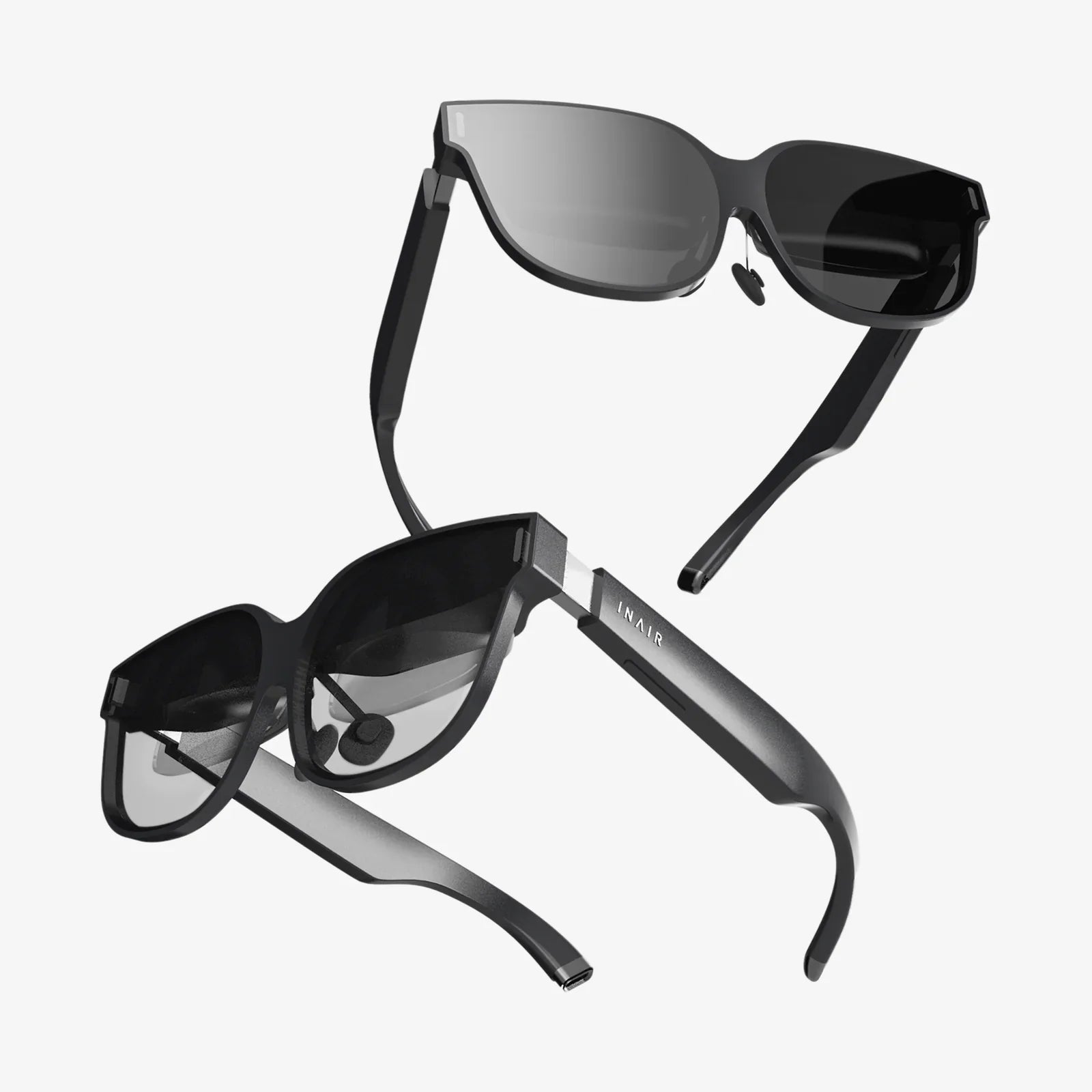
Ray beams glasses are eyewear specifically designed to manage and filter different types of light rays before they reach your eyes. Instead of being just a fashion accessory, they serve as a functional barrier between your eyes and the many forms of light that can cause strain, discomfort, or long-term damage.
These glasses can be prescription or non-prescription, clear or tinted, and can include multiple technologies in a single pair. Their core purpose is to selectively block, reflect, or absorb certain wavelengths while allowing useful, comfortable light to pass through.
To appreciate the value of ray beams glasses, it helps to understand the main categories of light that affect your eyes. Not all light is harmful, but some forms can be intense, disruptive, or damaging over time.
UV rays are invisible, high-energy rays from the sun. There are three main types:
Long-term, unprotected exposure to UVA and UVB rays is associated with cataracts, macular damage, and other eye conditions. Ray beams glasses that block 99–100% of UVA and UVB provide a critical layer of defense.
The visible spectrum includes all the colors you see, from red to violet. Within this range, blue light has become a major topic because of its intensity and abundance in modern life.
Excessive exposure to intense blue-violet light, especially in the evening, can contribute to eye strain and disrupt sleep. Many ray beams glasses are designed to selectively filter problematic blue wavelengths while preserving beneficial ones.
Infrared light is associated with heat. While it is less of a direct concern for the retina, intense infrared exposure can contribute to overall eye discomfort and dryness. Some specialized ray beams glasses incorporate coatings to reflect or reduce heat buildup on the eye surface.
Ray beams glasses use a combination of lens materials, surface treatments, and advanced coatings to manage light. The goal is not to block light entirely, but to shape and refine the light that reaches your eyes.
UV protection is one of the most important features of ray beams glasses. Lenses can be made from materials that inherently absorb UV, or they can be treated with UV-blocking coatings.
Consistent UV protection is crucial not only outdoors, but also when you are near windows or reflective surfaces like water, snow, or glass buildings.
Many ray beams glasses incorporate blue light filtering to reduce digital eye strain and support more comfortable screen use. These filters can be subtle or strong, depending on the lens design.
Blue light filtering is especially beneficial for people who spend long hours in front of computers, tablets, or phones, or who work under bright LED lighting.
Glare occurs when light reflects off flat surfaces like water, roads, or glass and enters your eyes in a concentrated, horizontal pattern. Polarized ray beams glasses use a special filter that blocks much of this reflected light.
By cutting glare, polarized lenses enhance contrast, sharpen details, and reduce the need to squint, which can also help prevent headaches.
Anti-reflective coatings are thin layers applied to lens surfaces to reduce reflections from both the front and back of the lens. These reflections can be distracting and cause light scatter, especially in low-light conditions or at night.
AR coatings also make lenses appear clearer to others, which can improve aesthetics in photos and face-to-face interactions.
Some ray beams glasses use photochromic technology, allowing lenses to darken in response to UV exposure and lighten indoors. This provides a dynamic response to changing light conditions.
Photochromic lenses are ideal for people who move frequently between indoor and outdoor environments and prefer a single pair of glasses for all conditions.
The material of the lens influences clarity, weight, durability, and safety. Different materials can also handle coatings and treatments differently.
Standard plastic lenses are lightweight and affordable. They offer good optical quality and can incorporate UV and blue light protection through coatings.
High-index lenses are designed to be thinner and lighter for stronger prescriptions. They bend light more efficiently, allowing the lens to be made with less material.
Polycarbonate and similar impact-resistant materials are popular for safety-focused ray beams glasses. They are highly durable and naturally block most UV rays.
Beyond the base lens material, coatings play a major role in how effective and comfortable ray beams glasses are in daily use.
Scratch-resistant coatings help protect lenses from everyday wear and tear. While no lens is completely scratch-proof, this coating significantly improves durability.
Hydrophobic coatings repel water, while oleophobic coatings repel oils and smudges. Together, they keep lenses cleaner for longer.
Mirror coatings reflect a portion of incoming light, reducing overall brightness and adding a distinctive reflective appearance to the lenses.
Choosing the right ray beams glasses depends heavily on how and where you use your eyes most. Different environments demand different combinations of features.
Modern work often involves extended screen time, artificial lighting, and long hours of focus. Ray beams glasses for work should prioritize comfort and clarity.
If you frequently shift focus between screens and documents, you might also benefit from lenses designed for intermediate distances, which can reduce the need to lean forward or hunch over your desk.
Gaming places intense demands on your visual system: fast motion, high contrast, and long sessions in front of bright displays. Ray beams glasses tailored for gaming can make a noticeable difference.
Some users find that warmer-tinted lenses enhance contrast and make details easier to see in darker game environments, helping with both performance and comfort.
Driving exposes your eyes to changing light conditions, glare from other vehicles, and reflections from road surfaces. Ray beams glasses designed for driving focus on clarity and contrast.
For night driving, clear lenses with high-quality anti-reflective coatings are often preferable, as heavily tinted lenses can reduce visibility in low light.
Outdoor enthusiasts face intense sunlight, reflections, and rapidly changing conditions. Ray beams glasses for outdoor use should be robust and versatile.
Depending on the sport, you might prefer wraparound frames that block side light and provide a more secure fit during movement.
Selecting ray beams glasses is not just about picking a style you like. A thoughtful approach ensures you get maximum protection and comfort.
Start by asking how you spend most of your day:
If you already wear prescription glasses, you can combine your vision correction with ray beams technology in a single pair. If your vision is clear without correction, non-prescription lenses with protective features are still worthwhile.
Even the most advanced lenses will not help if the glasses are uncomfortable or poorly fitted.
Lens color affects how you perceive contrast and brightness.
Choose a tint based on where you will wear the glasses most often and what visual qualities you value most.
Ray beams glasses are more than a visual accessory; they are a practical investment in your eye health and overall comfort.
By managing harsh light, glare, and excessive blue-violet exposure, ray beams glasses can make your eyes feel less tired at the end of the day.
Many people experience headaches triggered or worsened by bright lights, glare, or prolonged screen time. While glasses are not a cure-all, better light control can reduce one major source of discomfort.
UV exposure accumulates over a lifetime. Every hour you spend outdoors without protection adds to your overall risk of eye damage.
Evening exposure to intense blue light from screens can interfere with your natural sleep-wake rhythm. By filtering some of this light, ray beams glasses can support more natural signaling to your brain that it is time to wind down.
Proper care keeps your glasses performing at their best and extends their lifespan.
To avoid scratching or damaging coatings, clean your lenses the right way:
Avoid using paper towels, clothing, or harsh chemicals, as they can scratch lenses or degrade coatings over time.
When not in use, store your ray beams glasses in a protective case to prevent accidental damage.
Frames can loosen or shift with daily wear. Periodic adjustments help maintain comfort and ensure that lenses remain properly aligned with your eyes.
Misconceptions can make it harder to choose the right eyewear. Clarifying a few myths helps you make better decisions.
Lens darkness does not equal protection. Clear lenses can offer full UV and blue light filtering, while dark lenses without proper UV blocking can actually be worse, because they cause your pupils to dilate and let in more harmful rays.
Blue light is not inherently harmful. It plays a role in regulating your circadian rhythm and can help you feel alert during the day. The concern is overexposure to intense blue-violet light, especially late at night or at close distances. Ray beams glasses aim to manage, not eliminate, this part of the spectrum.
Modern indoor environments are filled with artificial light and digital screens. While sunlight is the strongest source of UV and visible light, indoor exposure to blue light and glare can still cause discomfort and strain. Ray beams glasses can be beneficial both indoors and outdoors.
Every year, people spend more time in front of screens, under artificial lights, and in environments where light is brighter and more intense than ever before. Ray beams glasses offer a practical, everyday way to manage this reality, giving your eyes a more comfortable, protected experience without requiring major lifestyle changes.
Whether you are working, gaming, driving, or exploring the outdoors, the right pair of ray beams glasses can transform how your eyes feel at the end of the day. Instead of accepting tired, strained vision as normal, you can choose lenses that filter the harshest rays, sharpen your view, and support your long-term eye health. If you have been wondering how to future-proof your vision in a world filled with glowing screens and relentless sunlight, exploring the possibilities of ray beams glasses is one of the smartest steps you can take today.