


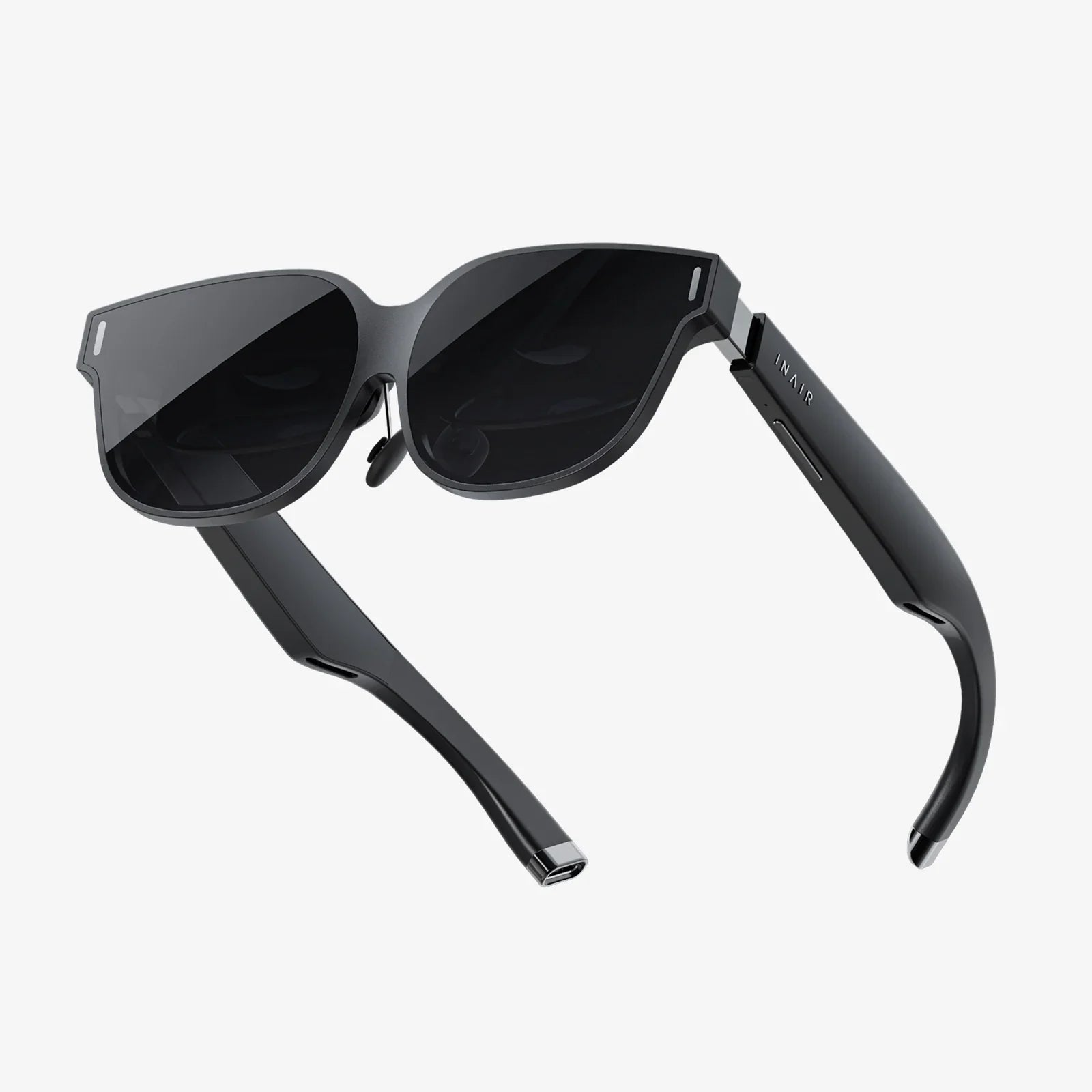
Imagine a world where the line between the digital and the physical doesn't just blur—it vanishes. A world where you can walk with dinosaurs, perform heart surgery from your living room, or sit across a table from a loved one who is continents away, feeling as if you are truly together. This is not the speculative fiction of a sci-fi novel; it is the imminent future promised by the advent of the real virtual reality system. This technology represents a fundamental shift in human-computer interaction, a leap from simply observing digital content to truly inhabiting it. We are standing on the precipice of a new reality, and the view is breathtaking.
The Anatomy of Presence: Core Components of a Real VR System
A real virtual reality system is not defined by a single gadget but by a sophisticated symphony of hardware and software working in perfect harmony to fool the human senses into accepting a digital world as real. The pursuit of this “presence”—the undeniable feeling of being there—is the ultimate goal.
Visual Fidelity: The Window to Another World
The human eye is a remarkably precise instrument, and any flaw in the visual presentation can instantly shatter the illusion of reality. A real VR system must overcome significant hurdles:
- Resolution and Pixel Density: Screens must achieve incredibly high resolutions, often referred to as “retina” quality in VR, where the human eye can no longer distinguish individual pixels, eliminating the “screen door effect.”
- Field of View (FoV): A natural human FoV is roughly 220 degrees. Current systems often fall short, but a real system must approach this range to prevent the feeling of looking through binoculars and to enhance peripheral immersion.
- Refresh Rate and Low Latency: To prevent motion sickness and ensure visual continuity, the display must update incredibly fast (90Hz and above) with imperceptible latency between a user’s movement and the corresponding change on screen. Any delay creates a dissonance that the brain immediately rejects.
Auditory Immersion: The Sound of Reality
Sound is arguably as important as sight for crafting a believable reality. 3D spatial audio is a critical component. Unlike stereo sound, which pans left and right, spatial audio simulates how sound waves interact with the human head and ears, allowing users to pinpoint the exact location of a sound source—be it a whisper from behind or the roar of a waterfall above. This auditory cue is vital for grounding a user in the virtual space and providing subconscious information about their environment.
Haptic Feedback and Tactile Precision
To move beyond a visual and auditory experience and into a truly tactile one, haptic technology is paramount. This goes beyond simple controller vibrations. A real VR system incorporates:
- Force Feedback: Gloves and suits that can simulate resistance, allowing a user to “feel” the weight and texture of a virtual object.
- Touch Simulation: Advanced actuators can mimic the sensation of touching different materials, from the rough bark of a tree to the smooth surface of glass.
- Environmental Feedback: Systems that can simulate wind, heat, or even the spray of water, engaging the somatic senses to complete the illusion.
Precise Tracking and Natural Movement
For a user to feel embodied within a virtual space, their movements must be translated perfectly and instantly. This requires:
- Inside-Out Tracking: Using cameras and sensors on the headset itself to map the physical room and track movement within it, eliminating the need for external base stations and allowing for greater freedom.
- Eye-Tracking: This not only allows for more intuitive interfaces (selecting items with a glance) but also enables foveated rendering, a technique where the system renders only the area where the user is looking in full detail, drastically reducing the computational power required.
- Full-Body Avatars: Tracking that extends beyond the hands and head to encompass the entire body, allowing for a digital representation that moves exactly as the user does, enabling natural walking, crouching, and gesturing.
Beyond the Game: Transformative Applications of Real VR
While gaming is the most visible application, the potential of a real virtual reality system to revolutionize other fields is staggering.
Revolutionizing Education and Training
Imagine medical students performing intricate virtual dissections or practicing complex surgical procedures on hyper-realistic patients without risk. Engineers could walk through and interact with 3D models of their designs before a single physical component is built. History students could witness historical events unfold around them, transforming lessons from memorization into lived experience. This “learning by doing” in a safe, repeatable, and cost-effective environment is perhaps one of the most powerful use cases for this technology.
The Future of Remote Work and Collaboration
The concept of the office is being redefined. A real VR system can create shared virtual workspaces where colleagues from across the globe can collaborate as if they are in the same room. They can interact with 3D data models, brainstorm on virtual whiteboards, and read non-verbal cues through realistic avatars, fostering a level of connection and productivity that video conferencing simply cannot match. This has profound implications for reducing carbon footprints, decentralizing talent, and creating more flexible work environments.
Healthcare and Therapeutic Breakthroughs
Therapeutic applications are already showing remarkable results. VR exposure therapy is effectively treating PTSD, phobias, and anxiety disorders by allowing patients to confront their triggers in a controlled, safe environment. Physical therapists are using VR to create engaging rehabilitation exercises for stroke victims and patients with mobility issues. Furthermore, these systems can offer cognitive stimulation for the elderly and provide immersive distractions for patients undergoing painful treatments.
The Human Factor: Societal and Ethical Implications
With such transformative power comes a host of complex questions that society must grapple with.
The Privacy Paradox in a Simulated World
A real VR system is a data collection powerhouse. It can track not just your movements and choices, but your gaze, your physiological responses (heart rate, pupil dilation), and your unconscious reactions. This biometric data is incredibly sensitive. Who owns this data? How is it used? The potential for surveillance and manipulation is unprecedented, demanding robust ethical frameworks and regulations far beyond what exists today for social media.
The Psychological Impact and Reality Blur
As these worlds become more compelling, what are the psychological effects of spending significant time in them? Issues of addiction, dissociation from physical reality, and the “Proteus Effect”—where behavior changes based on one's virtual appearance—are real concerns. Furthermore, experiencing hyper-realistic traumatic events, even virtually, could have unknown psychological consequences. Establishing digital wellness practices and understanding the long-term cognitive impact will be crucial.
Economic Disruption and the Digital Divide
The creation of persistent virtual economies, where people work, socialize, and own digital assets, could disrupt traditional job markets and economic models. Simultaneously, there is a grave risk of a new “digital divide” emerging—one between those who can afford access to these rich, empowering virtual worlds and those who cannot, potentially exacerbating existing social and economic inequalities.
The Road Ahead: From Prototype to Paradigm Shift
The journey to a perfect, ubiquitous real virtual reality system is still underway. Key challenges remain, such as creating smaller, more comfortable form factors, solving the “vergence-accommodation conflict” (a visual discrepancy that can cause eye strain), and, most importantly, making the technology affordable and accessible. The development of the “metaverse,” a collective virtual shared space, is intrinsically linked to the advancement of these systems. However, for it to succeed, it must be built on open standards and interoperability, avoiding the walled gardens of today's internet.
The promise of a real virtual reality system is nothing short of a new layer of human existence. It is a tool that can expand our horizons, deepen our understanding, and connect us in ways we have only dreamed of. It challenges our very definitions of reality, presence, and experience. The technology is racing forward, and its integration into our daily lives is not a matter of if, but when. The question that remains is not about the capability of the technology itself, but about our collective wisdom in wielding it. We have the opportunity to build a future that is more empathetic, knowledgeable, and connected—if we navigate this new frontier with careful thought, unwavering ethics, and a focus on elevating humanity. The door to countless new worlds is beginning to open, and the first step through is one we will all take together.
Share:
AR Glass Fiber Roving: The Unsung Hero of Modern Composite Materials
Future Computer Technology 2050: The Invisible Revolution Reshaping Humanity