


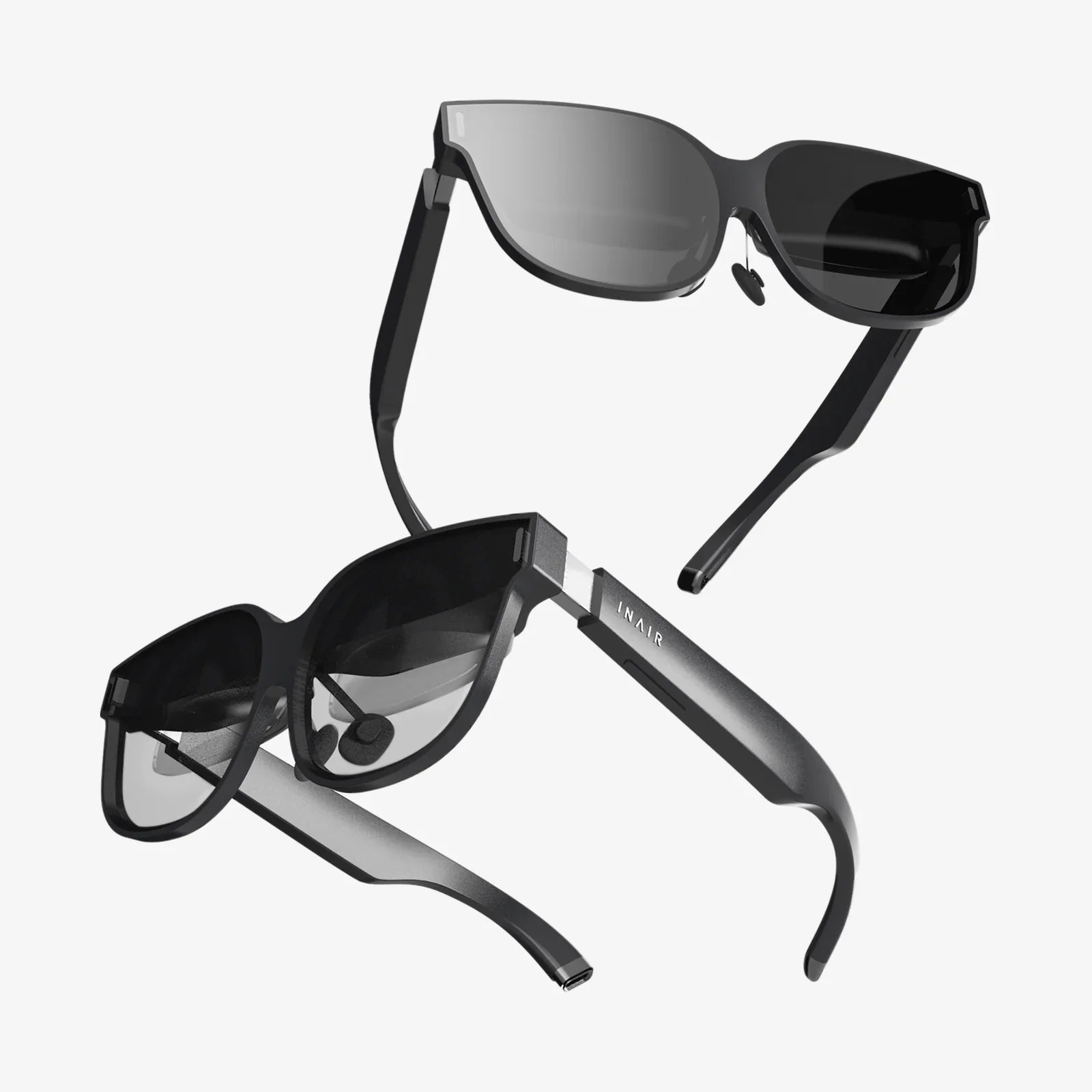
- by wangfred
Real VR: The Future of Immersion is Here and It's Reshaping Our World
- by wangfred
Imagine stepping through a portal, not into a flat screen, but into a world that breathes, reacts, and feels as tangible as your own. The hum of a virtual city surrounds you, the digital breeze feels cool against your skin, and a sense of genuine presence washes over you—this is the promise of real VR. It’s a phrase tossed around in tech circles, but its true meaning signifies a fundamental shift from simply viewing a simulation to truly inhabiting it. This isn't about a peripheral gadget; it's about the dawn of a new medium, one with the power to redefine human connection, revolutionize entire industries, and challenge our very perception of reality. The journey to this point has been decades in the making, and the destination is more transformative than we ever imagined.
The concept of virtual reality is far from new. Its roots can be traced back to the 19th-century stereoscope, which offered a glimpse into a three-dimensional image. However, the modern pursuit of real VR began in earnest with the pioneering work of individuals in the mid-20th century. The Sensorama machine, created in the 1950s, was a monumental, if cumbersome, attempt to engage multiple senses, offering not just visuals but also sound, wind, and even smell. This was a crucial early recognition that true immersion required more than just sight.
The 1980s and 90s saw the term "Virtual Reality" enter the popular lexicon, fueled by sci-fi films and the first commercial headsets. These early systems were primitive by today's standards—bulky, low-resolution, and plagued by laggy tracking that often induced nausea rather than awe. They were proof-of-concepts, demonstrating potential but falling far short of delivering a convincing experience. For decades, VR remained a niche pursuit, a classic case of the technology not yet being ready for the grand vision it promised.
The turning point arrived in the 2010s, catalyzed by a perfect storm of technological advancement. The smartphone industry, in its relentless innovation, inadvertently solved VR's biggest hardware challenges. It mass-produced the essential components: high-density, low-persistence displays, precise miniature motion sensors, and powerful, compact processors. This availability of consumer-grade, high-performance components finally made it feasible to create headsets that were both effective and accessible. The launch of modern PC-powered and standalone headsets marked the true beginning of the era of real VR. It was no longer a clunky tech demo; it was a seamless, responsive, and deeply engaging window into another existence.
So, what separates real VR from its predecessors? The ultimate goal is a psychological state known as "presence"—the undeniable, subconscious feeling of being in a place other than your physical location. Achieving this elusive state relies on several interconnected technological pillars working in harmony.
The human eye is a remarkably sensitive organ, and any flaw in the visual presentation can shatter immersion. Real VR requires high-resolution displays with a high pixel-per-degree density to eliminate the "screen door effect," where users can see the gaps between pixels. Furthermore, a wide field of view is critical. Early headsets felt like looking through binoculars, constantly reminding the user of the headset's confines. Modern systems are pushing for fields of view that more closely match our natural sight, pulling us deeper into the virtual world.
Perhaps the most crucial element is tracking. For the brain to be convinced, the virtual world must respond to our movements with imperceptible delay. This requires both head tracking (using a combination of gyroscopes, accelerometers, and external or internal cameras) and controller tracking for our hands. Latency—the delay between moving your head and the image updating—must be kept to an absolute minimum, ideally under 20 milliseconds. Any lag creates a disconnect between the inner ear's sense of motion and what the eyes see, which is a primary cause of simulator sickness. Real VR has largely conquered this through inside-out tracking and advanced prediction algorithms.
Immersion is a multi-sensory experience. Spatialized 3D audio is non-negotiable; a sound must accurately seem to come from behind, above, or to the side of the user based on their head position. This auditory cue is incredibly powerful for selling the reality of a space. On the horizon, haptic feedback is evolving beyond simple controller rumble. Advanced vests, gloves, and even full-body suits are emerging that can simulate the touch of rain, the impact of a punch, or the texture of a virtual object, adding a profound new layer of tactile sensation to the experience.
While entertainment is the most visible application, the impact of real VR is already being felt across a vast spectrum of professional fields, demonstrating its value far beyond gaming.
Real VR offers the ultimate learning tool: experiential education. Instead of reading about ancient Rome, students can walk its streets. Medical students can practice complex surgical procedures on virtual patients, making mistakes without consequence. Engineers can assemble and disassemble intricate machinery models. Corporate training programs use VR to simulate high-pressure scenarios, from public speaking to handling difficult customer interactions. This "learn by doing" model in a safe, repeatable, and controlled environment dramatically improves knowledge retention and skill acquisition.
For architects and designers, real VR is a revolutionary prototyping tool. Clients can no longer just see a building from a set of blueprints or a flat render; they can step inside it at a 1:1 scale before a single brick is laid. They can experience the flow of space, the quality of light at different times of day, and get a genuine feel for the design. This allows for feedback and modifications at a stage where changes are still easy and inexpensive to make, saving immense time and resources.
The therapeutic potential of real VR is staggering. It is being successfully used to treat phobias (like fear of heights or flying) through controlled, gradual exposure therapy. It helps with pain management for burn victims by distracting the brain with immersive experiences. It's also a powerful tool for physical rehabilitation, turning repetitive exercises into engaging games that motivate patients to complete their regimens. For patients with mobility issues or those in remote areas, VR can provide access to environments and experiences otherwise unavailable to them, combating isolation and improving mental well-being.
The global shift to remote work has highlighted the limitations of video conferencing. Real VR promises the next evolution: the virtual office. Colleagues from across the globe can meet as lifelike avatars in a shared digital space, interacting with 3D models, whiteboards, and data visualizations as if they were physically present. This sense of shared presence fosters a much stronger connection and facilitates more natural and productive collaboration than a grid of faces on a screen ever could.
The current state of real VR is impressive, but it is merely the foundation. The next decade will see advancements that blur the line between real and virtual even further.
Eye-tracking technology is poised to be a game-changer. It will enable Foveated Rendering, where the system renders only the area where the user is looking in full detail, drastically reducing the computational power required and allowing for even higher fidelity graphics. Beyond efficiency, eye-tracking unlocks new levels of social presence; avatars that can make natural eye contact convey emotion and intention in a way that is currently impossible.
Similarly, facial tracking will capture our expressions and map them onto our digital selves, allowing for nuanced, non-verbal communication. The combination of these technologies will make interactions in VR feel genuinely human. Furthermore, we are moving towards more natural input methods. The controllers of today will eventually give way to sophisticated gloves that allow us to use our bare hands to manipulate virtual objects with dexterity and precision, making interactions feel completely intuitive.
On the distant horizon, research into Brain-Computer Interfaces (BCIs) suggests a future where we could control virtual environments with our thoughts alone, potentially even receiving simulated sensory feedback directly to the brain. This represents the ultimate frontier of real VR—a complete neural immersion.
With such transformative power comes profound responsibility. The development of real VR is not without its challenges and ethical dilemmas. Issues of data privacy are paramount; these systems collect incredibly detailed biometric data, from our movements and gaze to our physiological responses. Who owns this data, and how is it protected?
The potential for addiction is also a serious concern. If a virtual world becomes more appealing than the real one for some individuals, what are the psychological and social consequences? Furthermore, the concept of reality itself may become malleable. As experiences become indistinguishable from real life, we must grapple with questions of authenticity, misinformation, and the potential for hyper-realistic simulations to be used for manipulation.
Establishing clear ethical guidelines, robust security protocols, and fostering digital literacy will be just as important as the technological breakthroughs themselves. The goal must be to harness the incredible potential of real VR while proactively mitigating its risks, ensuring it becomes a tool that enhances humanity rather than diminishing it.
The door to these virtual worlds is now open, and there's no turning back. Real VR has evolved from a speculative dream into a powerful, tangible technology that is already changing how we learn, work, heal, and play. It challenges us to expand our definition of experience and connection. The virtual realm is no longer an escape from reality, but a new layer of it, ripe with possibilities waiting to be explored. The next great adventure isn't out there in the physical world; it's waiting for you, just behind the headset.
Share:
Digital Content Market: Navigating the Multi-Trillion Dollar Ecosystem Reshaping Global Media
VR Benchmark: The Ultimate Guide to Measuring and Understanding Virtual Reality Performance