


- by wangfred
Recording Glasses For Everyday Life, Work, And Creative Storytelling
- by wangfred
Recording glasses are quietly reshaping how people capture memories, document important moments, and tell visual stories, and the most surprising part is how natural they feel once you start using them. Instead of fumbling for a phone or camera when something interesting happens, you simply look, live the moment, and let the glasses do the work. That unique blend of freedom, immersion, and hands-free convenience is exactly why so many creators, professionals, and everyday users are starting to pay attention to this emerging technology.
At their core, recording glasses are wearable devices that integrate a small camera into a pair of eyewear frames, allowing you to record video, capture photos, and sometimes even stream content in real time. What makes them so compelling is the perspective they provide: a true first-person point of view that mirrors what you actually see. For content creators, that means more immersive footage. For professionals, that means more accurate documentation. For everyday users, that means an easier way to hold onto memories without interrupting the experience.
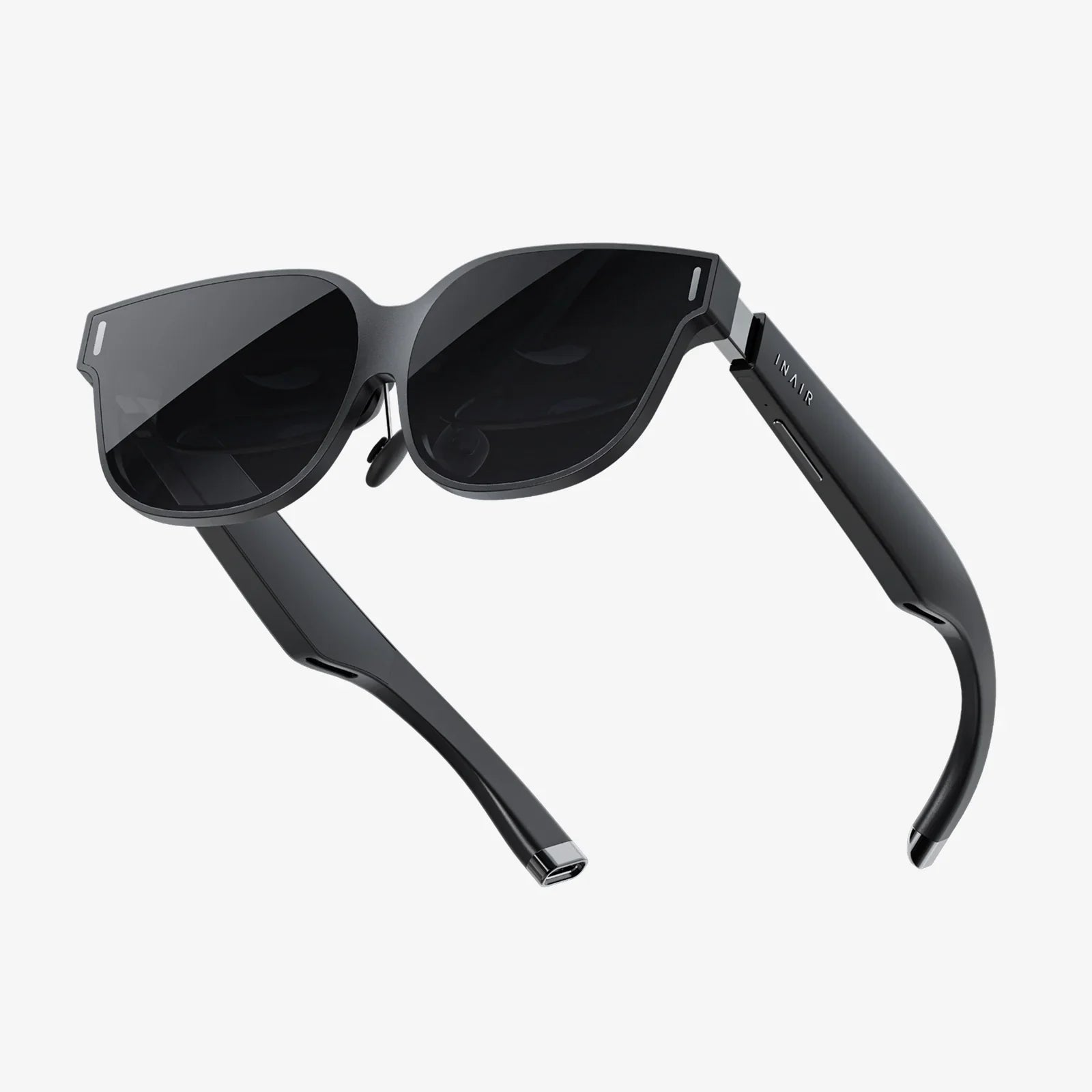
Recording glasses combine familiar eyewear design with compact imaging technology. While designs vary, most models share a few basic components:
Most recording glasses are designed to be as discreet as possible. The camera lens is usually placed at the front of the frame, often near the bridge, so that the captured footage closely matches your line of sight. Some models focus on casual use and style, while others prioritize durability, extended recording time, or advanced features like stabilization.
To use them, you typically power them on, press a dedicated recording button, or use a specific gesture or voice command. The glasses then record footage to internal storage or a memory card, which can later be transferred to a phone, tablet, or computer. Some devices allow live streaming or instant sharing through a companion app, creating a direct bridge between what you see and what your audience sees.
Not all recording glasses are created equal. Depending on whether you are an athlete, a traveler, a professional, or a casual user, certain features will matter more than others. When comparing options, it helps to focus on a few core aspects.
Video resolution directly affects how sharp and detailed your footage looks. Common resolutions include:
Beyond resolution, consider frame rate. Higher frame rates provide smoother motion, which is especially important for action shots, sports, or fast-paced environments. Look for features like automatic exposure, decent low-light performance, and wide dynamic range if you plan to record in varied lighting conditions.
Video without clear audio feels incomplete. Microphone quality can vary significantly between models. Some recording glasses include noise reduction or directional microphones to better capture your voice while reducing background noise. If you plan to narrate what you are seeing, record interviews, or capture ambient sound, pay close attention to microphone placement and any sound-enhancing features.
Battery life is one of the biggest practical limitations of recording glasses. Since the battery is usually small and built into the frame, it can only support a limited amount of continuous recording. Typical recording times range from under an hour to several hours, depending on resolution, features, and usage patterns.
If you intend to record long events, such as conferences, full-day adventures, or extended training sessions, look for models that either offer longer battery life, quick charging, or the ability to record in shorter bursts throughout the day. Some users carry portable chargers and top up during breaks to extend overall usage.
Storage determines how much video and how many photos you can keep before needing to transfer or delete files. Some recording glasses have fixed internal storage, while others support removable memory cards. Higher resolutions and longer clips consume more space, so consider how you plan to use your glasses:
Efficient file management also matters. A good companion app or easy connection to your computer can save time and help you keep your footage organized and accessible.
Because recording glasses are worn on your face, comfort is critical. Heavy or poorly balanced frames can cause pressure on your nose or behind your ears, especially during extended use. Consider:
Style also plays a role. Some recording glasses are designed to look like everyday eyewear, making them easier to wear in public without drawing attention. Others have a more sporty or tech-focused appearance, which might be ideal for outdoor activities but less suitable in formal settings.
Recording glasses should be intuitive enough to operate without constant fiddling. Common control methods include:
Connectivity features such as Bluetooth and Wi-Fi enable quick pairing with smartphones or other devices. Through companion apps, you can often:
For many users, the ability to review and edit footage on a phone right after recording is one of the most satisfying parts of the experience.
What makes recording glasses so versatile is how seamlessly they fit into different scenarios. From outdoor adventures to professional workflows, the hands-free perspective opens up creative and practical possibilities.
Travelers and outdoor enthusiasts often use recording glasses to capture:
Because your hands remain free, you can climb, carry bags, or handle gear without worrying about holding a camera. This makes the footage feel more natural and immersive, as if viewers are seeing the world through your eyes.
Even in everyday life, recording glasses can be used to capture small, meaningful moments that might otherwise be missed: a child’s reaction to a surprise, a pet’s antics, or a beautiful sunset during a walk. The more casually you can record, the more authentic your captured memories tend to be.
For content creators, recording glasses offer a powerful way to produce unique videos without complex setups. Common use cases include:
The natural perspective can make viewers feel more connected to the creator, especially when combined with narration or commentary. Instead of constantly repositioning a camera, creators can focus on the task at hand while still delivering engaging visuals.
Athletes and coaches can benefit from recording glasses in several ways:
Seeing exactly what the athlete sees can reveal timing, positioning, and decision-making patterns that are not always obvious from external cameras. This can be especially valuable in sports that require quick reactions, spatial awareness, or precise coordination.
Recording glasses are also gaining traction in professional environments, particularly where hands-free documentation is valuable. Examples include:
By recording what they see, professionals can create accurate visual records, demonstrate procedures, or receive remote assistance. This can improve training outcomes, reduce errors, and streamline communication between on-site personnel and off-site experts.
Educators and trainers can use recording glasses to create learning materials that feel more immersive and practical. For example:
First-person recordings help learners understand not just what to do, but how to sequence actions and what to pay attention to in real time.
As compelling as recording glasses are, they raise important questions about privacy and responsible use. Because the camera is often discreet, people around you may not realize they are being recorded. This makes it essential to use the technology with care and respect.
Whenever you record in public or shared spaces, think about how your actions might affect others. Some key guidelines include:
Being transparent not only protects others but also builds trust and avoids misunderstandings. If someone expresses discomfort about being recorded, it is wise to stop or adjust your framing.
Laws about recording vary by country and region. Some places allow recording in public spaces without consent, while others have stricter rules, especially regarding audio capture. In certain environments, such as workplaces, schools, or private properties, specific policies may govern whether recording is allowed at all.
Before using recording glasses in sensitive locations, familiarize yourself with relevant regulations. This is particularly important if you plan to use recordings for professional purposes, publish them online, or include other people in your footage.
Once you have recorded footage, the way you store and share it matters. Consider the following best practices:
Taking these steps helps protect both your privacy and the privacy of those around you, while also preserving valuable content safely.
Even the best recording glasses will only shine if you use them thoughtfully. A few practical habits can dramatically improve the quality of your footage and the ease of your workflow.
While spontaneous moments are part of the appeal, planning ahead can make your recordings more effective. Think about:
By having a clear purpose, you avoid filling your storage with unnecessary footage and reduce the risk of missing the moments that matter most.
Because the camera follows your head, your natural movements influence how the footage looks. Quick or jerky motions can make videos hard to watch. To improve your results:
Over time, you will develop a feel for how to look around in a way that feels natural in person but stable on camera.
Lighting dramatically affects video quality. Recording glasses tend to perform best in well-lit environments. To get better results:
In low light, footage may appear grainy or blurry. Shorter clips and slower movements can help maintain clarity when lighting is less than ideal.
Environmental noise can easily overpower your voice or important sounds. To improve audio quality:
If audio is essential for your work, consider combining footage from your recording glasses with audio recorded on a separate device, then syncing them during editing.
Recording glasses can generate a large number of short clips, especially if you use them frequently. Without a system, it quickly becomes difficult to find specific moments. A simple workflow might include:
Even minimal editing can make a big difference, turning raw recordings into polished content ready for sharing or archiving.
Like any piece of tech you wear regularly, recording glasses benefit from proper care. Good maintenance helps preserve image quality, comfort, and reliability over time.
Smudged lenses or a dirty camera lens will ruin even the most carefully planned shot. To keep them clean:
A clear lens means sharper images and fewer distractions in your footage.
Recording glasses house sensitive electronics within a relatively small and exposed structure. To prolong their life:
Simple habits like these can prevent costly damage and ensure consistent performance.
Battery health influences how long your recording glasses remain useful. Good charging practices include:
Over time, all batteries degrade, but thoughtful use can slow the process and extend the practical lifespan of your device.
Recording glasses sit at the intersection of wearable technology, imaging, and everyday life, and their capabilities are expanding quickly. As components become smaller and more efficient, new features are beginning to appear that could change how people use them.
Some promising directions include:
As these features mature, recording glasses may become as common as smartphones for certain types of documentation and storytelling. The ability to capture life from your own perspective, without distraction, taps into something deeply human: the desire to remember, share, and understand the moments that shape our lives.
For anyone curious about stepping into this world, recording glasses offer a rare combination of practicality and creative potential. They let you stay fully engaged in the moment while quietly preserving it, turning your everyday experiences into a library of lived perspectives that you can revisit, refine, and share whenever you choose.
Share:
Screen Glasses And The Digital Age: Do You Really Need Them?
Screen Glasses And The Digital Age: Do You Really Need Them?