


- by wangfred
Remote Assistance Using AR: The Dawn of a New Era in Collaborative Problem-Solving
- by wangfred
Imagine a world where a top engineer in Tokyo can see exactly what a technician in Texas sees, reach into their field of view, and draw a perfect circle around a faulty component, guiding their hand with virtual precision. This is no longer the stuff of science fiction. The convergence of high-speed connectivity, powerful mobile computing, and sophisticated software has birthed a revolutionary tool: remote assistance using augmented reality. This technology is shattering the traditional barriers of distance, expertise, and time, creating a new paradigm for collaboration and problem-solving that promises to transform industries, redefine customer service, and empower workers with superhuman capabilities.
At its core, remote assistance using AR is a sophisticated communication platform, but to call it just a video call would be like calling the internet a fancy telegraph. The system is a complex interplay of hardware and software designed to create a shared, annotated, and context-rich reality between a remote expert and an on-site user.
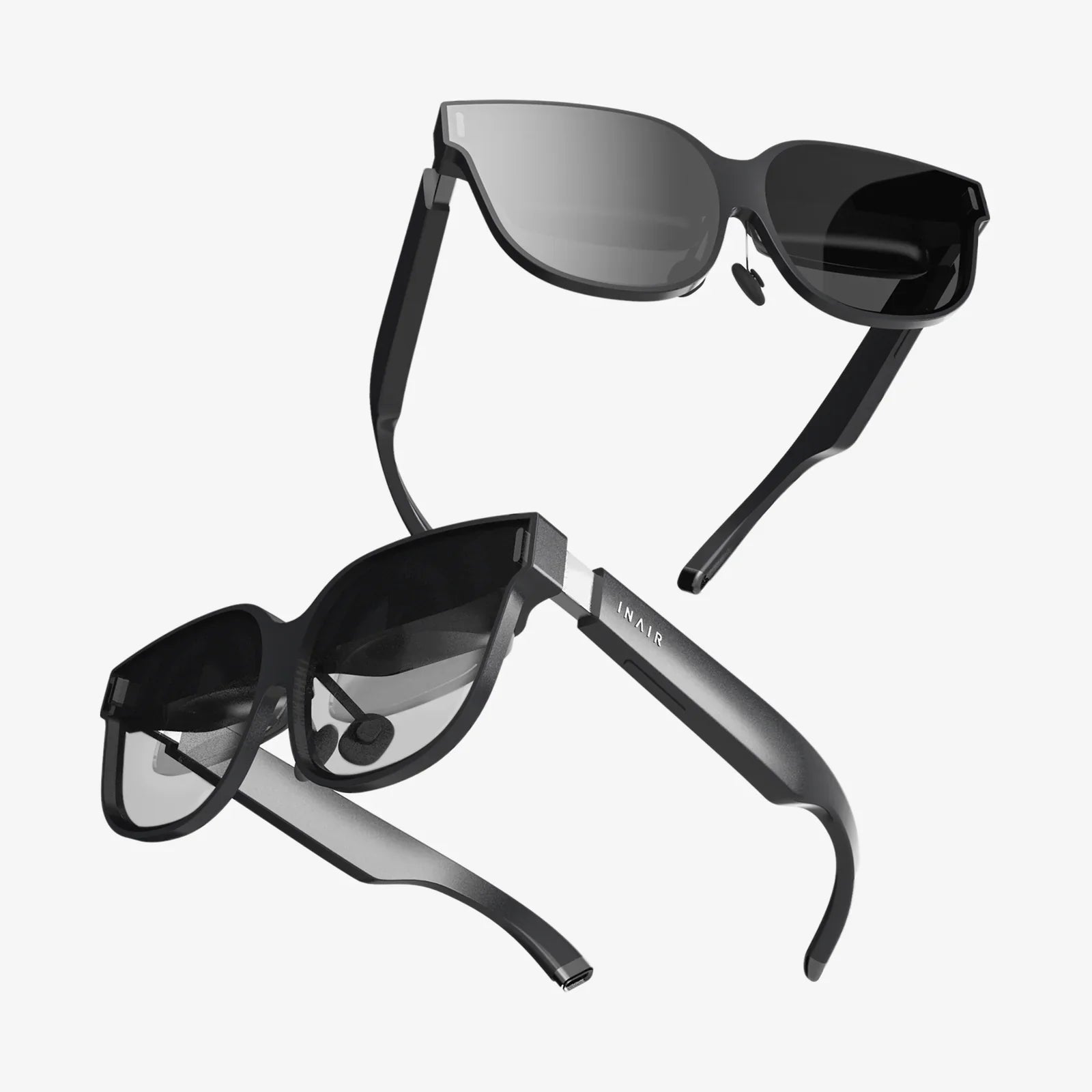
The experience is enabled by a range of devices. For many industrial applications, ruggedized smart glasses are the preferred tool, leaving the user's hands completely free. These headsets are equipped with high-resolution cameras, microphones, speakers, and sensors like accelerometers and gyroscopes to understand their position in space. For less demanding or more consumer-focused tasks, standard tablets and smartphones leverage their built-in capabilities to become powerful AR viewfinders. The remote expert typically operates from a desktop or laptop interface, which gives them a live view from the user's device and a robust toolkit for interaction.
The magic happens in the software. Powerful applications facilitate a stable, low-latency connection between the two parties. But the key differentiator is the AR overlay functionality. Using computer vision, the software can sometimes recognize objects and surfaces in the user's environment. This allows the expert to:
The applications for this technology are vast and are already delivering tangible value across the global economy.
This is where remote assistance using AR has found its most powerful and immediate use case. Complex machinery on factory floors, in energy plants, and on construction sites requires specialized knowledge to maintain and repair. Often, the one person with the specific expertise needed is thousands of miles away. Traditionally, this meant expensive delays, travel costs, and downtime waiting for the expert to arrive. Now, a frontline worker equipped with AR glasses can connect instantly. The expert sees the problem firsthand, guides the worker through complex procedures with precise visual cues, and can sign off on repairs immediately. This slashes mean time to repair (MTTR), reduces travel costs by up to 50%, and empowers less experienced technicians to perform advanced tasks with confidence.
In the medical field, the stakes are immeasurably high. AR remote assistance is emerging as a critical tool for telemedicine and surgical collaboration. A seasoned surgeon in a major metropolitan hospital can guide a less experienced colleague in a rural clinic through a complex procedure. The remote expert can see the operative field through the on-site surgeon's glasses, annotate specific anatomy, and point out critical structures in real-time. This facilitates knowledge transfer and can improve patient outcomes by providing access to world-class expertise anywhere, anytime. It is also used for training medical students, allowing them to see a procedure from the surgeon's perspective without crowding the operating room.
From elevator repair to HVAC installation, field service technicians encounter a dizzying array of models and problems. It's impossible for any one person to know everything. With AR, a technician facing an unfamiliar system can call a central support hub. The remote expert can identify the model using the camera, pull up the exact relevant manual, and guide the technician's hands. This drastically improves first-time fix rates, enhances customer satisfaction, and reduces the need for repeat visits. The technician becomes a conduit for the entire organization's collective knowledge.
Imagine trying to explain a problem with your home internet router over the phone. The conversation is fraught with misunderstandings. Now imagine opening an app on your phone, pointing it at the router, and having a support agent draw a giant arrow on your screen pointing to the exact cable you need to check. This intuitive, visual form of support reduces frustration, shortens call times, and empowers customers to solve their own problems with gentle, visual guidance.
Despite its immense potential, the widespread adoption of AR remote assistance faces several significant challenges that must be navigated.
The entire system is predicated on a stable, high-bandwidth, low-latency internet connection. A lag of even a few seconds can make annotations misaligned and dangerous in a technical context. In remote industrial sites, oil rigs, or rural areas, this connectivity cannot be taken for granted. The evolution of 5G and satellite internet promises to alleviate this, but it remains a primary constraint.
A live video feed from inside a factory, a hospital, or a customer's home is incredibly sensitive data. Companies must implement enterprise-grade encryption for data both in transit and at rest. Access controls, secure user authentication, and compliance with regulations like GDPR and HIPAA are non-negotiable. A breach could expose proprietary industrial processes or private personal information.
The technology must be intuitive. If the headset is uncomfortable, the software is clunky, or the annotations are distracting, workers will reject it. Successful implementation requires careful change management, demonstrating clear value, and extensive training. The goal is to augment the human worker, not complicate their job.
High-end AR hardware and the software platforms that power them represent a significant investment. For smaller businesses, the cost can be prohibitive. As the technology matures and competition increases, prices are expected to fall, making it more accessible to organizations of all sizes.
The technology we see today is merely the first step. The future of remote assistance using AR is even more integrated and intelligent. We are moving towards systems where artificial intelligence plays a central role. Imagine an AI assistant that can automatically diagnose a problem by analyzing the video feed, highlight the tools needed for a repair, and even pre-emptively connect the user with the correct expert. The integration of the Internet of Things (IoT) will allow AR systems to pull real-time performance data directly from machines, overlaying temperature readings, pressure levels, or error codes directly onto the physical equipment. Furthermore, advancements in haptic feedback could one day allow a remote expert to guide a user's hand with subtle vibrations, adding a tactile layer to visual guidance.
The potential is limitless. We are moving beyond simple remote support and towards the creation of a collaborative layer over our entire world—a digital tapestry of knowledge, guidance, and shared perception. Remote assistance using AR is not just a better way to fix a machine; it is fundamentally reshaping how we connect human intelligence across the vast digital landscape, ensuring that the right knowledge is in the right place at the right time, every time. This is the promise of a truly augmented workforce, and it’s a future that is already unfolding before our eyes.