


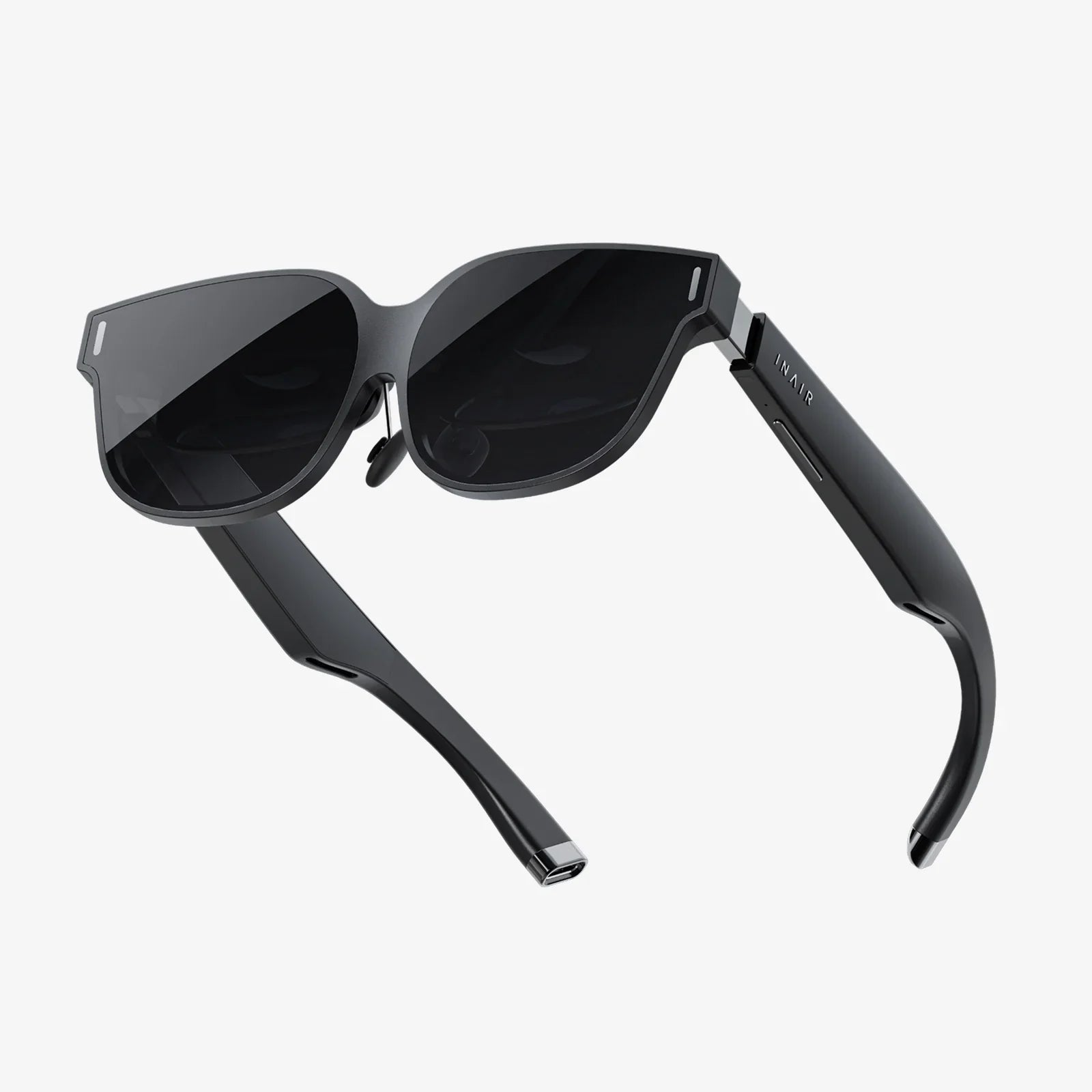
Imagine stepping onto a bustling construction site or into a loud manufacturing plant, where the deafening roar of machinery is a constant companion. Now, imagine being able to silence that chaos with the press of a button, replacing it with crystal-clear communication, a calming podcast, or an energizing playlist, all while your eyes remain shielded from flying debris, sparks, and harmful UV light. This is not a glimpse into a distant future; it is the reality made possible by the groundbreaking convergence of two essential pieces of gear: safety glasses headphones. This innovative fusion is rapidly becoming a cornerstone of modern personal protective equipment (PPE), addressing the critical needs of hearing conservation and eye safety in a single, streamlined, and intelligent device. For millions of workers in industrial, construction, and laboratory settings, this technology represents a monumental leap forward, blending essential protection with enhanced productivity and personal comfort.
The Genesis of a Dual-Purpose Solution
The journey toward integrated safety gear is a story of necessity breeding innovation. For decades, workers in high-risk environments have been required to wear two separate, often cumbersome, pieces of equipment: ANSI-approved safety glasses to protect their vision and dedicated hearing protection, which could range from simple foam earplugs to large, over-the-ear mufflers. While effective in their primary roles, this combination presented several significant challenges.
First was the issue of comfort and wearability. Wearing bulky earmuffs over the arms of safety glasses often created pressure points on the temples and behind the ears, leading to headaches and fatigue over long shifts. Workers would frequently remove one or both pieces for temporary relief, inadvertently exposing themselves to potential injury during those unguarded moments.
Second was the problem of isolation. Traditional hearing protection muffles all sound, including important environmental cues and human speech. This auditory isolation can be dangerous, preventing workers from hearing warning shouts, equipment malfunctions, or approaching vehicles. It also hinders communication, forcing teams to remove their protection to talk, again creating a window of vulnerability.
The evolution of Bluetooth technology and miniature speakers provided the key to solving these problems. Engineers and safety equipment designers saw an opportunity to embed audio capabilities directly into the structure of safety glasses. By integrating slim speakers into the temple arms and connecting them via Bluetooth to a smartphone or two-way radio, they created a device that could do more than just protect—it could connect, inform, and entertain.
Deconstructing the Technology: How They Work
At their core, safety glasses headphones are a marvel of miniaturization and smart design. They are not merely safety glasses with headphones clumsily attached; they are a fully integrated system where every component is purpose-built to work in harmony.
The Foundation: ANSI-Z87.1 Certified Safety Frames
The foundation is a robust pair of safety glasses frames. These are constructed from durable materials like polycarbonate or Grilamid, known for their high impact resistance, flexibility, and light weight. To meet stringent safety standards, the lenses must be able to withstand a variety of hazards, including high-mass impact (from large objects) and high-velocity impact (from small particles). Many models feature wraparound designs for superior peripheral protection and side shields to prevent particles from entering from the sides. The lenses are also treated to resist scratching and often include anti-fog coatings to maintain clear vision in humid or rapidly changing temperatures. Crucially, the frames are designed to accommodate the electronic components without compromising their structural integrity or protective qualities.
The Audio System: Bone Conduction vs. Open-Ear Speakers
This is where the true innovation lies. There are two primary methods for delivering audio while leaving the ear canal open:
- Bone Conduction Technology: Some models utilize bone conduction transducers. These small components sit on the temple arms and rest gently against the skull just in front of the ears. Instead of playing sound through the air into the eardrum, they send subtle vibrations through the bones of the skull directly to the cochlea. This allows the user to hear audio clearly while their ear canals remain completely open and aware of their surroundings. This technology is particularly valued in environments where situational awareness is paramount.
- Open-Ear / Directional Speakers: Other models use miniature speakers embedded in the temple arms that are positioned near the entrance to the ear canal but do not block it. Advanced acoustic engineering directs the sound waves into the ear while allowing ambient noise to pass through. This method often provides richer audio fidelity for music and voice calls while still maintaining a high degree of environmental awareness.
Both systems are connected to a small control module, typically housed on one of the temple arms. This module contains a rechargeable battery that offers several hours of continuous use, Bluetooth connectivity chips, microphones for taking calls and issuing voice commands, and intuitive buttons for power, volume, play/pause, and track skipping.
A Multitude of Benefits: Beyond Basic Protection
The advantages of adopting integrated safety glasses headphones extend far beyond the simple convenience of having one less item to wear.
Enhanced Situational Awareness and Safety
This is arguably the most critical benefit. Unlike traditional noise-canceling headphones or even standard earmuffs, these devices keep the ear canal open. Workers can listen to their music or take a phone call while simultaneously hearing a forklift backing up, a colleague's warning, or an unusual grinding noise from a machine that might indicate a malfunction. This open-ear design actually promotes a safer work environment by combating the auditory isolation caused by conventional hearing protection.
Unparalleled Comfort and Compliance
Comfort is directly linked to compliance. When PPE is uncomfortable, workers are less likely to wear it consistently. By eliminating the pressure and heat buildup caused by wearing two separate devices, integrated glasses headphones dramatically improve comfort. There are no tight headbands, no pinched temples, and no competing equipment. This comfortable experience encourages all-day wear, ensuring that workers are protected for the entire duration of their shift, not just when a supervisor is nearby.
Boosted Productivity and Morale
The ability to listen to music, audiobooks, or podcasts can transform a monotonous or repetitive task into a more engaging experience. This auditory stimulation can reduce feelings of fatigue and isolation, leading to improved morale and job satisfaction. Furthermore, seamless hands-free communication is a massive productivity booster. Team leaders can relay instructions without shouting or searching for individuals, and workers can coordinate tasks more efficiently, all without compromising their safety.
Streamlined Operations and Cost Efficiency
From an operational standpoint, managing one device is simpler and more cost-effective than managing two. There is less inventory to track, fewer items to issue to new employees, and reduced loss or misplacement. Instead of replacing lost earplugs or broken earmuffs, companies invest in a single, durable, multi-functional tool.
Ideal Applications: Where They Shine
While beneficial in many scenarios, safety glasses headphones are particularly transformative in specific sectors:
- Construction and Carpentry: Workers can operate power tools, listen for precise cuts, and communicate with crew members over the noise of saws and drills, all while being protected from wood chips and dust.
- Manufacturing and Warehousing: Assembly line workers can mitigate repetitive task fatigue with music, and forklift operators can stay aware of their surroundings while receiving real-time inventory updates.
- Landscaping and Agriculture: Operators of lawnmowers, trimmers, and tractors can protect their hearing from engine noise while remaining alert to people, animals, or obstacles.
- Laboratories and Workshops: Technicians and engineers can protect their eyes from chemical splashes or flying particles while listening to instructional content or connecting with colleagues.
- Recreational Use: Beyond the workplace, DIY enthusiasts, hobbyists, and athletes engaged in shooting sports or woodworking find immense value in this combined functionality.
Considerations Before Making the Investment
As with any technology, there are important factors to consider to ensure you select the right product for your needs.
- Noise Reduction Rating (NRR): It is vital to understand that safety glasses headphones are not primarily designed for extreme noise cancellation like traditional earmuffs. They offer a degree of passive noise reduction through their physical presence, but their main audio function is to deliver sound, not block it entirely. For environments with dangerously high decibel levels, ensure the model provides adequate NRR or consider them for use in moderately loud areas.
- Battery Life and Connectivity: Evaluate the battery life against your shift length. Most models offer 8-12 hours on a single charge. Also, check for Bluetooth range and connection stability, especially if moving around a large worksite.
- Fit and Lens Options: Just like standard safety glasses, fit is personal. Look for models with adjustable nose pads and temple arms. Ensure they offer interchangeable lenses (clear, dark tint, yellow for low light) to adapt to different lighting conditions.
- Durability and Warranty: The device is an investment. Choose products built to withstand the rigors of your work environment, with strong warranties that cover both the protective elements and the electronic components.
The Future of Integrated Personal Protection
The integration of safety glasses and headphones is just the beginning. We are standing at the precipice of a new era for smart PPE. The familiar form factor of glasses provides a perfect platform for a suite of advanced technologies. Future iterations could easily incorporate:
- Heads-up displays (HUDs) projecting schematics, instructions, or metrics directly onto the lens.
- Integrated sensors for monitoring environmental hazards like toxic gas levels or extreme heat.
- Artificial intelligence-powered assistants that can translate languages in real-time for diverse workforces or provide verbal guidance for complex tasks.
- Enhanced connectivity for the Internet of Things (IoT), allowing the glasses to communicate directly with machinery and warn of operational issues.
This trajectory points toward a future where PPE is not a passive barrier against harm but an active, intelligent partner in workplace safety and efficiency.
The era of choosing between protecting your hearing and staying connected is officially over. Safety glasses headphones have successfully dismantled that compromise, offering a sophisticated, all-in-one solution that empowers workers like never before. By marrying essential protection with the power of modern audio technology, they are not just safeguarding eyes and ears; they are enhancing focus, boosting morale, and fundamentally reshaping our relationship with personal safety equipment. This is more than a piece of gear—it's your new essential partner for conquering the noise and hazards of the modern world, all while staying perfectly in tune and in touch.
Share:
Cheap VR Headset: Your Ultimate Guide to Affordable Virtual Reality
Best VR Headset for PCVR: Your Ultimate Guide to High-Fidelity Immersion