


- by wangfred
Screen Glasses: The Ultimate Guide to Protecting Your Eyes in the Digital Age
- by wangfred
In a world where our lives are increasingly mediated by the glow of digital screens, a quiet revolution in eyewear is offering a shield against the relentless barrage of blue light and visual stress. You’ve likely seen them—those sleek, sometimes subtly tinted glasses worn by colleagues, gamers, and students alike. But are they just a passing trend, or are screen glasses an essential tool for modern wellness? The answer might just change how you see your screen time forever.
Before delving into the solution, it's crucial to understand the problem. The average person now spends over seven hours a day staring at digital devices, from smartphones and tablets to laptops and desktop monitors. This unprecedented level of screen exposure has given rise to a well-documented phenomenon known as Digital Eye Strain (DES) or Computer Vision Syndrome. Symptoms are wide-ranging and alarmingly common: persistent headaches, blurred vision, neck and shoulder pain, dry and irritated eyes, and significant difficulty focusing after prolonged screen use.
The primary culprits behind this discomfort are threefold. First, the high-energy visible (HEV) blue light emitted by LED screens. While natural blue light from the sun is part of our normal circadian rhythm, the concentrated, close-range exposure from artificial sources can cause retinal cell damage and disrupt sleep patterns by suppressing melatonin production. Second, the constant refocusing effort required by our eyes as they dart across pixels, which are less defined than printed characters, leads to muscular fatigue. Finally, we unconsciously blink significantly less often when using digital devices—about half to a third as frequently—leading to dryness and irritation.
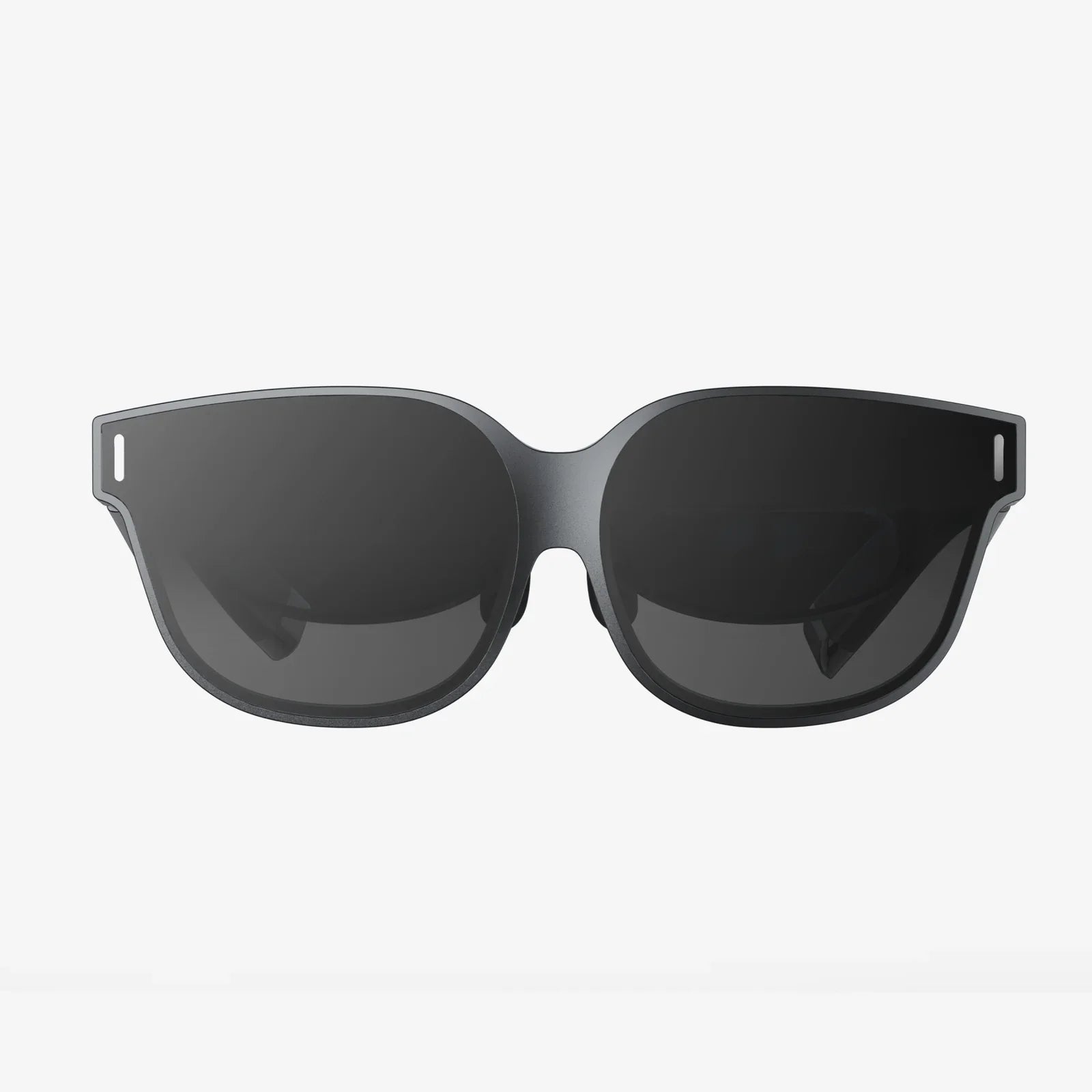
Screen glasses are specialized eyewear designed specifically to mitigate the adverse effects of prolonged digital device use. They are not merely reading glasses or standard prescription lenses. Instead, they incorporate a suite of advanced optical technologies engineered to create a more comfortable and protective visual experience. At their core, these glasses function as a filter between your eyes and your digital world.
The most fundamental feature is a blue light filtering coating. This is a subtle tint, often in a light yellow or amber hue, applied to the lenses to block or absorb a significant portion of HEV blue light. The best coatings are designed to target the specific, most harmful wavelengths of blue light (typically between 400-455 nm) while allowing beneficial light to pass through, ensuring color perception is not drastically altered for everyday tasks.
Beyond blue light protection, many pairs also feature an anti-glare (or anti-reflective) coating. This technology minimizes reflections from the front and back surfaces of the lenses, reducing distracting glare from overhead lighting or windows. This not only improves visual clarity and comfort but also makes it easier for others to see your eyes, which is particularly beneficial for those on frequent video calls.
The efficacy of screen glasses is rooted in optometric science. Numerous studies have investigated the impact of blue light filtration on visual performance and sleep quality. Research has consistently shown that reducing blue light exposure in the evening can lead to improved melatonin secretion, resulting in better sleep onset and quality. For individuals who must use devices before bed, this can be a game-changer.
Furthermore, the slight tint of the lenses enhances contrast, making it easier to distinguish characters on a screen and reducing the focusing effort required by the eye's ciliary muscle. This reduction in muscular strain directly translates to fewer headaches and less overall eye fatigue at the end of a long workday. It’s a preventive measure, akin to using ergonomic furniture to support your posture; these glasses provide ergonomic support for your visual system.
The short answer is: almost anyone who regularly uses digital devices. However, certain groups will find them particularly beneficial.
Not all screen glasses are created equal. When selecting a pair, several key factors should guide your decision to ensure you get the maximum benefit.
Lens Technology and Blue Light Blocking Percentage: Look for information on the specific wavelengths the lenses filter. Some filter a smaller percentage (10-20%) and are nearly clear, while others filter a much larger percentage (50%+ and up to 100% of specific harmful bands) and have a more noticeable tint. Consider your primary use case: for all-day wear, a lighter tint might be preferable, while for evening use, a stronger filter is ideal.
Prescription vs. Non-Prescription (Plano): Screen glasses are widely available in both formats. If you already wear corrective lenses, it is highly advisable to get a dedicated pair with your prescription embedded into the blue-light-filtering lenses. This is far superior to clipping a filter over your existing glasses. For those without vision correction, a high-quality non-prescription pair is perfectly effective.
Fit and Comfort: Since the goal is to wear these for extended periods, comfort is paramount. Ensure the frame is the right size for your face, with nose pads that don't pinch and temples that don't press too tightly against your head. Lightweight materials are a significant advantage.
Lens Quality and Additional Coatings: Beyond the blue light filter, premium options include scratch-resistant coatings, hydrophobic coatings that repel water and grease, and anti-static coatings to deter dust. These features enhance durability and make the glasses easier to clean.
It is important to frame screen glasses correctly: they are a powerful tool, but not a magic bullet. For optimal eye health, they should be part of a broader set of healthy habits, often called the 20-20-20 rule. Every 20 minutes, look at something 20 feet away for at least 20 seconds. This simple practice gives your focusing muscles a critical break.
Additionally, be mindful of your workspace ergonomics. Position your screen so that the top of the monitor is at or slightly below eye level, about an arm's length away. Adjust brightness and contrast settings to comfortable levels—your screen shouldn't be the brightest light source in the room. Finally, make a conscious effort to blink more often to keep your eyes lubricated, and consider using artificial tears if dryness persists.
Imagine finishing your workday or a long gaming session without that familiar pressure behind your eyes or the throb of a screen-induced headache. Picture yourself winding down in the evening after using your phone, then falling asleep easily instead of feeling wired. This isn't a hypothetical future; it's the tangible reality offered by a simple, yet profoundly effective, piece of technology. The question is no longer if screen glasses work, but how soon you'll experience the difference for yourself.
Share:
Virtual Reality Usability Design: Crafting Intuitive and Immersive Experiences for the Future
Virtual Reality Triad: The Three Pillars That Make or Break the Immersive Experience