


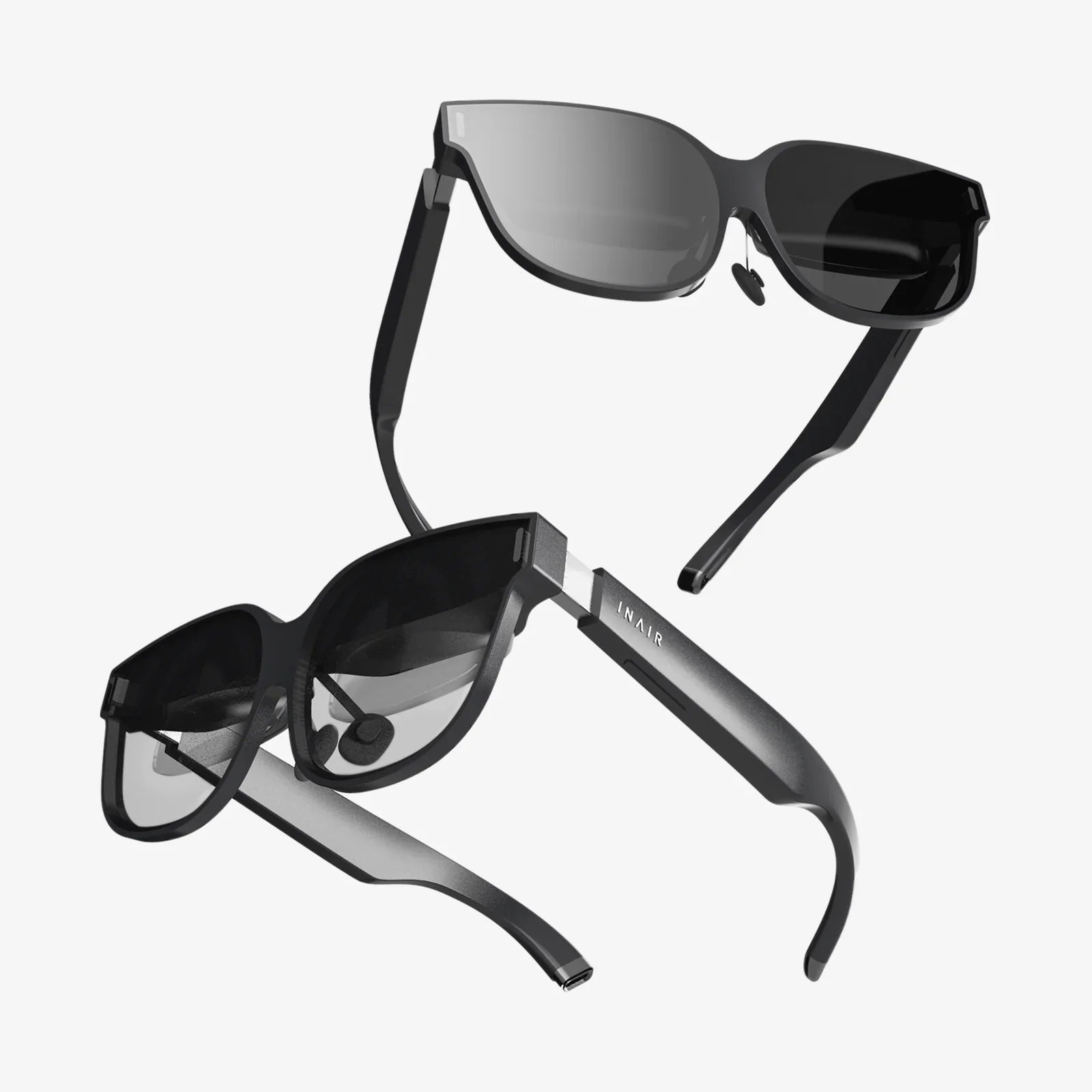
You blink, your eyes feel gritty, and a dull headache begins to pulse behind your temples. You’ve just scrolled through your social media feed, answered a dozen emails, and binged two episodes of your favorite show. Sound familiar? This isn't just fatigue; it's the physical cost of our digital lives, a silent epidemic straining the eyes of millions. But what if a simple, almost invisible tool could transform your relationship with every screen you own? The answer lies not in logging off, but in looking through a revolutionary category of eyewear designed specifically for the modern world.
The Unseen Assault: Understanding Blue Light and Digital Eye Strain
Our eyes, marvels of biological engineering, were not designed for the daily marathon we now force upon them. The average adult spends over 13 hours per day interacting with digital devices, from smartphones and laptops to tablets and televisions. This constant exposure subjects our vision to a unique set of challenges, primarily from high-energy visible (HEV) blue light and the phenomenon known as digital eye strain, or computer vision syndrome.
Blue light itself is not inherently evil. It is a component of natural sunlight and plays a role in regulating our circadian rhythm—our natural sleep-wake cycle. However, the concentrated, close-range, and prolonged emission from digital screens creates an unnatural overload. This light scatters more easily than other visible light, reducing contrast and forcing the eye's muscles to work significantly harder to focus. This relentless effort is a primary contributor to the symptoms of digital eye strain.
The consequences of this digital assault are widespread and well-documented. Common symptoms include:
- Eye Fatigue and Discomfort: A feeling of heaviness or tiredness in the eyes.
- Dryness and Irritation: Blink rate can decrease by up to 66% while using screens, leading to insufficient moisture.
- Blurred Vision: Difficulty maintaining focus after prolonged screen time.
- Headaches: Often stemming from the intense focusing effort and glare.
- Neck and Shoulder Pain: Resulting from poor posture adopted to see a glaring screen better.
- Sleep Disruption: Excessive blue light exposure, especially in the evening, can suppress melatonin production, tricking the brain into believing it is still daytime and making it harder to fall asleep.
Ignoring these symptoms is not merely a matter of enduring minor inconvenience. Chronic digital eye strain can lead to more persistent vision problems and a significant decline in productivity, comfort, and overall quality of life.
Beyond the Hype: The Science Behind Specialized Lenses
This is where specialized screen lenses eyeglasses enter the picture. They are not a gimmick but a technological solution grounded in optical science. Unlike standard prescription glasses or reading glasses, these lenses are engineered with specific features to address the root causes of digital discomfort.
The most talked-about feature is the blue light filter. Quality lenses incorporate a subtle filter, often appearing with a faint yellowish or amber tint or completely clear, that selectively blocks a portion of the most problematic high-energy blue-violet light. This filtering does not mean eliminating all blue light, which is impossible and undesirable, but rather mitigating the most harmful wavelengths while allowing beneficial light to pass through. By reducing this glare and scatter, the filter enhances contrast and eases the focusing burden on the eyes.
However, the technology extends far beyond simple filtering. Another critical innovation is the incorporation of an anti-reflective (AR) coating. Standard AR coatings reduce reflections from overhead lighting and windows, but the anti-reflective properties in premium digital lenses are specifically optimized to minimize the intense reflections emanating from the light sources of digital screens themselves. This dual action—filtering harmful light from the screen and reducing reflections on the lens surface—creates a dramatically clearer and more comfortable viewing experience.
For many users, especially those over 40, a third feature becomes invaluable: a slight power boost. Often called digital support or a low-add power, this is a very mild magnification designed to support the eyes' focusing system at the intermediate distance of a computer screen (typically 20-26 inches away). This reduces the accommodative effort required, preventing the eyes from constantly straining to maintain a clear image. It's a supportive measure, like giving your eyes a gentle cushion to rest on while they work.
Who Truly Needs Digital Eyewear? Debunking the User Myth
A common misconception is that screen lenses are only for the young, tech-obsessed programmer or the dedicated gamer. The reality is that the need for this protection is universal in the digital age.
- The Office Professional: Anyone who spends their workday in front of a computer is a prime candidate. Reduced eye strain translates directly to increased productivity, fewer headaches, and less end-of-day fatigue.
- Students of All Ages: From elementary school children using tablets for learning to university students researching and writing papers for hours on end, protecting developing eyes is crucial.
- Gamers and Streamers: This group experiences some of the most intense and prolonged screen exposure, making protective lenses essential for maintaining performance and comfort during marathon sessions.
- The Avid Reader and Content Consumer: If your relaxation involves an e-reader, smartphone, or television, you are accumulating screen time that contributes to eye strain.
- Individuals Post-Cataract Surgery: The natural lens of the eye offers some protection against UV and blue light. After cataract surgery, an intraocular lens (IOL) is implanted, and many patients become more sensitive to light, making external protection from blue light highly beneficial.
Ultimately, if you use a digital device for more than two consecutive hours daily, you will likely experience a tangible benefit from wearing screen-specific eyewear.
A Guide to Clarity: Choosing the Right Lenses for You
Navigating the world of digital eyewear can be confusing. Here are the key factors to consider to ensure you get the right solution for your needs.
1. Blue Light Filtering Level: Filters range from subtle (blocking around 10-20% of blue light) to more significant (blocking up to 50% or more). A clear lens with a lighter filter is excellent for all-day, general use, while an amber-tinted lens with a stronger filter is ideal for evening use or for those with extreme light sensitivity, as it maximizes melatonin protection.
2. Lens Material and Coatings: High-index plastic or polycarbonate lenses are lightweight and offer inherent UV protection. Ensure the lenses include a premium anti-reflective coating optimized for digital use. Some advanced coatings are also hydrophobic (repel water) and oleophobic (repel oils), making them easier to clean and keeping them smudge-free.
3. The Need for Prescription: Screen lenses are available in two forms: with a corrective prescription (single vision or progressive) for those who already need vision correction, and as plano (non-prescription) lenses for those with 20/20 vision who simply want the protective benefits.
4. Fit and Frame Style: Comfort is paramount for all-day wear. Choose a frame that fits well and feels light on your face. Wrap-around styles can help block light from the sides, but ensure the curvature of the lens does not distort your vision if you have a strong prescription. The best practice is to consult with an eye care professional who can assess your specific visual habits, measure your working distances, and recommend the perfect lens type and power for your lifestyle.
Integrating Protection into Your Daily Routine
While screen lenses are a powerful tool, they work best as part of a holistic strategy for digital wellness. Adopting healthy habits can amplify their benefits and further protect your vision.
Practice the 20-20-20 Rule: Every 20 minutes, look at something 20 feet away for at least 20 seconds. This simple habit gives your focusing muscles a critical break.
Optimize Your Workspace: Position your screen so that the top of the monitor is at or slightly below eye level. It should be about an arm's length away. Adjust brightness and contrast to comfortable levels and increase text size to avoid squinting.
Mind the Glare: Arrange your desk to avoid facing an uncovered window or having a bright window directly behind you, as both create intense glare on your screen.
Remember to Blink: Consciously make an effort to blink fully and frequently to keep your eyes lubricated. Consider using lubricating eye drops if dryness persists.
Embrace Digital Curfews: Avoid screens for at least one to two hours before bedtime to allow your natural sleep cycle to function properly. If you must use a device, ensure it's in night mode and wear your blue-light-filtering glasses.
Think of screen lenses not as a cure-all, but as the most effective piece of armor in your defense against digital eye strain, working in concert with smart habits to preserve your visual comfort.
Imagine finishing your workday without that familiar pressure behind your eyes, or watching a movie late into the night and still slipping effortlessly into sleep. This isn't a futuristic fantasy—it's the tangible reality offered by a precisely crafted pair of lenses. In a world where retreating from technology is not an option, equipping yourself with the right visual tools is no longer a luxury; it's a fundamental act of self-care. The clarity you gain will extend far beyond your screen, transforming how you see, work, and live every single day.
Share:
XR VR Updates: The Unseen Evolution Reshaping Our Digital and Physical Worlds
AI Sunglasses for Men: The Ultimate Fusion of Style and Futuristic Technology