


- by wangfred
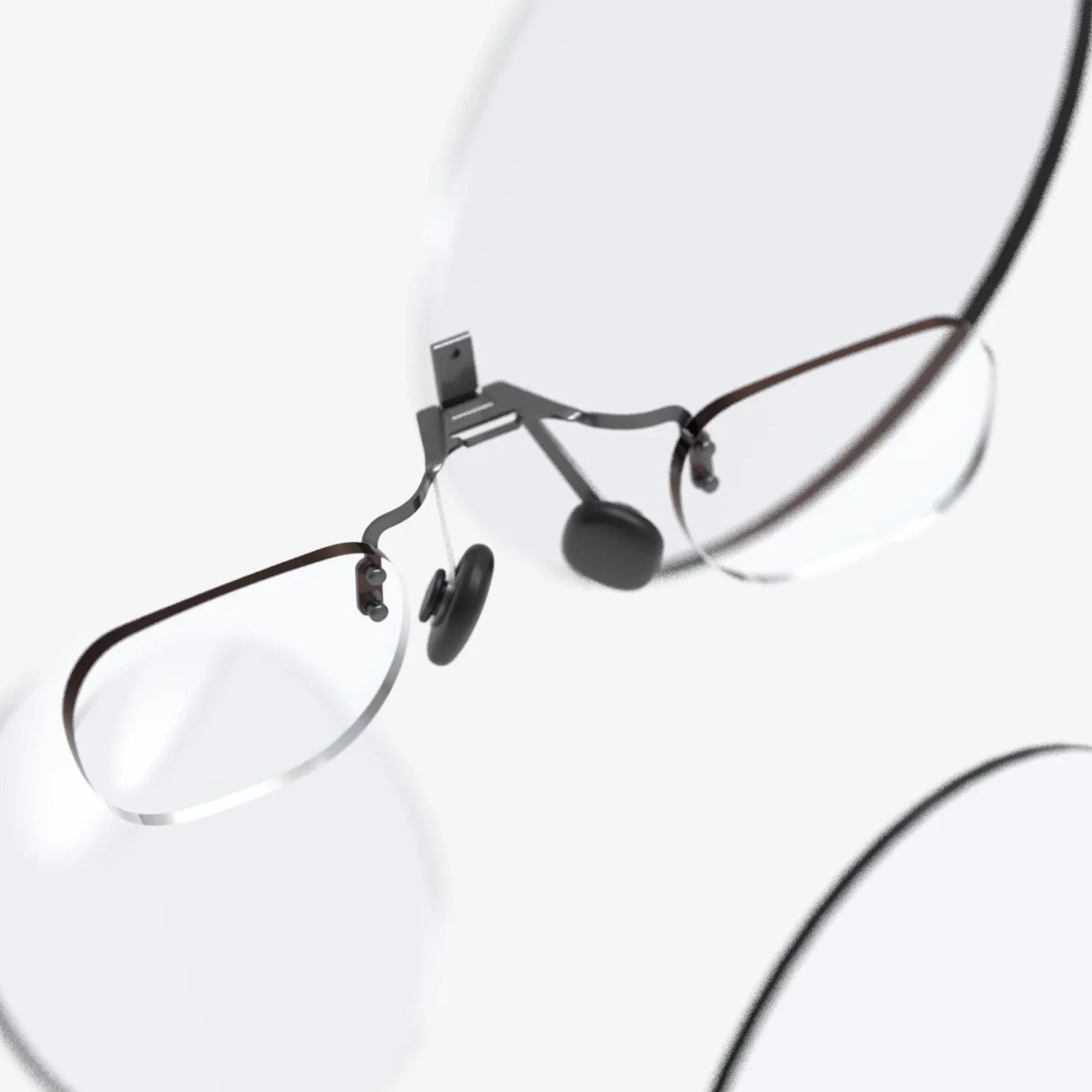
Screen Protector Spectacles: The Ultimate Defense for Your Digital Vision
- by wangfred
In an era where our lives are inextricably linked to digital screens, from the first email we check in the morning to the last social media scroll at night, a new essential has emerged for the modern wardrobe: screen protector spectacles. These are not your grandmother's reading glasses nor a simple fashion statement; they are a sophisticated piece of personal technology, a shield forged in the fires of optical science to defend our most precious sensory organs against the relentless glare of our digital world. If you've ever felt the sting of tired eyes after a long day at the computer or struggled to fall asleep after a late-night binge-watch session, you've already encountered the problem these innovative lenses are designed to solve. This is the frontier of proactive eye care, where style meets science to create a barrier between you and the invisible emissions of your devices.
To understand the value of screen protector spectacles, we must first appreciate the nature of the modern visual environment. For millennia, human vision evolved under the gentle, full-spectrum light of the sun. Today, we spend over half our waking hours bathed in the artificial glow of Light Emitting Diode (LED) screens—from smartphones and tablets to laptops and televisions. These devices emit significant amounts of high-energy visible (HEV) light, often referred to as blue light.
While not all blue light is bad (natural blue light from the sun regulates our circadian rhythm and boosts alertness), the concentrated, close-range, and prolonged exposure from digital sources is a phenomenon our eyes are simply not built to handle. This constant bombardment has given rise to a well-documented condition known as Digital Eye Strain (DES) or Computer Vision Syndrome. Symptoms are widespread and familiar to millions: eyestrain, headaches, blurred vision, dry and irritated eyes, and neck and shoulder pain. Furthermore, research has shown that excessive blue light exposure, particularly in the evening, can suppress the production of melatonin, the hormone responsible for sleep, leading to disrupted sleep patterns and all the associated health ramifications.
While filtering blue light is a primary function, high-quality screen protector spectacles offer a more comprehensive suite of protections. The best lenses are engineered with multiple layers of defense, creating a holistic shield for the wearer.
This is the core technology. Unlike some basic blue-blocking apps or settings that simply give your screen a yellow tint, advanced lenses use selective filtering. They are designed to block a significant percentage of the most harmful wavelengths of blue light (typically in the 400-455 nm range) while allowing beneficial blue-turquoise light to pass through. This precision ensures visual comfort and color accuracy is maintained, which is crucial for professionals in design, photography, or any field where color perception is critical. The filtering is often integrated into the lens material itself or applied as a nearly invisible coating, preventing the drastic color distortion associated with early-generation solutions.
Glare is a major contributor to eye strain. It occurs when light reflects off the front and back surfaces of your lenses, creating distracting hotspots and reducing contrast. A high-quality anti-reflective coating is applied to both sides of the lens to minimize these reflections drastically. This allows more light to pass through the lens to your eye, improving clarity, reducing the need to squint, and making your spectacles appear nearly invisible to others. This is especially valuable in brightly lit offices or when using devices outdoors.
Many models incorporate a slight magnification or a specific optical power designed for the intermediate distance at which we typically hold screens. This reduces the focusing effort required by the ciliary muscles in your eyes, which constantly flex and contract to maintain a clear image. By providing this subtle support, the spectacles prevent these muscles from becoming overworked and fatigued, which is a direct cause of that tired, strained feeling.
The short answer is: almost anyone who regularly uses digital devices. However, some groups will find them particularly transformative.
Not all screen protector spectacles are created equal. Navigating the market requires attention to a few key details to ensure you get a product that is both effective and comfortable.
Lens Quality and Technology: Investigate the spectrum of blue light the lenses claim to block. Reputable manufacturers will provide a graph or percentage indicating filtration within specific wavelengths. Look for options that block at least 50% of blue light, with higher percentages (up to 90%+) available for those with high sensitivity or evening use.
Lens Tint and Clarity: Decide between clear lenses and slightly tinted ones. Clear lenses are ideal for all-day wear in office environments as they maintain true color perception. Amber or yellow tints offer higher blue light blocking and can increase contrast, making them popular for night use or gaming, but they alter color perception more noticeably.
Prescription Compatibility: This is a crucial point. Screen protector technology is not just for those with 20/20 vision. The protective coatings and filtering can be seamlessly integrated into prescription lenses, including single-vision, bifocal, and progressive lenses. If you already wear prescription eyewear, you can have your next pair made with these protective features, creating an all-in-one solution.
Fit and Comfort: Since these are meant to be worn for extended periods, frame choice is vital. Ensure a comfortable fit over the nose and ears. Consider the frame's width and lens height to ensure adequate coverage for your field of vision, especially if you use multiple monitors.
Durability and Coatings: Look for additional features like scratch-resistant, water-repellent, and anti-static coatings. These enhance the longevity of the spectacles and keep lenses cleaner for longer.
Purchasing the spectacles is only the first step; building habits around them maximizes their benefit. Wear them consistently during any screen activity. Keep them clean using a microfiber cloth and lens cleaner designed for coated lenses, as harsh chemicals can damage the delicate filters. Remember that they are a powerful tool for prevention and alleviation, but they work best as part of a broader strategy of good digital hygiene. This includes practicing the 20-20-20 rule (every 20 minutes, look at something 20 feet away for 20 seconds), adjusting screen brightness to match your ambient lighting, and holding devices at a proper distance.
As with any popular technology, misconceptions abound. Let's clarify a few. First, screen protector spectacles are not a cure-all. They will not correct refractive errors like nearsightedness unless specifically prescribed to do so. Second, while they filter a significant portion of blue light, they do not block 100% of it, nor would you want them to. The goal is risk reduction, not total elimination. Finally, the price is not always indicative of effectiveness. While build quality and brand reputation matter, a mid-priced pair from a reputable optical manufacturer often provides filtration on par with much more expensive boutique brands.
The journey to comfortable vision in the digital age is not about rejecting technology but about adapting to it wisely. Screen protector spectacles represent a harmonious fusion of human biology and technological innovation. They are a testament to our ability to identify a problem created by our modern world and engineer an elegant, effective solution. This is not a fleeting trend but a fundamental shift in how we view our interaction with the tools we depend on. It's an investment in long-term comfort, health, and productivity, ensuring that our windows to the world remain clear, comfortable, and protected for years to come. Imagine finishing your workday with eyes that feel refreshed, or enjoying your favorite show without the accompanying headache—that reality is already within your sight.