


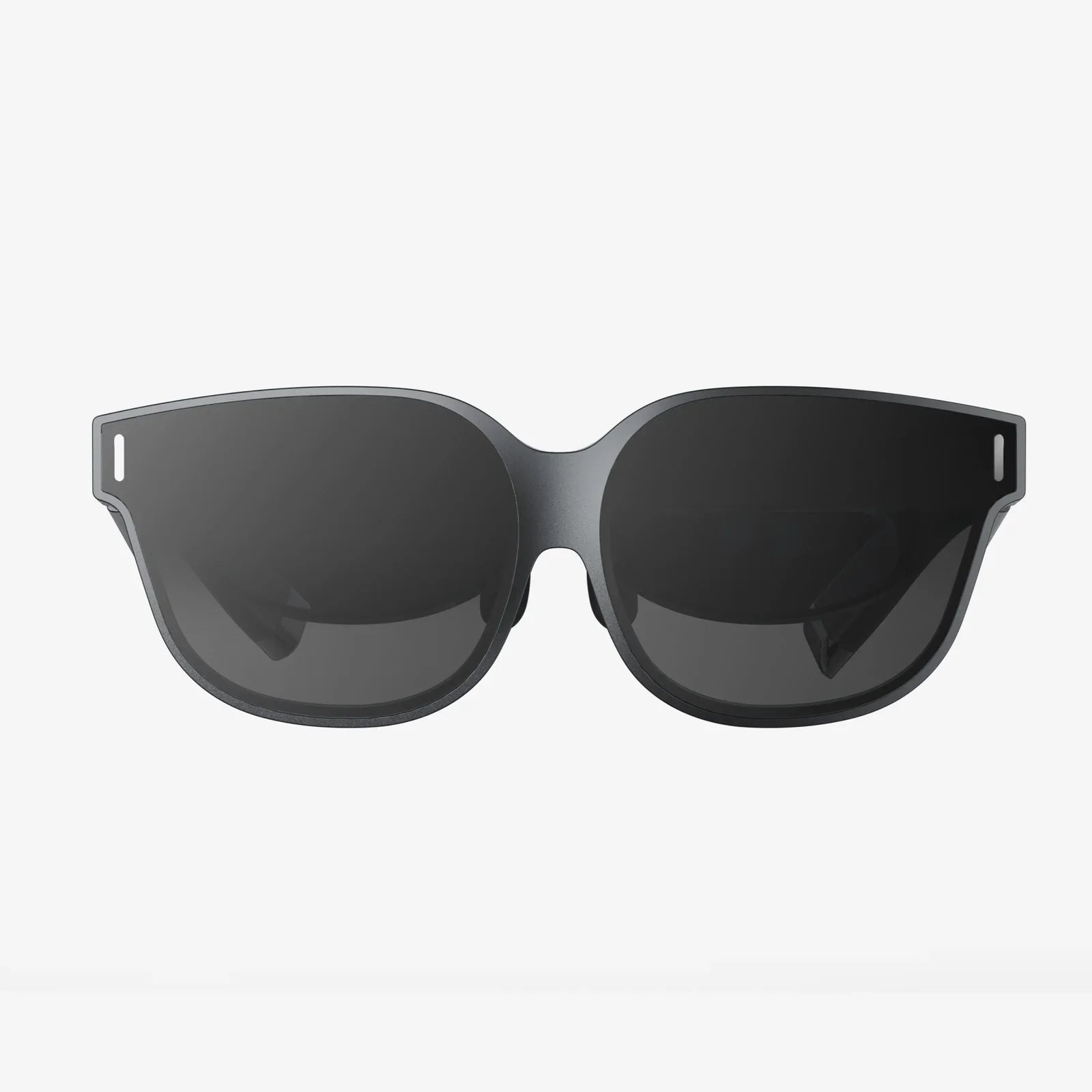
If you have ever thought, "show me virtual reality apps that are actually worth my time," you are already halfway into a new world. Virtual reality is no longer a novelty reserved for tech enthusiasts; it is quickly becoming the next mainstream way to play, learn, work, and connect. The most exciting part is that the best VR apps are not just impressive demos; they are experiences that can genuinely change how you see the world around you.
Whether you have a high-end headset, a standalone device, or just a smartphone and a cheap viewer, there are virtual reality apps that can pull you into immersive stories, realistic simulations, and surprisingly deep social spaces. This guide will walk you through the main types of VR apps, how to choose the best ones for your goals, and what you need to start exploring new realities without wasting money or time.
Why People Keep Searching "show me virtual reality apps"
Virtual reality has gone through hype cycles before, but the recent wave of apps has made it more relevant than ever. When people search for phrases like "show me virtual reality apps," they are usually looking for one of three things:
- Mind-blowing entertainment that goes beyond traditional games and movies
- Practical tools for learning, fitness, creativity, or professional work
- Social experiences that feel more real and engaging than scrolling on a phone
Modern VR apps now deliver on all three, often blending them together. You might step into a historical reconstruction that is both entertaining and educational, or join a virtual workout class that feels like a game but leaves you genuinely exhausted.
The Main Types of Virtual Reality Apps You Should Know
To make sense of the huge number of options, it helps to group virtual reality apps into categories. Different types of apps shine on different devices, and knowing what you want will save you from downloading dozens of forgettable experiences.
1. Immersive Games and Interactive Experiences
Gaming is still the most popular use of VR, and for good reason. Well-designed VR games let you:
- Look around naturally, using your head and body instead of a thumbstick
- Use motion controllers to grab, throw, push, and interact with objects
- Feel presence, the sensation that you are really “there” inside the world
Within gaming, there are several subtypes of virtual reality apps:
- Action and adventure experiences that put you in the center of dramatic scenarios
- Puzzle and escape-room style apps that use spatial reasoning and hand tracking
- Rhythm and music games where you hit, slice, or dodge in time with songs
- Simulation apps that let you drive, fly, or build in realistic environments
These apps work best on dedicated VR headsets or gaming PCs, but some simplified versions also run on smartphones with basic viewers.
2. Educational and Training VR Apps
Education is one of the most powerful uses of VR. Instead of reading about a concept or watching a flat video, you can step directly into a simulation. Educational virtual reality apps can:
- Recreate historical events and ancient cities in 3D
- Visualize complex scientific concepts at human scale
- Simulate lab experiments or technical procedures in a safe virtual space
- Provide language immersion by placing you in virtual conversations
Training apps are also gaining traction in fields like medicine, aviation, engineering, and emergency response. These apps allow trainees to practice rare or dangerous scenarios repeatedly without real-world risks or costs.
3. Travel, Tourism, and Exploration Apps
Many people search "show me virtual reality apps" because they want to explore places they cannot easily visit. Travel and exploration VR apps offer:
- Virtual tours of famous landmarks such as museums, monuments, and natural wonders
- 360-degree documentaries that place you inside remote locations
- Underwater and space experiences that are impossible for most people in real life
These apps are especially accessible because many of them work with simple smartphone-based VR systems. Even without full motion tracking, the ability to look around freely can make a 360-degree video feel surprisingly immersive.
4. Fitness and Wellness VR Apps
Fitness apps might not be the first thing that comes to mind when you think about VR, but they are one of the most practical uses. Instead of staring at a treadmill display, you can:
- Box, dance, or dodge obstacles in rhythm-based workout games
- Follow guided exercise routines in virtual studios or outdoor scenes
- Practice yoga, stretching, or meditation in peaceful virtual environments
Wellness apps also include relaxation experiences, breathing exercises, and guided mindfulness sessions. These can be especially helpful if you want a sense of escape from a stressful environment without leaving your home.
5. Social and Collaboration Apps
Virtual reality is not just about solo experiences. Social and collaboration apps aim to replace or enhance video calls, chat rooms, and online communities. In these apps, you typically:
- Create an avatar that represents you
- Join virtual rooms, stages, or worlds with other people
- Talk using your real voice, with head and hand movements tracked
Some social VR apps focus on casual conversation and hangouts, while others are designed for:
- Virtual meetings and presentations
- Remote collaboration on 3D models or designs
- Live events such as concerts, comedy shows, or conferences
These apps are especially compelling when participants have full VR headsets, but many platforms also allow people to join from desktop or mobile devices.
6. Creative and Productivity VR Apps
Another answer to "show me virtual reality apps" is found in creative tools. VR can be an incredible environment for:
- 3D painting and sculpting in a virtual studio
- Designing and prototyping objects at full scale
- Storyboarding, mind mapping, and brainstorming in 3D space
- Editing and arranging virtual scenes, sets, or environments
These apps blur the line between work and play. Even if you are not a professional artist or designer, the sense of freedom that comes from drawing in mid-air or shaping virtual clay can be deeply satisfying and surprisingly intuitive.
What You Need to Run Virtual Reality Apps
Before you start downloading every app that looks interesting, you need to know what your hardware can handle. Different classes of VR devices support different levels of immersion and performance.
Standalone VR Headsets
Standalone headsets are all-in-one devices that do not require a PC or console. They are the most convenient way to access a wide range of virtual reality apps, including games, fitness, education, and social platforms.
Key advantages include:
- No cables or external sensors
- Easy setup and portability
- App stores optimized specifically for VR
However, they have less processing power than high-end gaming PCs, so the most graphically intensive apps may not be available or may run with simplified graphics.
PC-Based VR Systems
PC-based VR uses a powerful computer connected to a headset. This setup is ideal if you want the most detailed and demanding virtual reality apps, such as complex simulations and visually rich games.
Advantages include:
- Higher graphical fidelity and frame rates
- Access to advanced development and creative tools
- More flexibility with custom settings and accessories
The trade-offs are higher cost, more complex setup, and less portability.
Console VR Systems
Some game consoles support dedicated VR headsets. These setups are great for people who already own a console and want a curated library of virtual reality apps that are optimized for that hardware.
Console VR typically offers:
- Good performance without needing a gaming PC
- A focused selection of polished apps and games
- Simpler setup than most PC-based systems
Smartphone-Based VR
Smartphone-based VR uses a mobile device inserted into a simple viewer. While this approach is less advanced than dedicated headsets, it can still deliver compelling experiences, especially for:
- 360-degree videos and documentaries
- Simple educational and exploration apps
- Basic games and interactive experiences
If you are just beginning and want to test the waters, smartphone VR can be a low-cost way to understand how virtual reality apps feel.
How to Choose Virtual Reality Apps That Are Worth Your Time
With so many options, it is easy to feel overwhelmed. When you think "show me virtual reality apps" and open an app store, you may find hundreds of titles competing for your attention. Here are practical criteria to help you pick the best ones.
1. Check Comfort and Accessibility
Comfort is crucial in VR. Poorly designed apps can cause motion sickness or eye strain. Look for:
- Comfort ratings or user reviews mentioning motion sickness
- Locomotion options such as teleportation or smooth movement
- Adjustable settings for turning speed, field of view, and vignette effects
Apps that offer seated and standing modes, as well as clear instructions, are usually more accessible for beginners.
2. Evaluate Interaction Quality
The magic of VR comes from how you interact with the world. High-quality virtual reality apps usually have:
- Precise hand tracking or controller support
- Natural gestures for grabbing, pointing, or drawing
- Responsive feedback, such as haptic vibrations and sound cues
If an app feels clumsy or unresponsive, it will break immersion quickly, no matter how good the graphics are.
3. Prioritize Presence and Immersion
Presence is the feeling that you are truly inside the virtual environment. Apps that create strong presence usually:
- Use spatial audio so sounds come from specific directions
- Offer detailed, coherent environments without obvious visual glitches
- Keep user interfaces simple and integrated into the world
Reading reviews and watching short gameplay clips can help you gauge whether an app feels immersive before you download it.
4. Match the App to Your Goals
Ask yourself what you want from VR:
- For fun and stress relief, prioritize games, exploration, and casual social apps.
- For learning, look for educational apps with structured content and clear learning outcomes.
- For fitness, choose apps with varied workouts, progress tracking, and safety features.
- For work or creativity, focus on tools that integrate with your existing workflows and file formats.
Being clear about your goals will help you avoid downloading apps that look impressive but do not fit your needs.
5. Look at Community and Developer Support
Virtual reality apps evolve quickly. The best experiences are often those that receive regular updates and have active communities. Pay attention to:
- Recent update dates in the app store
- User forums, discussion boards, or social groups
- Developer responses to feedback and bug reports
Apps with strong support are more likely to remain compatible with new hardware and operating system updates.
Experiences That Show Off What VR Can Really Do
To make your search for "show me virtual reality apps" more concrete, it helps to think in terms of specific scenarios rather than individual products. Here are example experiences that highlight VR’s unique strengths.
Walk Through History
Imagine standing in the middle of an ancient city, listening to guided narration as you walk through reconstructed streets. Educational VR apps can let you:
- Explore historically accurate buildings and artifacts
- Witness key events from different viewpoints
- Interact with virtual objects to reveal additional information
These experiences are powerful for students, history enthusiasts, or anyone who wants to feel a deeper connection to the past.
Practice Real-World Skills Safely
Training-focused VR apps can simulate real tasks in a controlled environment. For example, you might:
- Practice emergency procedures in a virtual facility
- Learn how to operate complex machinery step by step
- Rehearse public speaking in front of a virtual audience
By repeating these scenarios, you build confidence and muscle memory without real-world consequences.
Travel Without a Plane Ticket
Travel and exploration apps can take you from coral reefs to mountain peaks in seconds. You can:
- Join guided tours of famous cities
- Experience national parks in different seasons
- Watch 360-degree documentaries about cultures around the world
These apps are especially valuable for people with limited mobility, students, or anyone planning future trips.
Turn Workouts Into Adventures
Fitness-focused virtual reality apps transform exercise from a chore into a game. Picture yourself:
- Dodging incoming targets while lunging and squatting
- Shadowboxing against virtual opponents in stylized arenas
- Following a virtual trainer through scenic environments
By tracking your movements and, in some cases, your heart rate, these apps can help you stay motivated and monitor progress over time.
Create Art in Three Dimensions
Creative VR apps let you move beyond flat canvases. You can:
- Draw with light, fire, or abstract brushes in mid-air
- Model characters or objects using virtual sculpting tools
- Walk around your creations to view them from every angle
The sense of scale and depth that VR provides makes it easier to understand proportions and composition, even if you are new to 3D art.
Host Meetings in Virtual Spaces
Collaboration apps enable more engaging remote work. Instead of staring at a grid of video feeds, you can:
- Meet in a virtual conference room with shared 3D models
- Use virtual whiteboards to brainstorm ideas
- Present slides or prototypes while walking around a virtual stage
These experiences can reduce meeting fatigue and make remote sessions feel more interactive and memorable.
Best Practices for a Comfortable VR Experience
Even the most impressive virtual reality apps will fall flat if you feel uncomfortable using them. A few simple habits can make your sessions safer and more enjoyable.
Set Up Your Play Area
Before starting a VR app, clear your physical space:
- Remove tripping hazards like cables, small tables, or loose objects
- Ensure you have enough room to move your arms freely
- Use the boundary or guardian system built into your headset
This reduces the risk of collisions and allows you to move naturally without worrying about your surroundings.
Start with Short Sessions
If you are new to VR, your brain and body may need time to adapt. Begin with:
- Short sessions of 10–20 minutes
- Comfortable apps that use teleportation instead of smooth walking
- Experiences that do not require rapid head movements
Gradually increase your session length as you become more comfortable.
Adjust Fit and Clarity
A properly adjusted headset is essential for comfort and visual quality. Take time to:
- Adjust the straps so the headset is snug but not tight
- Set the lenses to match your interpupillary distance if possible
- Clean the lenses regularly to avoid smudges and blur
Clear visuals reduce eye strain and help maintain immersion.
Listen to Your Body
If you feel dizzy, nauseous, or overly fatigued, stop immediately and take a break. Pushing through discomfort can make you more sensitive to motion sickness in future sessions. As you learn which types of movement feel comfortable, you can choose virtual reality apps that match your tolerance.
How Developers Build Virtual Reality Apps
Understanding the basics of how VR apps are created can help you appreciate what is happening behind the scenes and why some experiences feel more polished than others.
Game Engines and Toolkits
Most VR apps are built using modern game engines and specialized toolkits. These provide:
- 3D rendering and physics systems
- Support for multiple VR devices and input methods
- Libraries of prebuilt assets and interaction patterns
This allows developers to focus on creative design and user experience rather than low-level technical details.
Designing for Presence
Creating a strong sense of presence requires careful attention to:
- Frame rate and latency to prevent motion sickness
- Natural movement and interaction mechanics
- Environmental storytelling and sound design
Even small issues, such as misaligned hand models or delayed responses, can break immersion, so testing and optimization are critical.
Accessibility and Inclusivity
Modern VR developers are increasingly focused on making apps accessible. This can include:
- Options for seated, standing, and room-scale play
- Subtitles and audio descriptions
- Customizable control schemes and color settings
As you explore virtual reality apps, you will likely see more features designed to accommodate different abilities and preferences.
The Future of Virtual Reality Apps
The question "show me virtual reality apps" will have very different answers in a few years. Several trends are already reshaping what VR can do.
More Natural Input Methods
Hand tracking, eye tracking, and voice control are becoming more common. These technologies will allow apps to:
- Track where you are looking to improve rendering and interaction
- Respond to gestures without requiring controllers
- Use voice commands for navigation and control
This will make VR more intuitive, especially for people who find traditional controllers intimidating.
Mixed Reality and Passthrough Experiences
Newer headsets can blend virtual content with a live view of your real environment. This opens up possibilities for:
- Productivity apps that place virtual monitors around your physical desk
- Fitness apps that show virtual opponents in your living room
- Educational tools that overlay information on real objects
As mixed reality improves, the line between VR and everyday computing will blur.
Deeper Social Integration
Social VR is likely to grow as more people adopt headsets and as platforms improve their safety and moderation tools. Future apps may offer:
- Persistent virtual spaces where you can leave objects or notes for friends
- Shared work environments that sync with traditional desktop tools
- Events that combine live performers and virtual stages
This evolution could make VR a standard part of how people socialize and collaborate online.
Smaller, Lighter, and More Affordable Devices
Hardware advances will continue to make headsets:
- More comfortable for long sessions
- Less expensive, bringing VR to a wider audience
- More powerful, enabling richer apps on standalone devices
As access improves, developers will have larger audiences and more incentive to experiment with new types of virtual reality apps.
Practical Steps to Start Exploring VR Apps Today
You do not need to be a tech expert to dive into VR. Here is a simple roadmap for getting started.
1. Identify Your Device or Budget
First, decide what hardware you will use:
- If you already own a VR-capable device, check its app store or marketplace.
- If you have a gaming PC, research compatible headsets and their requirements.
- If you are on a tight budget, consider smartphone-based VR to try basic experiences.
2. Start with Curated Lists
Instead of randomly searching, look for curated collections such as:
- Top-rated apps by category in your device’s store
- Educational recommendations from schools or training organizations
- Community lists and reviews from experienced VR users
This approach reduces the risk of downloading low-quality or poorly optimized apps.
3. Try a Variety of Categories
To understand what you enjoy most, sample different types of virtual reality apps:
- A short story-driven game or interactive experience
- An educational or exploration app
- A fitness or wellness session
- A social or collaboration platform
You may discover that your favorite VR activities are different from what you expected.
4. Adjust Settings for Comfort and Performance
Most apps and headsets allow you to tweak settings. Experiment with:
- Graphics options to maintain smooth performance
- Comfort settings for locomotion and turning
- Audio levels and subtitles for clarity
Taking a few minutes to tune these settings can dramatically improve your experience.
5. Keep an Eye on Updates and New Releases
VR is a rapidly evolving field. Check periodically for:
- New app categories and experimental experiences
- Updates that add features or improve visuals
- Seasonal events or limited-time content in your favorite apps
Staying up to date ensures you are always seeing what VR can really offer.
Every time you type "show me virtual reality apps" into a search bar, you are standing at the doorway to somewhere radically different from the flat screens you use every day. You can step into forgotten eras, train for skills that matter, push your body in new ways, or simply relax on a virtual beach that no travel budget could ever limit. The right mix of apps can turn your headset from a toy into a tool for growth, connection, and genuine wonder.
If you are ready to move beyond curiosity and into experience, choose the device you have, pick a handful of promising apps across different categories, and give yourself permission to explore. Virtual reality is not just about escaping the real world; it is about returning to it with new perspectives, sharper skills, and stories that could only come from standing in worlds that did not exist until you put the headset on. The next time you ask someone to "show me virtual reality apps," you may find that you are the one guiding others through realities they never knew they needed to see.
Share:
normal looking ar glasses and the Future of Everyday Augmented Reality
What Are The Best AI Tools Right Now For Work And Creativity