


- by wangfred
Small AR Project: Your Gateway to the Immersive Future
- by wangfred
Imagine pointing your phone at a dusty old book and watching a dragon erupt from its pages, or seeing a forgotten historical figure step out of a painting in your local museum to tell their story. This isn't distant science fiction; it's the accessible, thrilling reality of a small AR project, and it’s waiting for you to build it. The world of Augmented Reality has shed its image as an exclusive playground for massive corporations with billion-dollar budgets. Today, the most exciting innovations are happening on a smaller, more human scale, empowering students, artists, entrepreneurs, and hobbyists to overlay their imagination onto our world. This is your invitation to step through that digital looking glass.
Before diving into the 'how,' it's crucial to understand the 'what.' Augmented Reality (AR) is a technology that superimposes a computer-generated image, video, or 3D model onto a user's view of the real world. Unlike Virtual Reality (VR), which creates a completely artificial environment, AR enhances your existing reality by adding digital elements to it. The magic lies in this seamless blend of the physical and the digital.
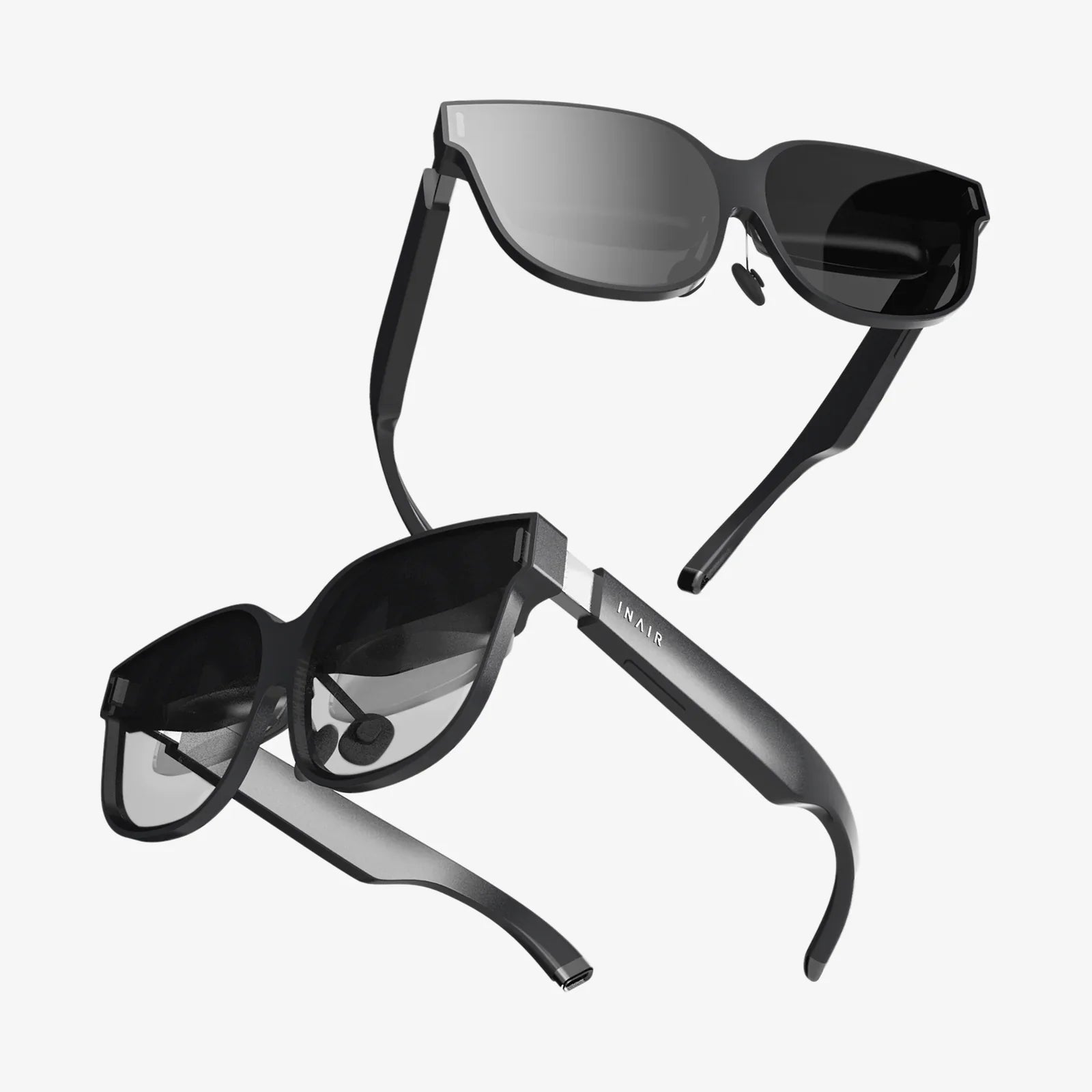
The hardware required to experience and create AR has become astonishingly commonplace. The most powerful AR device for a small project is likely in your pocket right now: a modern smartphone or tablet. These devices pack high-resolution cameras, powerful processors, gyroscopes, and accelerometers—all the essential sensors needed to understand and interact with the environment. For more immersive, hands-free experiences, dedicated AR glasses are becoming more affordable and capable, but they are by no means a prerequisite to start creating.
The software side has seen an even more dramatic democratization. A plethora of powerful, often free or low-cost development platforms and software development kits (SDKs) have emerged. These toolkits handle the complex computer vision and tracking algorithms, allowing creators to focus on the creative and functional aspects of their small AR project. They provide the foundational building blocks, such as:
The term 'small AR project' is not a pejorative; it's a strategic approach. Embarking on a massive, complex AR experience from the outset is a common recipe for frustration and abandonment. A small project, by contrast, offers a manageable scope with a high chance of a satisfying and successful outcome. The benefits are immense.
First and foremost is accessibility. The barrier to entry has never been lower. With minimal financial investment—often just the cost of your time and your existing hardware—you can download development software and begin experimenting immediately. This low-risk environment encourages play and discovery, which are essential for innovation.
Secondly, a small scope allows for rapid prototyping and iteration. You can build a simple version of your idea, test it, get feedback, and improve it in a matter of days or weeks, not months or years. This agile development cycle is crucial for learning what works and what doesn't in the nuanced world of spatial computing. It keeps motivation high and provides a constant sense of progression.
Finally, a successful small AR project serves as a perfect portfolio piece. For students, hobbyists, or career-changers, a single, well-executed application is far more impressive to potential employers or clients than a grand, unfinished idea. It demonstrates practical skills, creative thinking, and the ability to ship a completed product.
The potential applications for a small AR project are as vast as your imagination. They typically fall into a few key categories that can guide your brainstorming process.
AR is a revolutionary tool for learning and narrative. A small project could bring a textbook diagram of the human heart to life, allowing students to zoom in, rotate, and watch it beat. It could animate the characters in a child's storybook or allow history buffs to witness a reenactment on the very ground where it happened. Museums and cultural institutions are desperate for these kinds of engaging, low-cost interactive exhibits.
The 'try before you buy' paradigm has been utterly transformed. A small AR project could be a simple app that lets users see how a new lamp would look on their side table or how a pair of virtual sunglasses fits their face. This practical utility solves a real customer problem and can be developed by a single creator or a small team.
This is where AR truly shines as a medium for pure creativity. Create an AR art installation in your backyard that only you and your friends can see. Develop a simple game where characters battle on your kitchen table. Make a poster for a local band that, when viewed through your phone, plays their latest music video. These projects prioritize wonder and engagement above all else.
AR isn't just for fun; it's a powerful tool for efficiency. A small project could provide interactive, overlay instructions for assembling a piece of furniture, eliminating confusing paper manuals. It could help a mechanic visualize the steps for a repair or aid in interior design by letting users place and arrange virtual furniture in their actual living space.
Transforming your idea into a functioning application requires a structured approach. Here is a simplified roadmap for your first small AR project.
While the path is clearer than ever, creating a compelling AR experience still presents unique challenges that a small project creator must anticipate.
User Experience (UX) is King: Bad AR is worse than no AR. If the digital object jitters, floats away, or is difficult to interact with, the illusion shatters instantly. Prioritize stability and intuitive design. Don't make users pinch and zoom with complex gestures; keep interactions simple and clear. Provide obvious cues and instructions.
Environmental Limitations: AR doesn't work well in all situations. A poorly lit room, a shiny surface, or a lack of distinct visual features (a blank white wall) can confuse the tracking algorithms. Design your experience with these limitations in mind, perhaps by requiring a specific printed image as a target in low-feature environments.
Performance and Battery Life: Processing live camera feed and rendering 3D graphics is computationally intensive and can drain a device's battery quickly. Optimize your 3D models to have a low polygon count and use efficient textures. A well-optimized app is a successful app.
The trajectory of AR is clear: it is moving from niche to normal, from complex to simple, and from corporate to personal. The technologies that power it will only become more powerful and easier to use. The rise of WebAR, which allows users to experience AR directly through a web browser without downloading any app, will shatter the final barrier to instant access. The concepts of the spatial web and the metaverse are all built upon the foundational layer of AR—the ability to anchor digital information to our physical world.
By starting a small AR project today, you are not just building a neat party trick. You are developing a critical literacy in the next major computing platform. You are learning to think spatially, to design for a world where the digital and physical are intertwined. The skills you gain—in 3D content creation, interaction design, and spatial programming—are becoming increasingly valuable across countless industries.
Your canvas is the world around you, and your tools are more accessible than ever before. That historical marker, that product box, that blank wall, that children's book—they are all waiting for a layer of magic. The gap between imagining a dragon on your coffee table and actually seeing it there is now just a small AR project away. What will you create?