


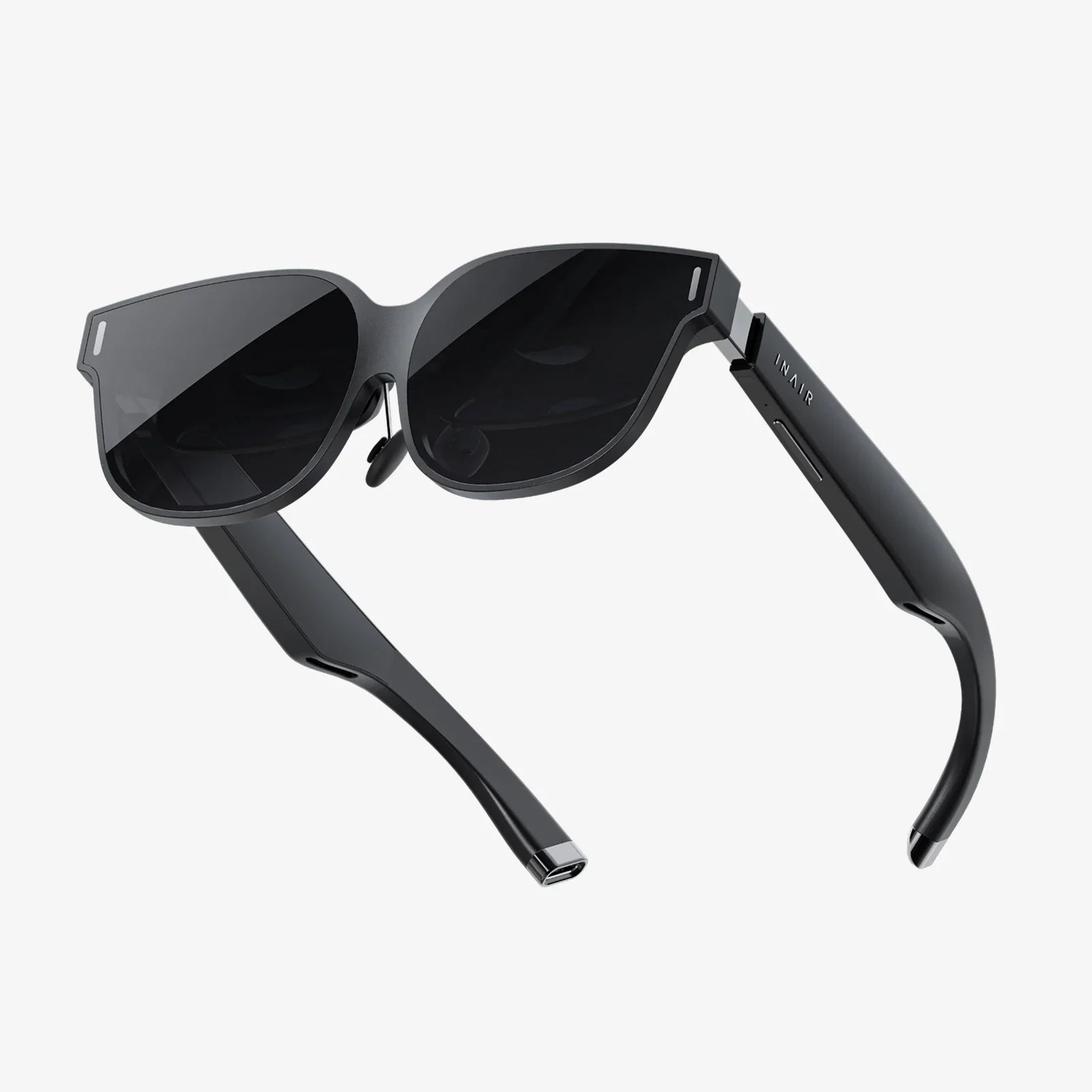
Imagine a soundtrack for your life that moves with you, unobtrusive yet powerful, personal yet shareable—this is the promise of the small wearable speaker, a device that is quietly revolutionizing how we interact with sound, music, and each other in our daily lives.
The Evolution of Personal Audio: From Headphones to Freedom
For decades, the primary method for private listening was the headphone. From large over-ear models to discreet earbuds, they offered an escape into a private auditory world. However, this isolation came at a cost: the complete removal of the listener from their immediate environment. You couldn't hear a conversation, a car approaching, or a colleague calling your name. The small wearable speaker shatters this paradigm. It represents a shift from immersive, isolated audio to integrated, ambient sound. It’s about bringing your audio out into the world, not retreating from the world into your audio. This technology didn't emerge in a vacuum; it's the convergence of advancements in miniaturization, battery efficiency, Bluetooth connectivity, and acoustic engineering, all maturing to a point where high-fidelity sound can now be worn like a piece of jewelry.
Unpacking the Technology: How Do They Work So Well?
The magic of these devices lies in their clever engineering. Despite their diminutive size, they pack a significant acoustic punch. This is achieved through several key technological innovations.
Advanced Driver Design
At the heart of any speaker is the driver. In wearable speakers, these drivers are exceptionally small but are designed with precision materials like titanium or composite diaphragms to ensure minimal distortion and a wider frequency response. Some manufacturers employ passive radiators alongside the main active driver. These radiators, not connected to the magnet and voice coil, vibrate sympathetically with the main driver, enhancing the perception of bass and overall output without requiring more power or space.
Directional Sound Projection
One of the most critical feats is managing sound directionality. Unlike a traditional Bluetooth speaker that radiates sound in all directions, many wearable speakers are engineered to project sound forward, towards the user. This is accomplished through carefully designed waveguides and acoustic chambers that channel the audio, creating a personal sound bubble. This allows you to hear your music clearly without blasting it to everyone around you, a feature often marketed as "sound beaming" or "directional audio."
Bluetooth 5.0 and Beyond
Seamless connectivity is non-negotiable. The latest Bluetooth standards ensure a stable, low-latency connection to your smartphone or other devices over a generous range. This robust connection is vital for preventing audio dropouts during movement and for maintaining synchronization when using two speakers for a stereo pair.
Battery Life and Efficiency
Powering these devices for hours on end requires highly efficient amplifiers and energy-dense batteries. Modern lithium-ion cells, combined with power-sipping chipsets, enable playtimes that can easily last a full day of intermittent use or several hours of continuous playback, all from a charge that often takes less than an hour to complete.
Key Features to Consider When Choosing Your Device
Not all wearable speakers are created equal. When navigating the market, several features demand attention.
Sound Quality and Volume
This is paramount. Look for a balanced sound profile. Some may emphasize bass, while others prioritize clear vocals. Maximum volume is also crucial for use outdoors. Read reviews and, if possible, listen before you buy to ensure it meets your auditory expectations.
Design and Wearability
Comfort is key. Devices come in various forms: neckbands, collars, clips, and standalone pods. Consider how you plan to use it. A secure clip is essential for active pursuits, while a soft neckband might be preferable for all-day comfort. Weight distribution and materials (silicone, plastic, fabric) greatly affect long-term wearability.
Water and Dust Resistance
An IP (Ingress Protection) rating is almost mandatory. For use near water, whether it's at the pool, by the beach, or just in the rain, a rating of IPX7 (waterproof up to 1 meter for 30 minutes) or higher provides peace of mind. Dust resistance (the first digit in the IP code) is also valuable for outdoor adventures.
Microphone and Call Quality
Most models include a built-in microphone for taking calls and using voice assistants. Noise-canceling algorithms and beamforming microphones are important features that ensure your voice is picked up clearly, even in a breezy or noisy environment.
Battery Life and Charging
Assess your needs. If you're a power user, seek out models boasting 12+ hours of playback. Also, consider the charging method. USB-C is now the standard for its universality and speed, but some ultra-compact models may use proprietary or less common connectors.
Connectivity and Controls
Multi-point connectivity, which allows the speaker to remember and switch between two devices (e.g., a phone and a laptop), is a highly convenient feature. Easy-to-find, tactile buttons or touch controls for play/pause, volume, and track skipping are essential for on-the-go adjustments.
A Symphony of Use Cases: Transforming Daily Routines
The versatility of a small wearable speaker is its greatest strength. It seamlessly integrates into countless aspects of modern life.
The Active Lifestyle Companion
For runners, cyclists, and hikers, it's a game-changer. Unlike headphones, it allows full environmental awareness. You can hear your pace, your surroundings, and your workout playlist simultaneously, making outdoor exercise safer and more social if you're with a group.
The Productivity Booster
Working from home or in a private office? A wearable speaker provides background music or podcasts without occupying your ears. You remain fully available for phone calls, video conferences, and conversations, eliminating the constant hassle of taking earbuds in and out.
Social Gatherings and Shared Experiences
It’s the modern-day boom box, personal and polite. At a picnic, on the beach, or cooking in the kitchen with friends, it provides a shared soundtrack without the bulk of a large speaker. Everyone can converse naturally over the music.
Accessibility and Comfort
For individuals who find in-ear headphones uncomfortable or even painful over long periods, wearable speakers offer a perfect alternative. They are also a boon for those with hearing impairments who may need amplified audio without using headphones, or for anyone who needs to keep their ear canals free for hearing aids.
Entertainment and Gaming
It can provide immersive audio for mobile gaming or watching videos on a tablet without the isolation of headphones, allowing you to stay engaged with your content while remaining present in your physical space.
The Etiquette of Personal Public Audio: A Considerate Approach
With this new technology comes a new social responsibility. The primary concern for many is the potential for noise pollution. The key is conscious and considerate use.
The golden rule is context. Using your speaker on a remote hiking trail or in your own backyard is fundamentally different from using it on a crowded bus or in a quiet library. The technology's directional nature helps, but it is not a license to impose your audio on unwilling participants.
Always keep the volume at a level where it is primarily audible to you and those immediately near you who are part of your activity, not the entire public sphere. Be hyper-aware of your surroundings and prepared to lower the volume or pause your audio when in close quarters with others. The goal is to enhance your experience, not detract from anyone else's. When used thoughtfully, a wearable speaker is no more intrusive than a quiet conversation between two people.
The Future of Wearable Audio: What Lies Ahead?
The trajectory of this category is incredibly exciting. We can expect continued miniaturization and even more seamless integration into apparel and accessories. Imagine sound technology woven directly into the fabric of a jacket's collar or a hat's brim.
Advancements in artificial intelligence will lead to smarter audio companions that can adapt to your environment, automatically adjusting volume and equalization based on ambient noise. More sophisticated spatial audio and personalized sound profiles will create even more immersive and tailored listening experiences.
Furthermore, integration with augmented reality (AR) platforms is a natural progression. A wearable speaker could become the primary audio output for AR glasses, delivering contextual sound and information directly to the user without blocking out the real world. The line between personal audio device and a always-available, intelligent audio assistant will continue to blur, solidifying the small wearable speaker not as a niche gadget, but as a central pillar of our connected lives.
This isn't just another gadget to add to your collection; it's a key that unlocks a new way of living with sound—offering a rare blend of personal enjoyment and real-world connection that will have you wondering how you ever settled for being plugged in and tuned out.
Share:
Top Digital Products to Sell for Maximum Profit in the Modern Marketplace
Top Digital Products to Sell for Maximum Profit in the Modern Marketplace