


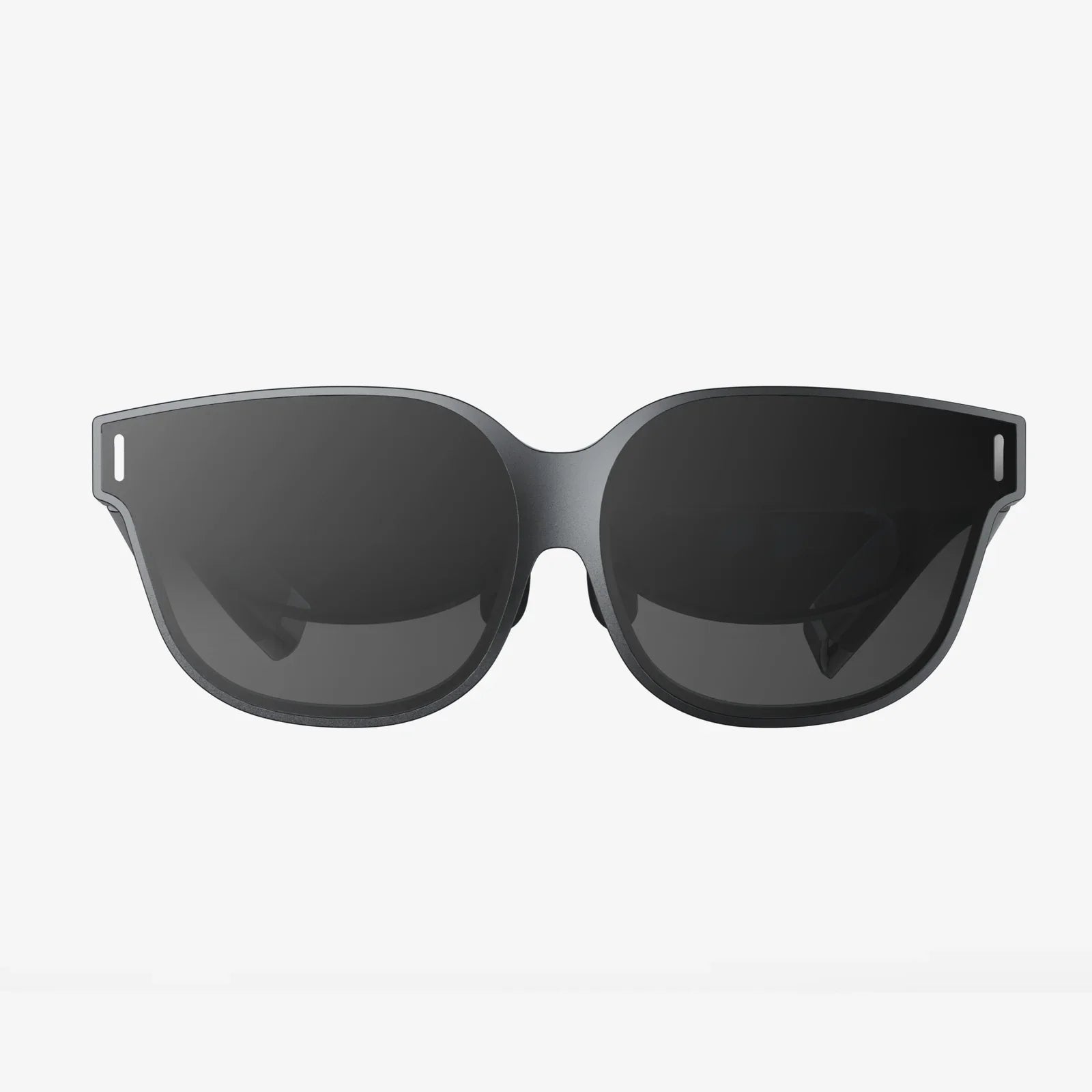
Imagine a world where your home anticipates your needs, your health is monitored continuously by invisible guardians, and the line between the physical and digital realms has all but vanished. This is not a scene from a science fiction novel; it is the reality being meticulously constructed, piece by connected piece, by smart device companies. These entities have swiftly moved from being mere gadget manufacturers to becoming the invisible architects of our daily lives, weaving a complex web of data, convenience, and dependency that is fundamentally reshaping human existence. The journey from novelty to necessity has been breathtakingly fast, and the implications are profound, touching every aspect of our society, economy, and personal privacy.
The Meteoric Rise: From Niche to Norm
The story of smart device companies is one of the most remarkable narratives in modern business and technology. Just over a decade ago, the concept of a universally connected world was a theoretical dream. Today, it is a multi-trillion-dollar global industry. This explosive growth was not a happy accident; it was the result of a perfect storm of technological advancement, consumer appetite, and strategic vision.
The foundational elements are well-known but no less critical: the proliferation of high-speed internet, the near-ubiquity of powerful smartphones acting as central hubs, and the drastic reduction in the cost of sensors and computing power. Smart device companies expertly leveraged these trends. They began by targeting obvious pain points—home security, energy efficiency, entertainment convenience—with devices that promised and often delivered simpler, more efficient living.
What began with a few connected thermostats and voice-activated speakers has since exploded into a vast ecosystem encompassing every conceivable domain. We now have smart wearables tracking our vitals, smart kitchens managing our nutrition, and smart cities optimizing our traffic flow. This rapid expansion from a few standalone products to interconnected ecosystems is the core of their strategy. The goal is no longer to sell a single product but to enroll consumers into a branded universe of services, creating a seamless and, crucially, sticky user experience that discourages switching to a competitor's platform.
The Engine Room: Data as the New Oil
If the sleek hardware is the visible tip of the iceberg, then data is its massive, submerged bulk. The primary business model for most smart device companies has pivoted from a one-time transaction for a physical product to a continuous relationship centered on data monetization. These devices are, in essence, highly sophisticated data collection terminals placed in the most intimate spaces of our lives.
Every command spoken to a smart speaker, every adjustment to a smart thermostat, and every heartbeat recorded by a fitness tracker is a valuable data point. Aggregated and anonymized, this data provides unparalleled insights into human behavior, preferences, and patterns. Smart device companies analyze this information to improve their products, train their artificial intelligence algorithms, and build detailed profiles for hyper-targeted advertising. In many cases, this data is also packaged and sold to third parties, from other technology firms to market research agencies, creating a vast and often opaque secondary market for our digital selves.
This model fuels the innovation engine but also sits at the heart of the industry's greatest controversies. The constant surveillance necessary for these devices to function raises alarming questions about privacy, consent, and the very definition of personal space in the 21st century.
The Double-Edged Sword: Convenience vs. Privacy
The central bargain offered by smart device companies is seductively simple: trade a little data for a lot of convenience. For millions, this is an acceptable and even welcome deal. The ability to control one's environment with a voice command or receive proactive health warnings offers a quality of life improvement that feels tangible and immediate. The benefits are real and powerful, promoting safety, accessibility for individuals with disabilities, and unprecedented levels of efficiency.
However, the other edge of the sword is razor-sharp. The industry's hunger for data has consistently outpaced its commitment to security and ethical data handling. High-profile incidents of data breaches, devices being hacked, and employees listening to private conversations have eroded public trust. The very microphones and cameras that provide convenience can become tools for surveillance, either by malicious actors, overreaching governments, or the companies themselves.
Furthermore, the concept of informed consent becomes murky. Lengthy terms of service agreements, written in dense legalese, are often simply accepted by users eager to start using their new device. Most people have little understanding of what data is collected, how it is used, or who it is shared with. This knowledge gap creates a power imbalance of staggering proportions, placing immense responsibility on smart device companies to act as ethical stewards of our most sensitive information—a responsibility that critics argue they have repeatedly failed to uphold.
The Ecosystem Lock-In: Building Walled Gardens
Beyond data, the other powerful tool for securing long-term revenue is the ecosystem. Leading smart device companies are no longer just building products; they are building operating systems and platforms designed to work best with their own suite of devices. This creates a powerful phenomenon known as "lock-in."
The more devices a consumer owns from a single ecosystem—a smart speaker, a smart display, a thermostat, a phone—the more valuable and interconnected that ecosystem becomes. The switching costs, both financial and practical, become prohibitively high. Moving to a competitor would mean not just replacing one device, but an entire networked system and relearning new interfaces. This strategy effectively traps consumers within a "walled garden," where interoperability with products from other companies is often limited or deliberately hampered.
This approach stifles competition and innovation from smaller players who cannot compete with the scale of these vast ecosystems. It can also lead to consumer frustration when devices that should work together seamlessly do not, simply because they bear different brand logos. The battle for the smart home is, therefore, not just a battle for device sales, but a battle for the dominant platform that will define the standards for the next generation of connected living.
The Ethical Frontier: Responsibility and Regulation
As their influence grows, smart device companies are increasingly being scrutinized not just as businesses, but as societal actors with profound responsibilities. This has thrust them into a complex ethical arena.
Key questions are now being asked: What responsibility do these companies have to ensure their products are accessible to all socioeconomic groups, preventing a "digital divide" in smart living? How should they address the environmental impact of producing millions of devices with relatively short lifecycles, often leading to e-waste? What role should they play in combating issues like digital addiction, especially when their business models may benefit from increased engagement?
This ethical vacuum is slowly being filled by government regulation. Landmark laws in various regions are beginning to set benchmarks for data privacy, security, and right-to-repair legislation. These regulations force companies to be more transparent about data collection, implement stricter security measures by design, and make it easier for consumers to repair their devices rather than replace them. For an industry accustomed to moving fast and breaking things, this new era of accountability represents a significant cultural and operational shift.
The Next Chapter: AI, Sustainability, and the Invisible Interface
The evolution of smart device companies is far from over. The next wave of innovation is already breaking, driven by advancements in artificial intelligence. AI is moving from being a tool for processing data in the cloud to the core intelligence embedded within the devices themselves. This allows for more predictive and contextual interactions, moving beyond simple command-response models to devices that truly anticipate needs.
Furthermore, the industry is pivoting towards sustainability. The initial phase was characterized by rampant consumerism and frequent hardware upgrades. The future will be defined by a circular economy: devices designed for longevity, repairability, and eventual recycling. Companies are exploring new materials, modular designs, and service models that prioritize access over ownership.
The ultimate goal for many in the industry is for the technology to disappear completely—to become an invisible, ambient intelligence that blends seamlessly into the background of our lives. The interface will shift from screens and voices to more intuitive interactions, perhaps through advancements in brain-computer interfaces or augmented reality. The device itself will fade from view, leaving only the utility and convenience it provides.
The trajectory is clear: smart device companies are on a path to becoming some of the most influential entities in the world, akin to utility providers or infrastructure builders. They are building the central nervous system for the modern world, and the decisions they make today—on privacy, security, ethics, and sustainability—will echo for generations to come. Their success will no longer be measured merely in units sold or revenue generated, but in the trust they earn and the positive impact they create within the society they are so actively reshaping.
The true measure of success for these technological titans will not be found on a balance sheet, but in their ability to navigate the delicate tightrope between unprecedented innovation and unwavering ethical responsibility. The connected world they are building holds the promise of a smarter, safer, and more efficient future, but claiming that future requires a commitment to building a foundation of trust as robust as the technology itself. The next click, voice command, or automated adjustment is not just a moment of convenience; it's a vote for the kind of world we want to live in.
Share:
Wearable Tech Comparison: A Comprehensive Guide to Choosing Your Next Device
Wearable Tech Comparison: A Comprehensive Guide to Choosing Your Next Device