


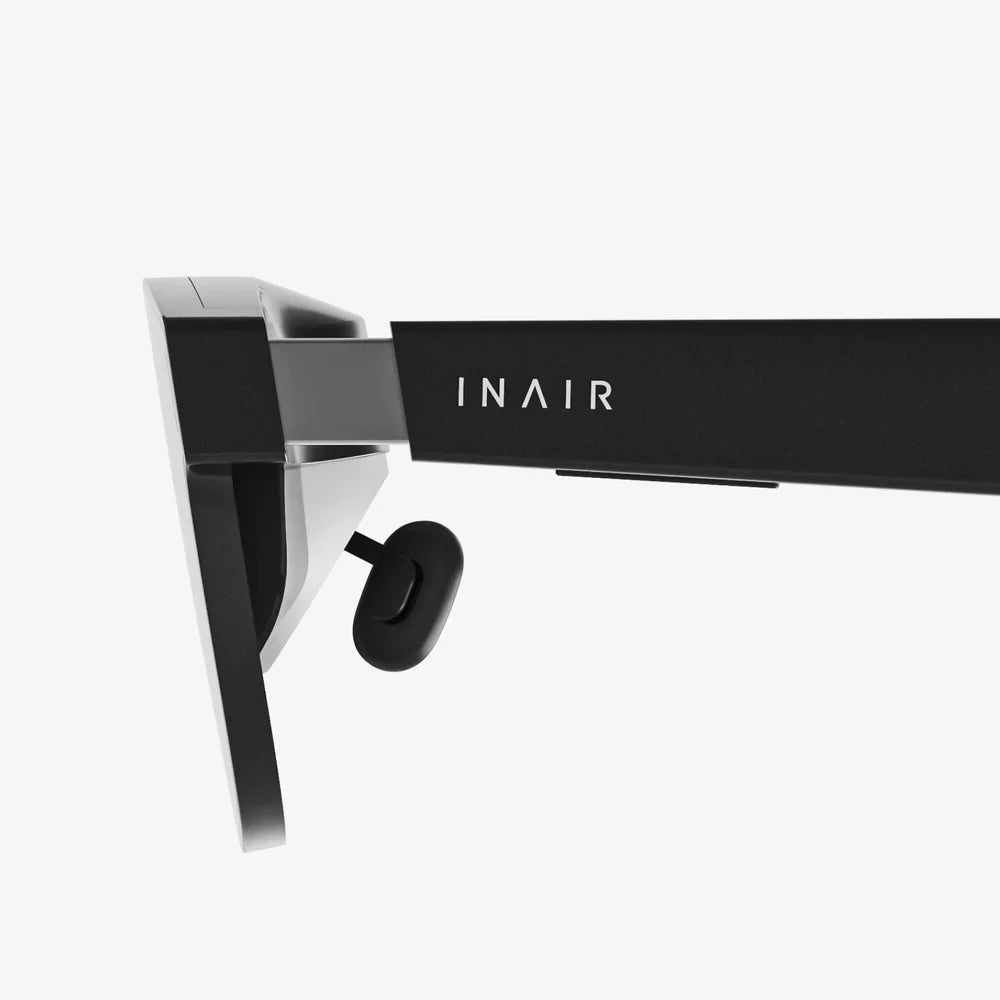
- by wangfred
Smart Device Definition: Unpacking the Core of Modern Connectivity and Intelligence
- by wangfred
Imagine a world where your environment anticipates your needs, adjusts to your preferences, and seamlessly connects you to a vast digital ecosystem—this is the promise and reality ushered in by the era of the smart device, a term so ubiquitous yet so profoundly misunderstood. To truly grasp the fabric of our modern technological landscape, we must first dissect and understand its most fundamental thread.
At its most elemental level, a smart device is a context-aware electronic gadget capable of performing autonomous computing, connecting to other devices or networks, and interacting with users in a meaningful way. This definition, however, merely scratches the surface. The intelligence of such a device is not inherent but is derived from a sophisticated interplay of several core components.
Connectivity is the non-negotiable bedrock. Without the ability to communicate, a device is merely automated, not smart. This connectivity can manifest through various protocols, including Wi-Fi, Bluetooth, Zigbee, cellular networks (4G/5G), and others. This allows the device to send and receive data, forming the nervous system of its intelligence.
Processing Power and Sensors form the brain and senses. A smart device contains a microprocessor or a small computer that executes commands and processes information. This brain is fed by a suite of sensors—thermometers, microphones, cameras, accelerometers, gyroscopes, light sensors, and more—that allow it to perceive its environment. It can 'feel' temperature, 'hear' sound, 'see' motion, and 'detect' proximity.
User Interaction is the interface of this intelligence. This can be a touchscreen, a voice assistant, a mobile application, or even automated actions based on predefined rules or learned behaviors. The device must be able to both receive input from and provide output to the user or its environment.
Autonomy and Data-Driven Action is what separates a smart device from a connected one. A truly smart device doesn't just respond to direct commands; it uses the data it collects to learn, predict, and act without constant human intervention. For example, a thermostat learns your schedule and preferences to optimize heating and cooling automatically.
The journey of the smart device is a story of escalating intelligence. The earliest incarnations were simple automated gadgets—a programmable coffee maker, for instance. They followed strict, pre-set commands without any awareness of their surroundings.
The first true leap came with the advent of widespread connectivity, particularly Wi-Fi. This allowed devices to break free from isolated operation and tap into the vast resources of the internet and local networks. Users could now control a light bulb from their phone, a novel concept that marked the birth of the modern smart home.
We are now in the midst of the second, more profound leap: the integration of artificial intelligence and machine learning. This is where data becomes the lifeblood. Instead of just executing commands, smart devices analyze patterns in the data they collect. They move from reactive tools to proactive assistants. A speaker doesn't just play music on command; it learns your musical tastes, suggests new artists, and can tell you about your day when you wake up. A vacuum cleaner doesn't just clean on a schedule; it maps your home, identifies high-traffic areas, and avoids obstacles with increasing precision.
This evolution points toward a future of ambient computing, where smart devices fade into the background of our lives. Their intelligence becomes so seamless and contextual that we stop consciously interacting with them; they simply work to enhance our environment without demanding our attention.
A single smart device can be useful, but its true potential is unlocked within an ecosystem. This is the concept of the Internet of Things (IoT), a giant network of connected physical objects. In a well-integrated ecosystem, devices talk to each other, creating complex, automated sequences of events called routines or scenes.
Consider a 'Good Morning' routine: your alarm clock triggers a cascade of actions. It signals the smart blinds to open gradually, the coffee machine to start brewing, the thermostat to adjust to a comfortable temperature, and your favorite news podcast to start playing on a speaker. No single device accomplishes this; it is the harmonious collaboration of an entire ecosystem working in concert.
This interconnectivity relies on common standards and communication protocols to ensure devices from different manufacturers can work together. The emergence of unifying standards is crucial for the continued growth and usability of smart ecosystems, preventing market fragmentation and enhancing the user experience.
The proliferation of smart devices is not a mere technological trend; it is actively reshaping human existence on personal, communal, and industrial scales.
On a personal level, they offer unprecedented convenience, efficiency, and customization. They provide peace of mind through remote home monitoring, enhance entertainment with immersive audio and video systems, and promote health and wellness through wearable fitness trackers that monitor vital signs and activity levels. For individuals with disabilities or the elderly, smart devices can be powerful assistive technologies, enabling greater independence and safety through voice control and automation.
On a communal level, smart city initiatives deploy networks of smart devices to manage urban infrastructure. Smart grids optimize electricity distribution, smart streetlights adjust brightness based on pedestrian traffic to save energy, and networked sensors monitor air quality and traffic flow in real-time, leading to more sustainable and efficient resource management.
In industry and agriculture, the impact is revolutionary. Smart sensors on factory equipment can predict maintenance needs before a breakdown occurs, minimizing downtime. In agriculture, connected sensors monitor soil moisture levels, allowing for precise irrigation that conserves water and maximizes crop yield. This industrial IoT is driving the fourth industrial revolution, often termed Industry 4.0.
This brave new world of pervasive connectivity does not come without significant risks. The very features that define a smart device—data collection, constant connectivity, and remote access—also make it a potential vulnerability.
Data Privacy is perhaps the most pressing concern. Smart devices are voracious data collectors, amassing vast amounts of highly personal information about our daily habits, routines, preferences, and even our private conversations. The question of who owns this data, how it is used, and with whom it is shared is paramount. This data can be used for benign purposes like improving services, but it can also be exploited for targeted advertising, sold to third parties, or even used for more nefarious purposes like manipulation or surveillance.
Cybersecurity is the parallel challenge. A poorly secured smart device can serve as an entry point for hackers into a home network, potentially providing access to more sensitive devices like laptops and phones. There have been documented cases of smart cameras being hacked for voyeurism, baby monitors being compromised, and even large-scale botnets created from hijacked smart devices to launch cyberattacks.
These risks necessitate a new paradigm of consumer awareness and manufacturer responsibility. Users must be diligent about changing default passwords, updating firmware, and understanding the privacy policies of the devices they invite into their homes. Manufacturers, in turn, have an ethical obligation to practice data minimization, implement strong encryption by default, and provide transparent privacy controls. The concept of 'security by design' must become a standard, not an afterthought.
The trajectory of smart device development points toward even greater integration and intelligence. We are moving toward a world of edge computing, where more data processing occurs on the device itself rather than being sent to the cloud, reducing latency and enhancing privacy. Advances in AI will lead to devices that understand nuance and context with near-human perception.
The convergence of AI, 5G connectivity, and advanced robotics will birth a new generation of devices that are not just smart but truly intelligent partners. They will anticipate needs we haven't yet articulated and solve problems we haven't yet encountered. The very definition of a smart device will continue to evolve, stretching beyond single gadgets to encompass entire intelligent environments.
This future is not predetermined. It will be shaped by the choices of developers, the regulations of governments, and the demands of consumers. The challenge ahead is to harness this incredible technology to augment human experience, promote sustainability, and foster connection, all while building a framework that fiercely protects the security and autonomy of the individual. The smart device is not just a tool; it is a reflection of our aspirations for a better-connected world, and its definition is ultimately what we choose to make it.
From a simple automated switch to an AI-powered hub that orchestrates your daily life, the smart device has rewritten the rules of interaction between humans and technology, and this revolution is only just beginning—dare to explore what comes next.