Imagine a workday that begins not with a frantic scramble for files and a blur of morning emails, but with a serene, automated environment that anticipates your needs. Your office lights gradually brighten to simulate a sunrise, your preferred morning news briefing streams effortlessly to a central display, and your first coffee is already brewed to perfection. This isn't a scene from a distant sci-fi future; it is the tangible, accessible reality ushered in by the era of smart devices for work. The professional landscape is undergoing a seismic shift, moving beyond the simple laptop and phone setup to a deeply integrated ecosystem of intelligent tools designed to eliminate friction, amplify focus, and unlock unprecedented levels of efficiency. The modern professional is no longer just digitally literate; they are environmentally connected, leveraging a symphony of interconnected devices to craft a work experience that is not only more productive but also more intuitive and human-centric than ever before.
The Foundation: Core Smart Devices Reshaping the Individual Workspace
At the heart of any smart office lies the individual workspace. This personal command center has evolved from a simple desk into a hub of intelligent interaction. The transformation begins with core devices that serve as the building blocks for a more fluid workday.
Smart displays have emerged as far more than just secondary monitors. These voice-activated hubs act as the central nervous system for a personal workspace. They can manage calendars with a simple voice command, display real-time data visualizations for ongoing projects, facilitate crisp video calls with a single tap, and control every other connected device in the room. Their always-on availability means information is perpetually at your fingertips without the need to unlock a phone or open a laptop, creating a seamless flow of information.
Ergonomics and wellness have been revolutionized by intelligent furniture. Smart desks, equipped with silent motors and memory presets, can effortlessly transition between sitting and standing heights at scheduled intervals, promoting circulation and reducing the physical strain of a sedentary day. These desks often integrate with health platforms, providing gentle reminders to move or hydrate. Similarly, smart chairs can monitor posture, offering subtle haptic feedback to correct slouching and suggesting optimal seating adjustments based on user height and weight, actively combating the physical toll of long work hours.
Even ambient environmental control has become a key player in productivity. Smart lighting systems can automatically adjust color temperature throughout the day, emitting cool, energizing blue light in the morning to enhance focus and shifting to warmer, softer tones in the afternoon to reduce eye strain and prepare the body for eventual wind-down. Paired with smart climate controls and air quality monitors, these systems ensure the physical environment is always optimized for cognitive performance and comfort, removing yet another layer of potential distraction.
Supercharging Collaboration: Smart Tech for Teams and Meetings
The shift to hybrid and remote work models has placed a premium on effective collaboration, and smart devices have risen to the challenge, transforming clunky, inefficient meetings into dynamic, inclusive experiences.
The era of the frustrating conference call is over, thanks to all-in-one smart meeting hubs. These devices combine a high-definition camera, an array of sensitive microphones with advanced beamforming technology, and a powerful speaker into a single, elegant unit. They use artificial intelligence to automatically frame all meeting participants, even as people move around the room, and to suppress background noise like keyboard clatter or rustling papers. This ensures that every participant, whether in the room or joining remotely, is seen and heard clearly, fostering a sense of presence and equality that was previously difficult to achieve.
Digital whiteboards have undergone a similar evolution. Modern smartboards are interactive surfaces that allow teams to brainstorm in real-time, regardless of their physical location. Ideas sketched in one office instantly appear on the board in another and on the devices of remote colleagues. These sessions can be saved, digitized, and distributed automatically at the meeting's end, preserving the creative energy and ensuring no insight is lost on a static, erasable surface.
Furthermore, smart room booking and occupancy sensors have eliminated the pre-meeting scramble. Employees can quickly locate and reserve an available meeting room through a central app, while sensors provide real-time data on room usage, helping organizations optimize their space. These systems can also automatically configure the room's technology upon entry—dimming lights, lowering the projector screen, and launching the video call—ensuring meetings start on time and free from technical difficulties.
The Invisible Workforce: Automation and IoT Behind the Scenes
While the user-facing devices are the most visible, a vast network of Internet of Things (IoT) sensors and automated systems works tirelessly behind the scenes to streamline operations and secure the entire work environment.
Smart security systems provide robust, seamless protection. Access control has moved beyond keycards to keyless entry via smartphones or biometric scanners, which can grant customized access levels based on the employee and time of day. Network security appliances constantly monitor data traffic for anomalies, protecting sensitive company information from increasingly sophisticated threats. This creates a security infrastructure that is both more powerful and less intrusive for the legitimate user.
Operational efficiency is supercharged by IoT sensors. In warehouses and large facilities, smart inventory systems use RFID tags and readers to track assets in real-time, drastically reducing loss and streamlining logistics. Environmental sensors can monitor server rooms for overheating or detect leaks in utility closets before they cause significant damage, enabling predictive maintenance and preventing costly downtime.
Even administrative tasks are being automated. Smart assistants can now handle complex workflows, such as processing invoices, sorting and prioritizing digital correspondence, or generating first drafts of routine reports. This automation of mundane tasks frees up human employees to focus on strategic, creative, and interpersonal work—the areas where they add the most value.
Navigating the Challenges: Security, Integration, and the Human Element
The adoption of a smart device ecosystem is not without its significant challenges. The most pressing concern is security. Every connected device represents a potential entry point for cyber threats. A poorly secured smart thermostat or video camera can be hijacked to gain a foothold in the entire corporate network. Therefore, a rigorous security-first mindset is non-negotiable. This involves segmenting networks to isolate IoT devices, enforcing strict password policies and multi-factor authentication, and ensuring all devices receive regular firmware updates to patch vulnerabilities.
Another major hurdle is integration. The market is flooded with devices from numerous manufacturers, and not all of them speak the same language. Creating a cohesive ecosystem can be a technical nightmare if devices operate on conflicting protocols or closed platforms. Professionals must prioritize devices that support open standards and have a proven track record of compatibility with other major ecosystems to avoid creating a collection of isolated, disconnected gadgets.
Finally, there is the human element. The constant notifications, data streams, and "always-on" nature of a connected office can lead to digital fatigue and information overload. The goal of these devices is to reduce cognitive load, not increase it. It is crucial to intentionally design workflows, establish clear boundaries for technology use, and cultivate a culture of digital wellness. The technology should serve the human, not the other way around. This requires ongoing training and a willingness to adapt and customize the use of these tools to fit the team's unique rhythm and needs.
The Future is Now: Emerging Trends in Workplace Intelligence
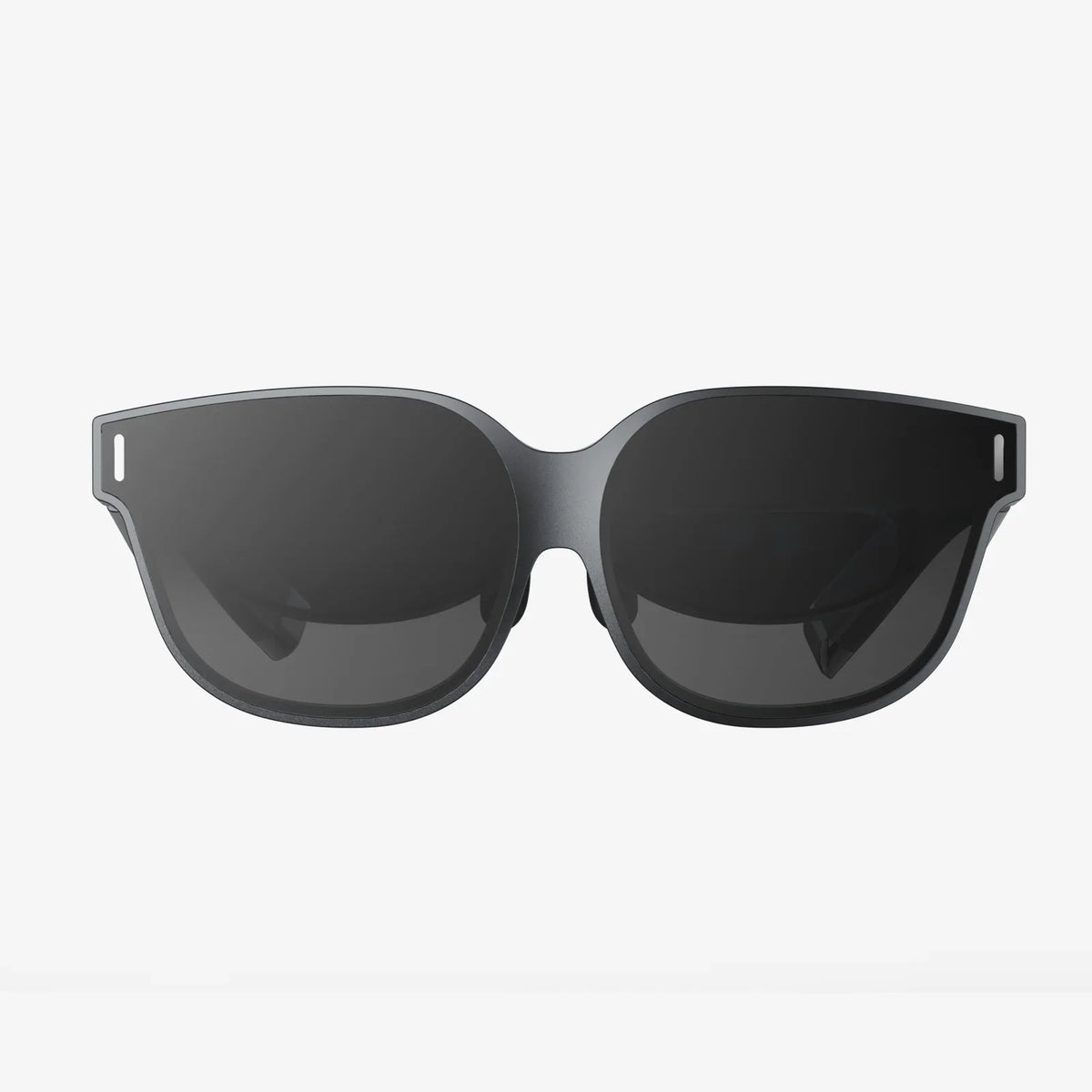
The evolution of smart devices for work is accelerating at a breathtaking pace. Several key trends are poised to define the next chapter of the intelligent workplace. Augmented Reality (AR) and Virtual Reality (VR) are moving beyond gaming and into the boardroom. Imagine putting on a pair of smart glasses to visualize 3D architectural models at scale, collaborate with holographic representations of remote colleagues, or receive hands-free, overlay instructions for complex repair tasks. This technology promises to dissolve the barriers of geography and screen-based interaction entirely.
Furthermore, the intelligence behind these devices is becoming more contextual and predictive. Instead of simply reacting to commands, future smart offices will anticipate needs. Based on your calendar, your car might suggest an earlier departure time due to traffic, your office could pre-load the relevant documents onto your display before a meeting, and the climate control might adjust itself because it knows you prefer a slightly cooler room when you are doing deep-focus work. This shift from responsive to predictive automation will mark the true arrival of a truly ambient and assistive work environment.
The focus will also intensify on holistic well-being. Future devices will likely integrate more deeply with personal health metrics, suggesting breaks based on cognitive load detected through typing patterns or recommending a walk after an extended period of sedentary focus. The workplace will become an active partner in sustaining not just productivity, but long-term health and creativity.
The revolution happening within our workspaces is not about replacing humans with machines; it is about creating a powerful synergy between human intuition and machine efficiency. By thoughtfully integrating smart devices for work, we are building environments that handle mundane tasks, mitigate distractions, and streamline logistics, thereby empowering professionals to achieve higher levels of creativity, strategic thinking, and meaningful collaboration. The tools are here, and they are waiting to transform the daily grind into a more productive, sustainable, and ultimately more human experience.