


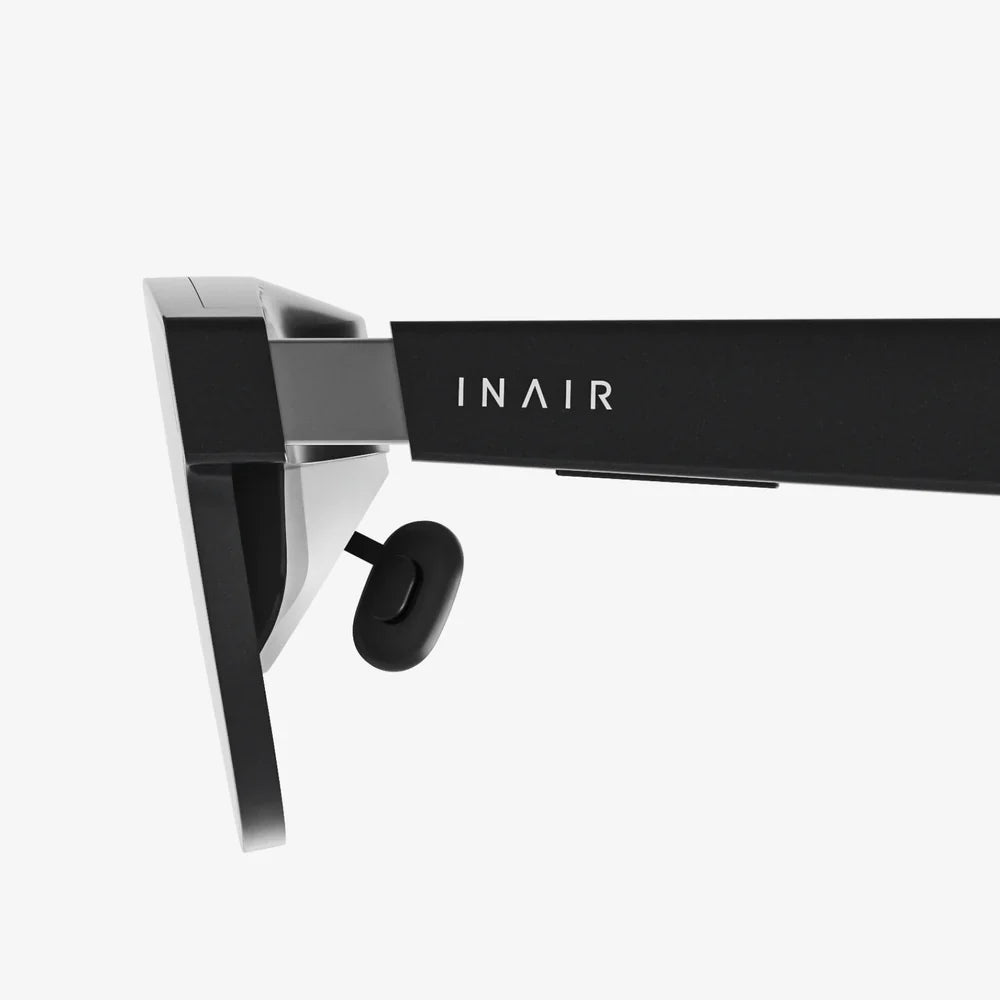
Imagine walking into your office, and before you've even poured your first coffee, the building has already optimized its energy use for the day, the inventory system has automatically flagged a best-selling item that's running low, and a seamless video conference is one simple voice command away. This isn't a glimpse into a distant, sci-fi future; it's the tangible, accessible reality offered by integrating smart devices for your business right now. The question is no longer if you should adopt this technology, but how quickly you can afford not to, as competitors leverage it to slash costs, boost productivity, and redefine customer expectations. This deep dive will unpack everything you need to know to transform your operations from analog to intelligent.
The Foundation: What Are Business Smart Devices?
At their core, smart devices for your business are interconnected tools equipped with sensors, software, and other technologies that connect and exchange data with other devices and systems over the internet. They form the physical layer of the Internet of Things (IoT), creating an ecosystem where once-dumb objects become intelligent actors. Unlike their consumer-grade cousins, these devices are built for durability, security, and scalability, designed to handle the rigorous demands of a commercial environment and deliver a clear return on investment.
This ecosystem can be broken down into several key categories:
- Environmental Controls: Smart thermostats, lighting systems, and energy meters that learn usage patterns and adjust automatically.
- Security and Access: Smart locks, video doorbells, and connected surveillance cameras that offer remote monitoring and control.
- Operational Efficiency: Smart printers, inventory trackers, and connected appliances that monitor their own status and needs.
- People and Productivity: Voice-controlled assistants for the office, smart meeting room schedulers, and air quality monitors.
- Customer-Facing Tech: Interactive kiosks, smart point-of-sale systems, and personalized digital signage.
The Tangible Benefits: Why Your Business Needs This Upgrade
The move towards a smarter workspace isn't just about keeping up with trends; it's about harnessing concrete advantages that directly impact your bottom line.
Supercharged Operational Efficiency and Cost Reduction
This is often the most immediate and measurable benefit. Smart devices automate routine tasks, freeing up human capital for more strategic work. A smart climate control system, for instance, can reduce energy bills by up to 25% by learning occupancy patterns and adjusting heating and cooling accordingly, eliminating waste from empty rooms. Smart lighting that uses motion sensors and ambient light detection can achieve similar savings. Furthermore, predictive maintenance on equipment like HVAC units or printers—where the device itself alerts you to an impending issue—prevents costly downtime and major repairs, transitioning from a reactive to a proactive operational model.
Enhanced Security and Peace of Mind
Business security is revolutionized by smart technology. You can monitor your premises in real-time from anywhere in the world via smartphone, receiving instant alerts for unusual activity. Smart locks allow for keyless entry, enabling you to grant temporary, unique access codes to cleaning crews or delivery personnel, which can be revoked instantly, eliminating the risk of copied keys. This integrated system creates a robust security layer that is both a powerful deterrent and a rapid response tool, protecting your most valuable assets: your people, inventory, and data.
Data-Driven Decision Making
Every smart device is a data collection point. This transforms vague estimations into precise analytics. A smart inventory system using RFID tags provides a real-time, accurate view of stock levels, preventing both overstocking and stockouts. Sensors can track foot traffic patterns in a retail store, revealing which products or promotions are attracting the most attention. This constant stream of data provides unparalleled insights into how your business actually operates, allowing you to make informed decisions about layout, staffing, marketing, and product placement based on hard evidence, not guesswork.
Elevated Employee Productivity and Satisfaction
A smart work environment removes friction from the daily grind. Voice-activated assistants can schedule meetings, set reminders, or pull up reports without employees lifting a finger. Smart meeting room systems that display availability and can be booked instantly end the frustrating search for a free conference room. Improved environmental controls that maintain ideal temperature and air quality have been proven to boost cognitive function and reduce sick days. By creating a seamless, comfortable, and efficient workspace, you empower your team to do their best work.
Improved Customer Experience
For customer-facing businesses, smart devices create memorable interactions. In a hotel, a guest can use their phone to check in, unlock their room, and control the ambient settings. In a restaurant, diners can place orders and pay from a tablet at their table, streamlining service. Interactive kiosks can provide product information and guides, enhancing the shopping experience without requiring additional staff. This level of convenience and personalization builds loyalty and sets your brand apart as a modern, customer-centric leader.
Implementation Strategy: A Phased Approach to Integration
Adopting smart technology can seem daunting, but a methodical, phased approach ensures a smooth and successful transition.
Phase 1: Audit and Identify
Begin by conducting a thorough audit of your current operations. Identify pain points, inefficiencies, and recurring costs. Is energy spending too high? Are inventory inaccuracies a constant problem? Is security a primary concern? Pinpointing these areas will reveal which smart solutions will deliver the highest and quickest return. Start with a single, high-impact project rather than attempting a full-scale overhaul all at once.
Phase 2: Build a Secure and Scalable Foundation
The backbone of any smart device network is a robust and secure Wi-Fi infrastructure. Ensure your network can handle the increased load of dozens of new devices. Security is paramount. Change all default passwords, create a separate network specifically for IoT devices to segment them from your core business data, and ensure any device you purchase has regular, automatic security update capabilities. This foundation is non-negotiable.
Phase 3: Select and Integrate
Choose devices that are known for reliability and strong security protocols. Prioritize interoperability—devices that work well with each other and can be controlled from a centralized platform will prevent a fragmented and frustrating experience. Train your employees on how to use the new technology effectively, emphasizing how it will make their jobs easier. Their buy-in is critical for success.
Phase 4: Analyze and Optimize
Once your devices are online, start monitoring the data they generate. Use these insights to refine your processes further. Is the data showing a new, unexpected inefficiency? Use it to your advantage. The goal is a continuous cycle of improvement, using the technology not as a one-time fix but as a living system that helps you constantly optimize your business.
Navigating Challenges: Security and Privacy Considerations
With great connectivity comes great responsibility. The primary concern for any business adopting IoT is security. A vulnerable device can become an entry point for cyberattacks, potentially leading to data breaches or ransomware incidents.
Mitigation strategies are essential:
- Vet Vendors Rigorously: Only partner with reputable providers who are transparent about their security practices and have a clear track record of issuing patches.
- Network Segmentation: As mentioned, isolating smart devices on their own network prevents a breach from spreading to sensitive financial or customer data servers.
- Strong Authentication: Enforce multi-factor authentication (MFA) on all management platforms and use complex, unique passwords for every device.
- Data Privacy Compliance: Be aware of data privacy regulations like GDPR or CCPA. If your devices collect any personal data from employees or customers, you must have clear policies on its storage, usage, and protection.
The Future is Now: The Evolving Landscape of Business IoT
The evolution of smart devices for your business is accelerating. We are moving towards even greater integration and intelligence through advancements in Artificial Intelligence (AI) and machine learning. Future devices will not only collect data but will also predict outcomes and autonomously execute complex decisions. Imagine a supply chain where smart devices not only track inventory but also predict demand shifts based on market trends and automatically place orders with suppliers. The convergence of 5G technology will also enable faster, more reliable connectivity for a massive number of devices, unlocking new possibilities in real-time data processing and remote operation. The businesses that begin this journey today will be the ones best positioned to capitalize on these advancements tomorrow.
The silent hum of a smart thermostat or the blinking light of a connected security camera represents more than just modern convenience; it signifies a fundamental shift in how a business operates. It's the sound of waste being eliminated, of productivity being unlocked, and of a foundation being built for a resilient, agile, and data-empowered future. The initial investment pales in comparison to the long-term gains in efficiency, security, and customer insight. Don't just watch the future arrive—deploy it, one smart device at a time, and watch your business transform.
Share:
Importance of AI: Reshaping Our World and Defining Our Future
Importance of AI: Reshaping Our World and Defining Our Future