


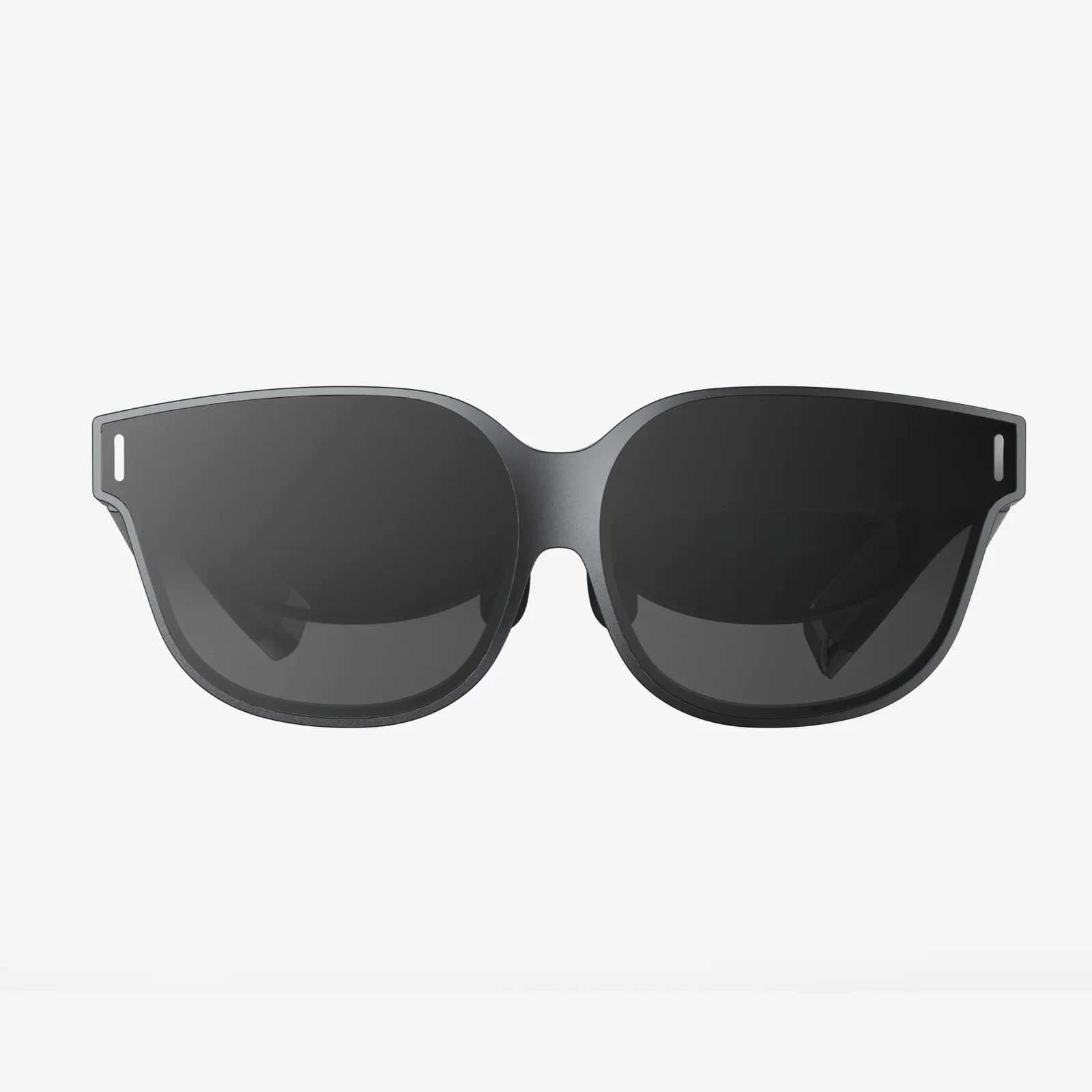
Imagine a world where your most trusted advisor, your health monitor, your communication hub, and your personal assistant are not just in your pocket but seamlessly integrated into the fabric of your daily life, worn on your body. This is no longer the realm of science fiction; it is the present reality, heralded by the rapid and relentless evolution of smart devices and wearable computers. These technologies are fundamentally reshaping our interaction with the digital world, blurring the lines between human and machine, physical and virtual, in ways we are only beginning to comprehend. The journey from clunky prototypes to sleek, powerful extensions of ourselves is a story of incredible innovation, profound societal shift, and a glimpse into a future where computing is as intimate as clothing.
The Evolutionary Leap: From Calculator Watches to Cognitive Companions
The concept of a wearable computer is not new. For decades, visionaries and technologists dreamed of miniaturizing computing power to a portable, personal scale. The path began with simple digital watches that could perform basic calculations, evolved through the era of hands-free communication devices, and has now arrived at a point of sophisticated integration. The modern smart device wearable computer is defined by several key technological convergences that have enabled its current form.
First, the miniaturization of processing power, following Moore's Law, has been paramount. Today's wearables contain system-on-chips (SoCs) that are magnitudes more powerful than the computers that guided Apollo missions to the moon, all while being smaller than a postage stamp and incredibly energy-efficient. Second, the development of advanced, low-power sensors has been a game-changer. These devices are equipped with a suite of sensors including:
- Inertial Measurement Units (IMUs): Combining accelerometers, gyroscopes, and magnetometers to track movement, orientation, and steps with astonishing accuracy.
- Optical Sensors: Using photoplethysmography (PPG) to monitor heart rate, blood oxygen levels, and even stress indicators through the skin.
- Environmental Sensors: Tracking ambient light, sound levels, and atmospheric pressure to contextualize user data.
- Bioimpedance Sensors: Measuring electrical signals to estimate body composition and other physiological metrics.
Third, the proliferation of high-speed, low-latency connectivity protocols like Bluetooth Low Energy (BLE), Wi-Fi, and eventually, 5G and beyond, allows these devices to act as a bridge between the user and the vast cloud-based intelligence of the Internet of Things (IoT). Finally, breakthroughs in battery technology and power management software have enabled these sensor-packed devices to operate for days, and sometimes weeks, on a single charge, making them truly practical for all-day, every-day wear.
Beyond the Wrist: The Expanding Ecosystem of Wearable Form Factors
While smartwatches and fitness trackers are the most visible and commercially successful examples, the category of wearable computers is far more diverse. The form factor is evolving to meet specific needs and contexts, moving beyond the wrist to other parts of the body.
- Smart Glasses and Augmented Reality (AR) Headsets: These represent the next frontier, aiming to overlay digital information onto the physical world. From displaying navigation prompts to translating text in real-time and providing hands-free instructional manuals for complex tasks, AR wearables promise to revolutionize fields from manufacturing and logistics to healthcare and entertainment.
- Smart Clothing (E-textiles): Integrating sensors and conductive threads directly into garments like shirts, socks, and shoes. This allows for a much larger surface area for data collection, enabling more accurate biomechanical analysis for athletes, continuous medical-grade monitoring for patients, and even temperature regulation for comfort.
- Hearables: Advanced wireless earbuds have transcended their role as simple audio output devices. They now incorporate accelerometers for head-gesture controls, microphones for advanced noise cancellation and voice assistant interaction, and even sensors for monitoring core body temperature.
- Implantables and Smart Patches: The most intimate category, these devices are designed for medium to long-term wear inside the body or on the skin. They can continuously monitor glucose levels for diabetics, track fertility cycles, or deliver drugs automatically, offering unprecedented convenience and life-changing management of chronic conditions.
This expansion signifies a move towards a more holistic and ambient computing environment, where technology recedes into the background, working silently and proactively to assist us.
The Engine Room: Artificial Intelligence and The Data-Driven Self
A wearable computer without intelligence is merely a data logger. The true magic, and the source of their transformative potential, lies in the sophisticated artificial intelligence and machine learning algorithms that process the torrent of raw sensor data. This is where bytes are transformed into meaningful insights.
AI models are trained on massive datasets to recognize patterns and correlations that are invisible to the human eye. They can:
- Analyze heart rate variability and sleep patterns to not just tell you you slept poorly, but to suggest a personalized wind-down routine to improve your sleep quality.
- Detect subtle irregularities in movement or gait that might indicate a high risk of a fall, alerting the user or a caregiver.
- Interpret electrocardiogram (ECG) signals to identify potential signs of atrial fibrillation, enabling early medical intervention.
- Learn your daily routines and proactively surface relevant information, like your commute time or next calendar event, without you having to ask.
This creates a powerful feedback loop. The more data the device collects, the smarter and more personalized its recommendations become. It shifts the paradigm from reactive healthcare—treating illness after it occurs—to proactive wellness, where the goal is to prevent issues from arising in the first place. We are moving from a world of episodic check-ups to one of continuous, AI-powered health companionship.
The Double-Edged Sword: Privacy, Security, and The Ethical Quagmire
The very features that make wearable computers so powerful also give rise to significant challenges. The intimate nature of the data they collect—where you go, how you sleep, your physiological state, who you talk to—creates a treasure trove for hackers and a temptation for commercial exploitation.
The privacy concerns are monumental. This is biometric and behavioral data on a scale never before seen. Who owns this data? Is it the user, the device manufacturer, or the software developer? How is it being used, aggregated, and sold to third parties for advertising or other purposes? The potential for surveillance, both by corporations and state actors, is a chilling prospect. A device designed to promote wellness could inadvertently become a tool for discrimination by insurance companies or employers based on health metrics.
Security is equally critical. A vulnerability in a wearable device is not just a leak of credit card information; it could be a leak of your real-time location or a pathway to manipulate medical data with life-or-death consequences. Ensuring end-to-end encryption, robust authentication, and transparent data governance policies is not an optional extra; it is an absolute necessity for the industry to earn and maintain public trust.
Furthermore, ethical questions abound. Will these technologies exacerbate the digital divide, creating a class of bio-enhanced individuals? How do we prevent algorithmic bias from being baked into health diagnoses? The path forward requires a robust and ongoing dialogue between technologists, policymakers, ethicists, and the public to establish clear guardrails that foster innovation while protecting fundamental human rights.
Horizon Scanning: The Future Woven Into Our Lives
The trajectory of wearable computing points towards even deeper integration. We are moving towards devices that are not just worn but are virtually unnoticeable. Research in flexible electronics, biodegradable sensors, and energy harvesting—where body heat or movement powers the device—promises a future where technology is woven into the very threads of our existence.
The next logical step is the move from wearable to embodied computing. Brain-computer interfaces (BCIs), though still in early stages, aim to create a direct communication pathway between the brain and an external device. This could restore mobility and communication for paralyzed individuals and eventually allow for a seamless control of our digital environment through thought alone.
The ultimate goal is technology that amplifies human potential without demanding our constant attention. It will be a contextually aware, anticipatory partner that enhances our cognitive and physical abilities, helps us stay healthy and connected, and allows us to be more present in our physical lives by handling the digital noise automatically. The smart device wearable computer is not just another gadget; it is the foundational technology for a new era of human experience, one where our digital and physical selves finally become one.
The data streaming from your wrist is more than just numbers on a screen; it's the pulse of a technological revolution, a real-time biography of your life waiting to be decoded. This intimate partnership between human and machine promises to unlock unprecedented levels of health, productivity, and understanding, but it also demands a new level of vigilance and responsibility. The future is not just connected; it's being worn, and it's learning more about us with every passing second. The question is no longer if you will adopt this technology, but how you will navigate the profound opportunities and challenges it brings directly to your skin.
Share:
Top Remote Desktop Clients: The Ultimate Guide to Secure and Efficient Remote Access
AR Office of Long Term Care: Revolutionizing Senior Living and Healthcare