


- by wangfred
Smart Eyewear And The Future Of Seamless Digital Vision
- by wangfred
Smart eyewear is quietly becoming the next big leap in personal technology, blending digital intelligence directly into something you already wear on your face. Imagine glancing at your friend’s contact info while you talk, translating a foreign menu in real time, or navigating a busy city without ever looking down at your phone. This is no longer science fiction. As smart eyewear evolves, it promises to change how you work, play, communicate, and even understand your own health. If you have ever wished your glasses or sunglasses could do more than correct your vision or block the sun, you are standing at the edge of a revolution you will literally see through.
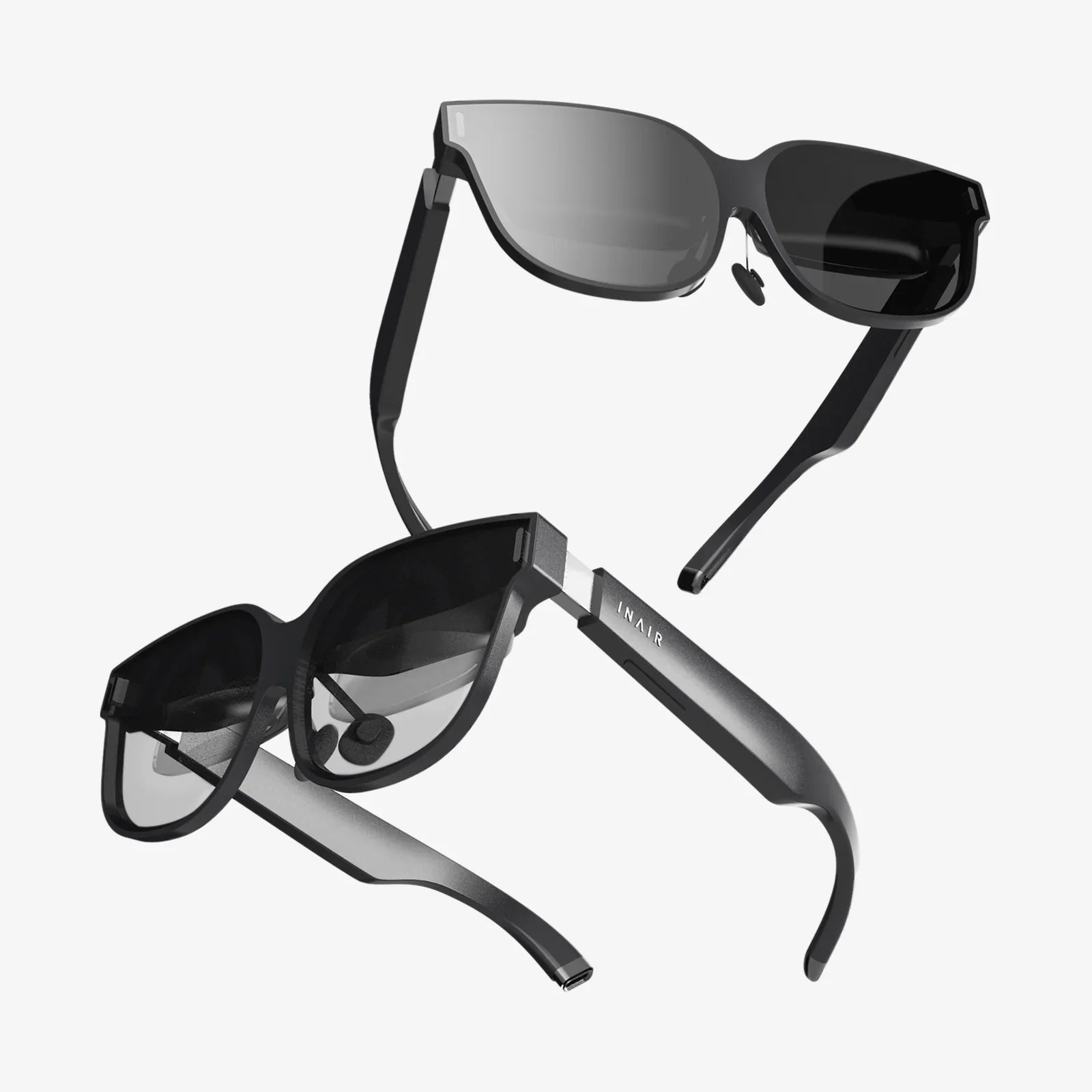
Smart eyewear refers to glasses, sunglasses, or other wearable frames that integrate digital technologies such as displays, sensors, microphones, cameras, and wireless connectivity. Instead of being passive accessories, these devices act as small computers on your face, capable of:
Some smart eyewear looks almost identical to traditional glasses, while others have a more futuristic appearance with visible frames, thicker temples, or small display modules. The goal is to bring digital content closer to your natural line of sight, reducing the need to constantly check your phone or computer.
To understand why smart eyewear is so powerful, it helps to know what is happening behind the lenses. Several core technologies work together to create an immersive, responsive experience.
At the heart of many smart eyewear devices is a tiny display that projects images into your field of view. These displays can use different approaches:
The challenge is to keep the optics small, light, and unobtrusive while delivering clear, bright visuals that work indoors and outdoors.
Smart eyewear often includes sensors that make the experience context-aware and interactive:
Smart eyewear relies on wireless connections and onboard computing power to deliver real-time experiences:
Some devices are designed as companions to your phone, while others aim for more independence with built-in computing and storage.
The promise of smart eyewear lies in its ability to weave digital information into the moments when you need it most, without demanding your full attention. Several everyday scenarios highlight its potential.
Walking through an unfamiliar city, you can see arrows overlaid at street corners, guiding you without looking down at a screen. When you approach a landmark, a brief description appears near the edge of your vision. In a train station or airport, you can receive gate updates or platform changes in real time, displayed subtly so you do not miss your surroundings.
For drivers or cyclists, smart eyewear can act as a heads-up display, showing speed, directions, and alerts while keeping eyes closer to the road. This reduces the distraction caused by constantly glancing at a dashboard or phone.
Smart eyewear can make language barriers less intimidating. When you look at signs, menus, or documents in a foreign language, the text can be translated and overlaid in your preferred language. In conversations, subtitles can appear as the other person speaks, enabling more natural interaction without constantly checking a device.
Communication also becomes more fluid. Incoming calls, messages, or meeting invitations can appear as subtle notifications. You can answer via voice commands or a quick tap on the frame, keeping your hands free for other tasks.
In professional settings, smart eyewear can transform how you access information and perform complex tasks:
By reducing the need to switch between tools and screens, smart eyewear can streamline workflows and reduce errors, especially in environments where hands-free access is essential.
Smart eyewear also opens new frontiers in entertainment. Instead of watching content on a small phone screen, you can experience virtual screens that appear as large as a home theater display, yet exist only in your field of view. You can watch movies, play games, or follow live events while still aware of your surroundings.
Augmented reality experiences can overlay characters, effects, or information onto the real world. Imagine attending a sports event and seeing live statistics floating near the players, or exploring a museum where exhibits come to life with additional layers of interactive content.
Smart eyewear can support health and fitness in subtle but impactful ways:
For individuals with specific visual or cognitive challenges, smart eyewear can offer accessibility features such as magnification, contrast enhancement, or audio descriptions of the environment.
Beyond individual scenarios, several overarching benefits explain why smart eyewear is attracting attention from both consumers and professionals.
Unlike smartphones or tablets, smart eyewear does not occupy your hands. This is especially valuable when you are cooking, repairing equipment, exercising, or commuting. You can follow recipes, instructions, or navigation cues while keeping your hands on the task at hand.
Smart eyewear aims to reduce the constant cycle of checking and re-checking handheld devices. Instead of pulling out a phone dozens of times a day, you receive only the most relevant information, presented in a way that does not dominate your attention. This can help you stay more present in conversations and activities.
Because smart eyewear is worn on your face and equipped with sensors, it can respond to your context more intelligently than traditional devices. It knows where you are looking, how you are moving, and sometimes even what you are doing. This allows it to deliver information at just the right moment and place, such as labeling tools in a workshop or highlighting the correct turn in a complex intersection.
Voice commands, subtle gestures, or small touch inputs on the frame enable discreet interaction. You can manage calls, control music, or trigger translations without making large, obvious movements or staring at a screen. This can feel more natural in social settings and less intrusive in professional environments.
For smart eyewear to succeed, it must not only be intelligent but also comfortable and socially acceptable. This means balancing technology with aesthetics and ergonomics.
Adding electronics, batteries, and optics to a pair of glasses can make them heavier. Designers must carefully distribute weight across the frame so that the device feels comfortable on the nose and ears, even after hours of wear. Excessive pressure or imbalance can cause fatigue, headaches, or reluctance to wear the device regularly.
Eyewear is a fashion statement as much as a functional tool. People choose frames that reflect their personality, face shape, and lifestyle. Smart eyewear that looks too bulky or obviously “techy” may discourage everyday use. To address this, many designs aim for subtlety, offering frame styles that resemble typical prescription glasses or sunglasses.
For many users, vision correction is non-negotiable. Smart eyewear must accommodate prescription lenses, different lens shapes, and coatings such as blue-light filters or photochromic tints. Some designs integrate prescription lenses directly, while others support clip-in or modular lens systems.
Technology should not overwhelm or confuse the wearer. Simple onboarding, intuitive controls, and clear feedback are essential. This includes:
The more natural the interaction feels, the more likely users are to integrate smart eyewear into daily life.
Any technology that can capture images, video, or audio from the wearer’s perspective raises important questions about privacy and social norms. Smart eyewear is no exception.
People around you may feel uneasy if they are unsure whether your smart eyewear is recording them. This concern is amplified in sensitive spaces such as workplaces, classrooms, or social gatherings. To address this, responsible design often includes:
Users also need to be aware of local laws and etiquette regarding recording in public or private spaces.
Smart eyewear can collect a wide range of data: location, activity, audio, and sometimes even biometric information. Protecting this data from unauthorized access is crucial. Key considerations include:
Users should treat smart eyewear with the same security awareness they apply to smartphones and laptops, including setting strong passwords and keeping software up to date.
Wearing smart eyewear in social settings introduces new etiquette questions. When is it appropriate to wear them? Should you remove them in meetings or intimate conversations? How do you signal that you are not recording?
As smart eyewear becomes more common, social norms will likely evolve. For now, transparency and consideration go a long way. Informing others when features such as recording or live streaming are active can build trust and reduce tension.
Despite its promise, smart eyewear faces several hurdles before it becomes truly mainstream.
Running displays, sensors, and wireless connections in a compact frame consumes energy. Yet, the battery must remain small and light. Many devices struggle to provide a full day of heavy use, especially when features such as continuous video recording or augmented reality overlays are active.
Innovations in low-power components, efficient software, and energy-dense batteries are critical. Features such as adaptive brightness, context-aware activation, and quick charging can also help manage power limitations.
Balancing display clarity, brightness, and transparency is challenging. If visuals are too dim, they are hard to see outdoors. If they are too bright or poorly aligned, they can be distracting or cause eye strain. Field of view is another factor: a very narrow display area may feel limiting, while a wide one is more immersive but harder to implement in a compact form.
Manufacturers must also ensure that virtual content does not obscure important real-world details, especially in situations like driving or operating machinery.
Integrating advanced optics, sensors, and processors into a small form factor is expensive. Early smart eyewear models often carry premium price tags, putting them out of reach for many consumers. Over time, economies of scale and technological advances are expected to reduce costs, but affordability remains a barrier.
For smart eyewear to reach a broad audience, there must be options at different price points, with clear value propositions for each segment.
Many people still ask: Why do I need smart eyewear if I already have a smartphone and a laptop? To justify everyday use, smart eyewear must offer experiences that are significantly better, more convenient, or more engaging than existing devices.
Compelling use cases include:
As developers create more applications that leverage the unique strengths of smart eyewear, adoption is likely to accelerate.
Smart eyewear is not a one-size-fits-all technology. Its impact varies across industries and user groups.
In healthcare settings, smart eyewear can support:
By providing real-time, context-aware information, smart eyewear can improve precision, reduce errors, and support education.
In factories, warehouses, and field service roles, smart eyewear can streamline operations:
This reduces downtime, enhances safety, and supports less experienced workers with real-time guidance.
Smart eyewear can transform learning into a more immersive, interactive experience. Students can explore virtual models, receive visual prompts during hands-on activities, or participate in remote lab sessions where instructors see what they see.
Professional training, such as aviation, engineering, or emergency response, can also benefit from realistic simulations and step-by-step overlays that reinforce correct procedures.
In retail and customer-facing roles, smart eyewear can enable:
By equipping staff with discreet, hands-free information, businesses can deliver more personalized and efficient service.
If you are considering smart eyewear, it helps to approach the decision with clear priorities. Different models emphasize different strengths, and not every feature will matter to you.
Start by identifying what you want smart eyewear to do:
Your answers will guide you toward devices optimized for either consumer entertainment, professional use, or hybrid scenarios.
Because smart eyewear sits on your face, comfort is critical. Consider:
If possible, trying on a device before committing can reveal whether it is suitable for long-term wear.
Ask yourself:
Some smart eyewear uses open-ear audio technologies that let you hear both digital audio and ambient sounds, which can be important for safety and social awareness.
Look at typical usage times for your most important features. If you plan to use augmented reality overlays frequently, ensure the device can support several hours of active use. Also consider:
Make sure you can easily control sensors and recording features:
Choosing smart eyewear that aligns with your comfort level on privacy will make everyday use more relaxed and confident.
Smart eyewear is still in a relatively early stage, but the trajectory is clear: devices will become lighter, more powerful, and more seamlessly integrated into daily life. Several trends are shaping the future of this technology.
Future smart eyewear will likely deliver more realistic and stable augmented reality experiences, where digital objects appear solid, properly lit, and anchored to the real world. Improvements in spatial mapping, depth sensing, and real-time rendering will make virtual elements feel less like overlays and more like part of your environment.
As components shrink and become more efficient, smart eyewear will look increasingly like regular glasses. Thinner frames, lighter materials, and integrated optics will reduce the “gadget” appearance, making it easier for people to wear these devices all day without attracting attention.
Smart eyewear will not replace smartphones or computers overnight. Instead, it will become part of a broader ecosystem. You might:
Seamless handoff between these devices will make your digital life feel more continuous and less fragmented.
As more developers design experiences specifically for smart eyewear, new categories of applications will emerge. These may include:
The most transformative apps may be those that are impossible or impractical on traditional screens.
Smart eyewear has enormous potential to improve accessibility for people with visual, auditory, or cognitive challenges. Future devices may offer:
By tailoring information to individual needs and contexts, smart eyewear can help more people navigate the world with confidence.
Smart eyewear is evolving from experimental gadget to practical everyday companion. Early limitations in comfort, battery life, and social acceptance are gradually being addressed, while the range of useful applications continues to grow. Whether you are a professional seeking better tools, a traveler craving effortless translation and navigation, a creator exploring new storytelling formats, or simply someone curious about the next step in personal technology, smart eyewear offers a window into a more seamless digital future.
The most compelling aspect is not just what you see on the display, but how it changes your relationship with information. Instead of pulling you away from the world into a screen, smart eyewear aims to layer digital insights onto the reality you already inhabit. The question is no longer whether this technology will mature, but how you will choose to use it when it fits your style, your needs, and your vision of what everyday life can be.