


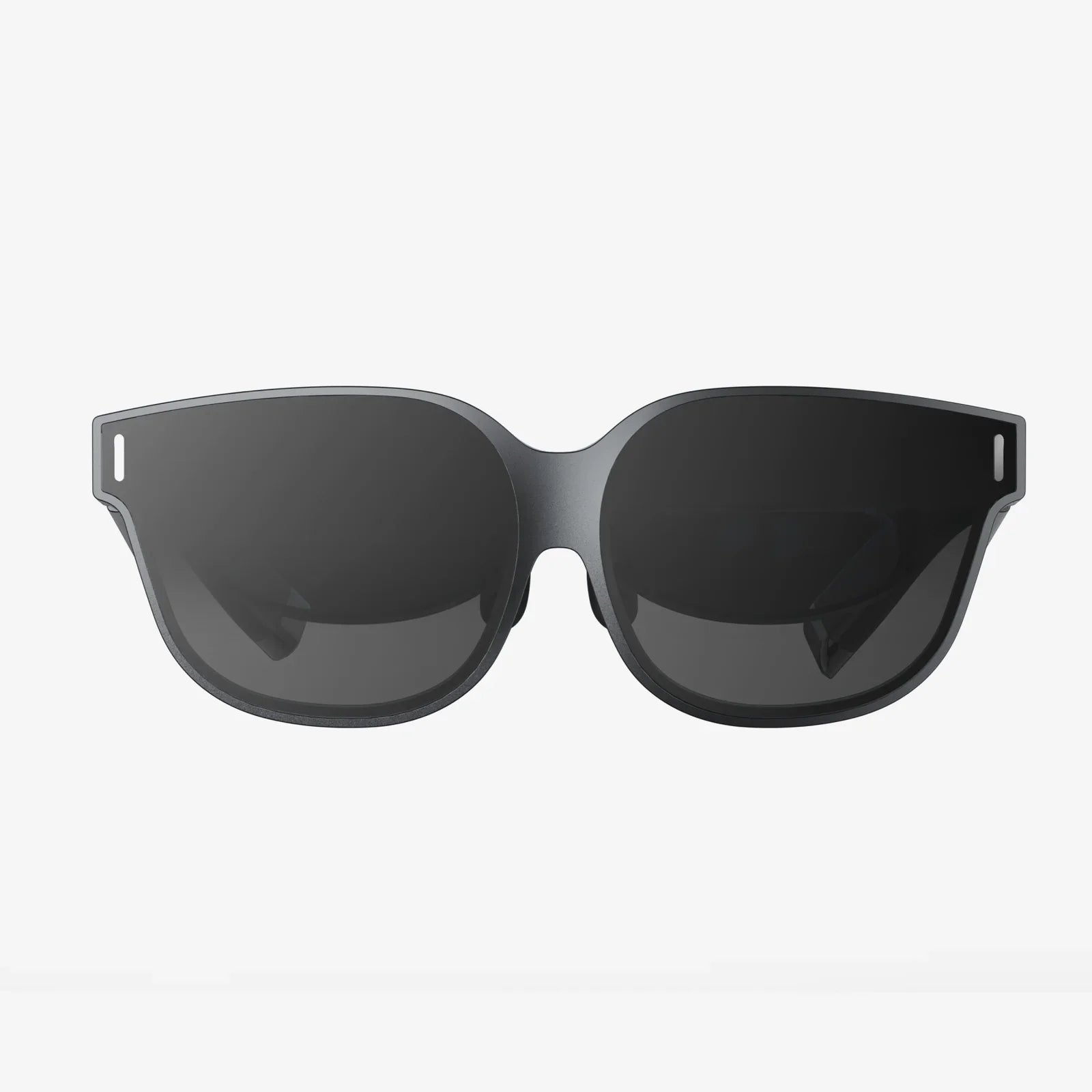
Imagine a world where information flows seamlessly into your field of vision, where digital assistants whisper guidance directly into your ears, and the boundaries between the physical and digital realms gently dissolve. This is no longer the stuff of science fiction; it is the promise of the best smart glasses of 2025, a wearable revolution poised to redefine how we interact with technology, our environment, and each other. The devices arriving this year are not just incremental upgrades; they represent a fundamental leap towards a more integrated and intuitive future.
The Evolution from Novelty to Necessity
The journey of smart glasses has been a turbulent one, marked by early prototypes that were often clunky, socially awkward, and limited in functionality. For years, they remained a niche product for tech enthusiasts and specific industrial applications. However, the landscape in 2025 is dramatically different. A convergence of technological breakthroughs has finally aligned to create a product category that is not only powerful but also desirable. The key drivers of this evolution include monumental advances in micro-display technology, allowing for brighter, sharper, and more energy-efficient visuals that can be seamlessly integrated into stylish frames. Furthermore, the miniaturization of components—from batteries to processors—has enabled manufacturers to design devices that are indistinguishable from conventional eyewear, finally overcoming the significant social hurdle that plagued earlier iterations.
Core Technologies Powering the 2025 Revolution
To understand what makes the current generation so compelling, one must look under the hood at the core technologies that define them.
Advanced Display Systems: Waveguides and MicroLED
The most critical component of any pair of smart glasses is its display. The days of bulky, prism-based projection are over. In 2025, the dominant technology is the optical waveguide. These are incredibly thin, transparent glass or plastic substrates that use diffraction gratings to pipe light from a micro-display on the temple of the glasses directly into the user's eye. The result is a crisp, bright image that appears to float in the user's natural field of view, overlaying digital information onto the real world without obstruction. Paired with these waveguides are MicroLED displays, which offer exceptional brightness, color accuracy, and contrast ratios while consuming a fraction of the power of older OLED solutions. This combination is what finally enables all-day usability in a wide range of lighting conditions, from a dimly lit office to a bright sunny day outdoors.
The Invisible Engine: AI and Machine Learning
The hardware is merely the vessel; the true intelligence lies in the sophisticated artificial intelligence and machine learning algorithms that power these devices. The best smart glasses of 2025 function as an always-on, context-aware companion. Their onboard AI coprocessors continuously analyze the world through built-in sensors and cameras (with strict privacy controls). This allows for features like real-time language translation, where subtitles for a foreign conversation appear directly below the speaker; object and text recognition, providing instant information about a landmark, menu, or document; and proactive assistance, such as reminding you of a task when you arrive at a specific location. This ambient computing paradigm means the technology works for you silently in the background, only surfacing information when it is genuinely useful.
Spatial Audio and Immersive Soundscapes
Audio is an equally important part of the experience. Advanced bone conduction and directional speaker systems have reached new heights of clarity and privacy. Instead of using earbuds, sound is directed precisely into the ear canal, allowing the user to hear music, take calls, and receive audio notifications while remaining fully aware of ambient sounds around them. This is crucial for safety and social etiquette. Furthermore, spatial audio technology creates a 3D soundscape, making virtual objects and assistants feel like they occupy a specific point in space around you, deepening the sense of immersion and making audio interactions more natural and intuitive.
Transformative Applications Across Industries
The utility of these devices extends far beyond consumer novelty. They are becoming indispensable tools across numerous professional fields.
Revolutionizing Healthcare and Medicine
Surgeons are using smart glasses to view patient vitals, MRI scans, and surgical guides hands-free in the operating room, improving precision and workflow. Medical students can observe procedures from the surgeon's point of view in real-time. For general practitioners, instant access to medical databases and the ability to teleconference with a specialist while with a patient can dramatically improve diagnostic accuracy and collaborative care.
The Future of Engineering and Manufacturing
On the factory floor, technicians can see assembly instructions, schematics, and safety warnings overlaid directly on the machinery they are repairing. Remote experts can see what the on-site worker sees and annotate their field of view with arrows and notes to guide them through complex procedures, reducing downtime and errors. This digital twin interaction is streamlining maintenance and training processes globally.
Redefining Remote Collaboration and Workspaces
The concept of the office is being reshaped. Colleagues from across the globe can project themselves as photorealistic avatars into your physical space, able to interact with virtual 3D models of products or designs as if they were right there with you. This mixed-reality collaboration eliminates the barriers of traditional video conferencing and creates a powerful new medium for creative and technical work.
Key Considerations Before You Buy in 2025
With such a rapidly evolving market, choosing the right pair requires careful thought. Here are the essential factors to evaluate.
Battery Life and the Always-On Dilemma
Battery performance remains a primary constraint. Assess your needs: do you require all-day continuous use, or are you comfortable with shorter, more intensive sessions with a compact charging case? The most advanced features, like continuous video capture or complex AR rendering, are significant power drains. Look for devices that offer adaptive power management, scaling features up or down based on your activity to maximize uptime.
The Privacy Imperative: Cameras, Sensors, and Ethics
Devices equipped with cameras and microphones understandably raise privacy concerns. The leading products in 2025 address this head-on with hardware solutions. Look for physical shutter switches that disable cameras and microphones, clearly visible indicator lights that show when recording is active, and robust on-device processing that anonymizes and encrypts data before it is ever sent to the cloud. Understanding a company's data policy is non-negotiable.
Design, Fit, and Personalization
For smart glasses to become a true everyday wearable, they must be comfortable and reflect personal style. The best offerings come in a variety of frame shapes and sizes, often with prescription lens compatibility. Consider the weight distribution, the fit on your nose and ears, and the availability of different lens options (e.g., photochromic lenses that transition to sunglasses outdoors). This is a device you will wear on your face; aesthetics and comfort are paramount.
Navigating the Ecosystem: Compatibility and Use Case
Finally, consider the ecosystem. Are you deeply invested in a particular mobile operating system? Ensure the glasses offer seamless integration with your smartphone and other devices. Most importantly, honestly assess your primary use case. Are you a professional seeking a tool for remote assistance and data visualization? A fitness enthusiast wanting heads-up metrics and navigation? Or a consumer looking for seamless notifications, music, and calls? Your primary need will dictate the best feature set for you.
Gazing into the Future: What Lies Beyond 2025?
The current generation is impressive, but it is merely a stepping stone. Research is already underway on next-generation technologies like holographic displays that could eliminate waveguides altogether, creating even more vivid and realistic digital overlays. Neural interfaces, while in early stages, hint at a future where we might control our devices with subtle intentional commands alone. The convergence of AI, AR, and a ubiquitous spatial web will eventually create a world where our digital and physical lives are not just connected, but harmoniously intertwined, with smart glasses serving as our primary window into this enriched reality.
The perfect pair of smart glasses in 2025 feels less like a piece of technology and more like a natural extension of your own capabilities. They are the quiet conductors of your digital life, orchestrating information, connection, and assistance without ever demanding you look down at a screen. They promise a return to the world in front of you, enhanced but not interrupted. The future is not on your wrist or in your pocket; it’s right in front of your eyes, waiting for you to see the possibilities.
Share:
What is AR Stand For? Unraveling the Technology of Augmented Reality
What a Digital Product Is and Why It's Redefining Our World