


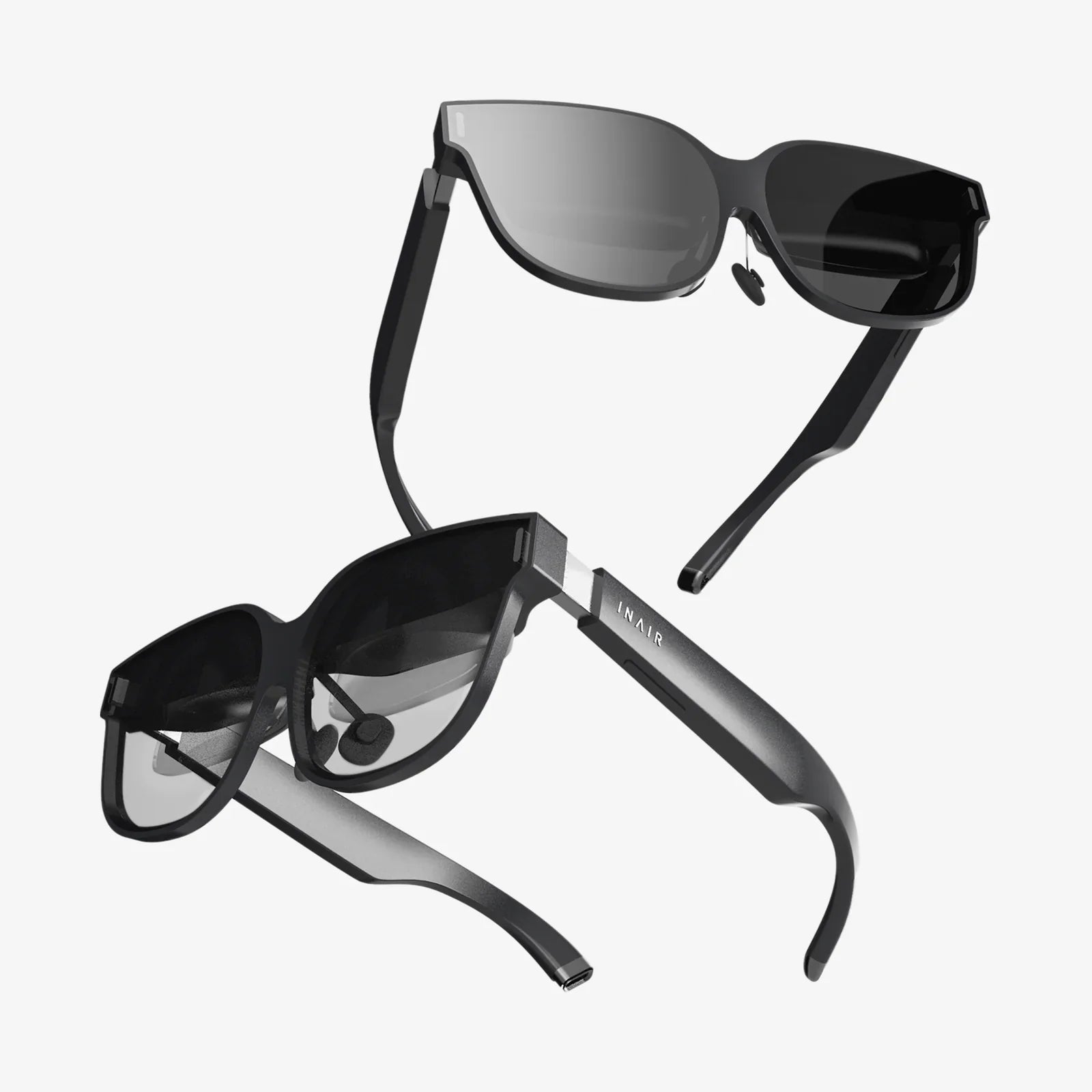
Imagine a world where digital information doesn’t live on a screen in your hand but is seamlessly painted onto the reality you see. Directions float on the street ahead, a colleague’s name hovers helpfully above their head in a crowded meeting, and your favorite song’s lyrics appear in the corner of your vision as you listen. This is the promise of smart glasses, a technology poised to revolutionize how we interact with information and each other. But with a growing number of players entering the arena, each with a different vision of this augmented future, how do you possibly choose? This deep dive into the smart glasses landscape will serve as your essential guide, comparing the core philosophies, technologies, and experiences offered by the leading brands without getting bogged down in specific model names. We’ll dissect what truly matters, helping you see clearly which path is right for you.
Defining the Spectrum: From Simple Notifications to Full Augmented Reality
Before we can compare, we must define the field. Not all smart glasses are created equal. They exist on a broad spectrum, primarily defined by their display technology and intended use case.
The Audio-First Approach
On one end of the spectrum, we find devices championed by a major player in audio technology. Their philosophy is one of subtlety and pragmatism. These frames prioritize exceptional audio quality and hands-free communication above all else. They feature discreet open-ear speakers that deliver sound directly to your ears without blocking ambient noise, making them ideal for all-day wear, taking calls, and listening to podcasts or music while staying aware of your surroundings. The "smart" functionality here is often delivered through a voice assistant, providing notifications, reading messages, and controlling music via simple voice commands. The visual element is minimal to non-existent; the focus is purely on auditory augmentation. This approach makes them less intimidating, more socially acceptable, and a fantastic entry point into wearable tech for the average consumer.
The Enterprise and Developer Focus
On the opposite end of the spectrum lies the power of true augmented reality (AR). A brand with deep roots in enterprise computing has staked its claim here with a robust, tethered device. These glasses are designed as a powerful tool, not a casual accessory. They connect to a processing unit and are built for developers, engineers, and frontline workers. They boast a high-field-of-view waveguide display that can overlay complex 3D models, schematics, and data onto the real world. Think of a mechanic seeing the internal wiring of an engine or a surgeon visualizing a patient’s anatomy during a procedure. The technology is advanced and the potential is enormous, but it comes at a cost: a higher price point, a more conspicuous design, and a battery life measured in hours, not days. This brand is building for the professional future of AR.
The Social and Lifestyle Niche
Another distinct category is carved out by a company famous for its viral camera technology. Their glasses are hyper-focused on a single, powerful function: capturing first-person point-of-view photos and short videos for social sharing. Designed to look like trendy sunglasses, they are lightweight, stylish, and incredibly easy to use. With a simple button tap, you can capture your perspective hands-free. The emphasis is on social connectivity and authentic content creation. While they may offer basic audio features, they lack a visual display for augmented reality. Their success lies in their focused utility and strong fashion appeal, making them a hit within a specific, content-hungry demographic.
The Meta-Verse Visionary
A social media and technology giant has thrown its hat into the ring with a clear, metaverse-aligned vision. Their first-generation glasses, developed in partnership with a renowned eyewear company, were a cautious step—essentially stylish sunglasses with built-in cameras and speakers for capturing content and taking calls. However, their roadmap points toward a much more ambitious future: full AR glasses capable of blending the digital and physical worlds to realize their metaverse ambitions. They are investing heavily in research on technologies like holographic optics and electromyography (EMG) to control devices through neural signals. This brand is playing a long game, building the ecosystem and foundational technology for a future where digital avatars and objects coexist with our reality.
Key Comparison Factors: What Really Matters?
When evaluating the different brand philosophies, you must weigh these critical factors against your personal needs.
Display Technology: The Window to AR
This is the heart of the experience. Most brands utilize waveguide technology, which uses microscopic gratings to "bend" light from a projector on the temple into your eye. The quality of this waveguide dictates the field of view (how much of your vision can be augmented), brightness, and clarity. Audio-first brands forgo this entirely. Enterprise-focused brands push for the largest possible field of view for complex visualizations, while others are iterating on smaller, more efficient waveguides for consumer use. The holy grail remains a photonic crystal surface that can turn an entire lens into a display, but this technology is still in development.
Design and Social Acceptability
Will you actually wear them? This is perhaps the most crucial question. The audio-first brand excels here, with frames that are nearly indistinguishable from regular eyeglasses. The social-centric brand leans into a bold, sunglasses-oriented aesthetic. The enterprise-focused device, by necessity of its advanced optics, is bulkier and clearly announces itself as a piece of technology. The ultimate success of consumer AR hinges on creating glasses that people are proud to wear, that fit comfortably, and that don’t draw unwanted attention. Brands are acutely aware of this and are on a relentless mission to shrink the technology into ever-more appealing form factors.
Battery Life and Performance
Your experience is dictated by the battery. Audio-focused glasses can last a full day or more because they are not powering a hungry visual display. Glasses with full-color AR displays, multiple sensors, and powerful processors face a significant challenge, often requiring a external battery pack to achieve a few hours of use. This trade-off is central to the current comparison. Do you want all-day auditory assistance or a few hours of powerful visual augmentation? Battery technology is a key constraint that brands are working to overcome.
The Ecosystem and Software
The hardware is nothing without the software. A brand’s ecosystem is its lifeblood. The audio-first brand integrates seamlessly with its own voice assistant and music services. The enterprise brand provides a robust SDK for developers to build specialized industrial applications. The metaverse-focused company is building an entire social platform around its device. Your choice may ultimately be influenced by which digital ecosystem you already inhabit or find most compelling. The availability of apps, from navigation and translation to gaming and remote assistance, will define the utility of your glasses.
The Future is Converging
While today’s brands occupy distinct niches, the future points toward convergence. The lines will blur. The advanced waveguide technology from enterprise applications will miniaturize and trickle down to consumers. The sleek, acceptable designs of audio glasses will become the standard form factor. The AI-powered contextual awareness from one ecosystem will merge with the immersive visual overlays of another. We are moving toward a single device that does it all: provides subtle notifications, enhances your hearing, captures your life, and overlays rich digital information, all while looking like a pair of ordinary glasses. The current brand comparison is a snapshot of a journey, with each player contributing a vital piece of the puzzle.
The race to put a computer on your face is not about a single product launch; it’s a marathon of technological innovation, design refinement, and social adaptation. The right choice today depends entirely on whether you seek an auditory co-pilot for daily life, a powerful tool for specialized work, a seamless content-capture device, or an early ticket into the next computing platform. By looking beyond the logos and understanding the core philosophies and trade-offs, you can find the pair of glasses that doesn’t just show you the future but helps you build your own.
Share:
AR Ideas: Transforming Imagination into Interactive Reality
Personalized Wearable Tech: The Future on Your Wrist and Beyond