


- by wangfred
Smart Glasses Common Mistakes: 10 Errors Every New User Must Avoid
- by wangfred
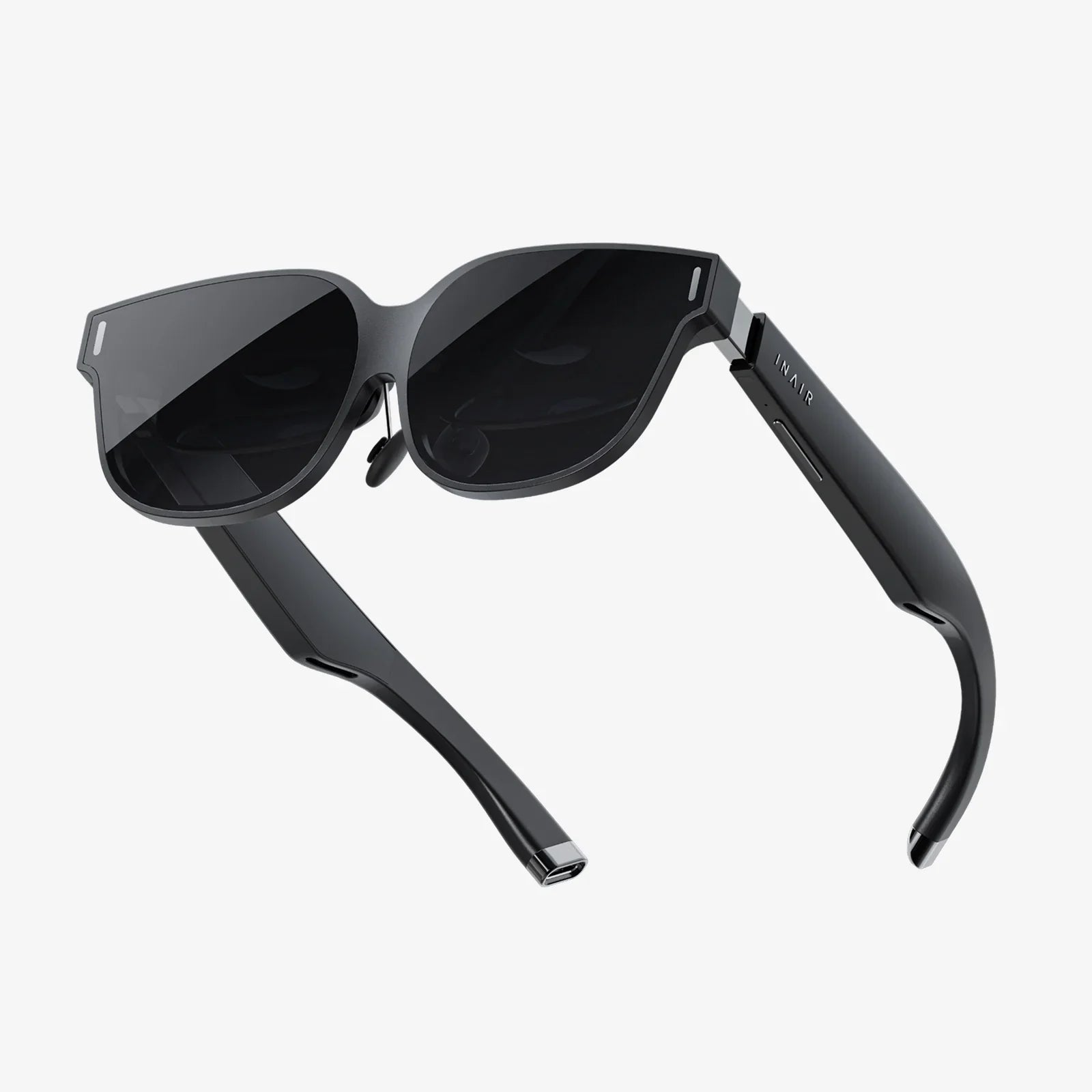
You’ve just unboxed your futuristic new eyewear, visions of a seamlessly augmented world dancing in your head, only to find the reality is a clunky interface, confused social interactions, and a device that’s more frustrating than fantastic. This disappointment isn’t a sign that the technology has failed; it’s almost always a case of user error. The journey into the world of augmented reality through smart glasses is thrilling, but it’s fraught with hidden traps that can turn a cutting-edge tool into an expensive paperweight. Navigating this new digital-physical hybrid landscape requires a new set of rules—rules most early adopters learn through costly trial and error. But what if you could skip the frustrating part? By understanding and avoiding the most common smart glasses mistakes, you can unlock their true potential and step confidently into the future, rather than stumbling into it.
This is the foundational error from which many others spring. It’s easy to see a pair of smart glasses and think, "They’re just glasses with a computer inside." This mindset leads to careless handling and unrealistic expectations.
The Problem: Traditional eyewear is a passive tool. Its primary function is optical correction or sun protection. Smart glasses, however, are an active, sophisticated computer system with a battery, processors, sensors, and delicate optical projectors. They are not something you can toss into a backpack, leave in a hot car, or clean with your shirt tail without risking significant damage or degraded performance.
The Solution: Adopt a mindset of care akin to how you would treat a premium smartphone or laptop.
This is arguably the most critical and sensitive area for smart glasses users. The ability to record video, take photos, and access information discreetly is powerful, but it introduces serious social and legal concerns.
The Problem: Unlike holding up a phone to record, smart glasses can capture audio and video surreptitiously. This can make people around you feel uncomfortable, spied upon, or violated, even if your intentions are benign. You may inadvertently record private conversations, confidential information, or simply make others feel like they are in a panopticon without their consent.
The Solution: Proactive transparency is key. You must become an ambassador for the technology.
Laws regarding single-party vs. two-party consent for audio recording vary drastically by state and country. It is your responsibility to know and follow these laws. Ignorance is not a defense.
The promise of all-day computing on your face is often the first promise to be broken by real-world usage. Many users are caught off guard by how quickly these devices can deplete their charge.
The Problem: Smart glasses pack a tiny battery into a tiny form factor. Constantly streaming video, using GPS, processing AR overlays, and maintaining a connection to your phone are all incredibly power-intensive tasks. A device marketed for "8 hours of use" might only deliver 2-3 hours of intensive AR application use.
The Solution: Smart power management is non-negotiable.
Out of the box, many devices prioritize convenience over security. Failing to dive into the settings menu is like leaving your front door unlocked in a new neighborhood.
The Problem: Smart glasses are data collection machines. They can collect everything from what you look at and where you go to audio recordings of your environment. Default settings might allow this data to be used for advertising, stored on company servers, or even be vulnerable to interception if not secured.
The Solution: Your first task should be a deep dive into the device’s privacy and security settings.
Marketing materials and sci-fi movies have set a incredibly high bar for what augmented reality should look like. New users often expect a seamless, holographic-rich world immediately, leading to disappointment.
The Problem: Current consumer-level smart glasses are not the Holodeck. The field of view is often limited (like looking through a small window), the brightness can struggle in direct sunlight, and the virtual objects may not perfectly occlude with real-world objects. Expecting Tony Stark’s J.A.R.V.I.S. interface will lead to a letdown.
The Solution: Adjust your expectations to appreciate the current "superpower" applications.
Many users, accustomed to touchscreens, try to interact with their smart glasses like a phone. This leads to fumbling for non-existent buttons and missing the point of the device entirely.
The Problem: The primary input method for most smart glasses is voice commands, often supplemented by a simple touchpad on the temple. If you are not comfortable speaking to your device or learning the subtle touch gestures, the experience becomes clunky and inefficient.
The Solution: Lean into the voice-first and gesture-first interaction model.
Smart glasses sit at the precarious intersection of technology and fashion. Prioritizing one aspect completely over the other is a recipe for regret.
The Problem: Some users buy the most technologically advanced model without considering how it looks on their face, leading to a device they feel too self-conscious to wear in public. Conversely, others choose the best-looking pair only to find its battery life, display quality, or feature set is severely lacking for their needs.
The Solution: Find the optimal balance for your lifestyle.
Smart glasses are not standalone islands of computing (with few exceptions). They are a companion device, and failing to manage that relationship cripples their utility.
The Problem: Users often blame the glasses for connectivity issues, poor call quality, or short battery life, when the root cause is actually the connected smartphone. A weak Bluetooth connection, an outdated operating system, or a phone laden with background apps can severely degrade the smart glasses experience.
The Solution: Optimize the partnership between your glasses and your phone.
The excitement of new technology can lead to using it for everything, even when it’s the wrong tool for the job. This is a fast way to drain the battery and annoy everyone around you.
The Problem: Trying to read a long article on the tiny display, watching a full-length movie with a limited field of view, or taking a hundred photos at a family event can be a subpar experience compared to using a dedicated device. It also increases the chances of committing social etiquette errors.
The Solution: Develop a sense of "contextual appropriateness."
A pair of smart glasses is a hardware platform. Its true value is unlocked by the software and services that run on it. Ignoring the ecosystem is like buying a games console and never buying any games.
The Problem: A user may only use the built-in functions and never explore the accompanying app store or web portal. They miss out on specialized applications for productivity, fitness, navigation, and entertainment that are tailor-made for an augmented interface, thus limiting their device to a fraction of its potential.
The Solution: Actively curate your collection of apps and services.
The path to seamlessly integrating smart glasses into your life isn't about having the latest hardware; it's about wielding the technology with intention, awareness, and respect. It's about understanding that you are not just a consumer but a pioneer, helping to define the social norms and best practices for a new era of wearable computing. The mistakes are easy to make, but they are even easier to avoid once you know they exist. By sidestepping these common pitfalls, you shift the narrative from one of frustration and novelty to one of genuine utility and empowerment. You stop being a person wearing a computer on their face and start being a person who sees the world—and their place in it—just a little bit smarter.