


Imagine running your favorite trail, the sun on your face and the wind at your back, but instead of constantly glancing at your wrist or fumbling for a phone, your pace, heart rate, and even the next turn on your route are projected seamlessly onto the lenses in front of your eyes. This isn't a scene from a sci-fi movie; it's the reality being ushered in by smart glasses for sports activities. This revolutionary wearable technology is poised to transform how we train, compete, and experience our favorite physical pursuits, merging the digital and physical worlds to create a new paradigm of augmented athletic performance. For athletes and fitness enthusiasts alike, the promise is immense: uninterrupted focus, unparalleled access to data, and a deeper connection to the activity itself.
The Evolution of Wearable Tech: From Wrists to Eyes
The journey to smart sports glasses began with the humble wristwatch. Fitness trackers and smartwatches democratized personal biometrics, putting heart rate monitors, GPS, and step counters on millions of wrists. They provided valuable data but at a cost: to consume that information, an athlete had to break their stride, their stroke, or their focus to look down. This disruption, however minor, creates a disconnect between the athlete and the activity. The logical next step in this evolution was to move the data into the user's line of sight, creating a heads-up display (HUD) that allows for real-time access without ever having to look away. Early attempts were clunky and limited, but advancements in micro-displays, waveguide technology, and miniaturized sensors have finally made it possible to pack powerful computing into a form factor that is both functional and, increasingly, stylish enough for active use.
Core Technologies Powering Athletic Smart Glasses
Understanding the magic behind these devices is key to appreciating their potential. Several core technologies converge to make the experience possible.
Optical Display Systems
This is the heart of the device—how information is projected onto the lens. Different approaches exist. Some models use a miniature projector that bounces light off a specially coated lens into the user's eye. Others employ more advanced waveguide technology, where light is channeled through a transparent lens etched with microscopic patterns, creating a crisp, floating image that appears to be several feet away. This minimizes eye strain and allows the user to easily focus on both the data and their surroundings.
Integrated Sensors and Connectivity
Modern smart glasses are sensor powerhouses. They typically include:
- Inertial Measurement Units (IMUs): Accelerometers, gyroscopes, and magnetometers that track movement, speed, and orientation.
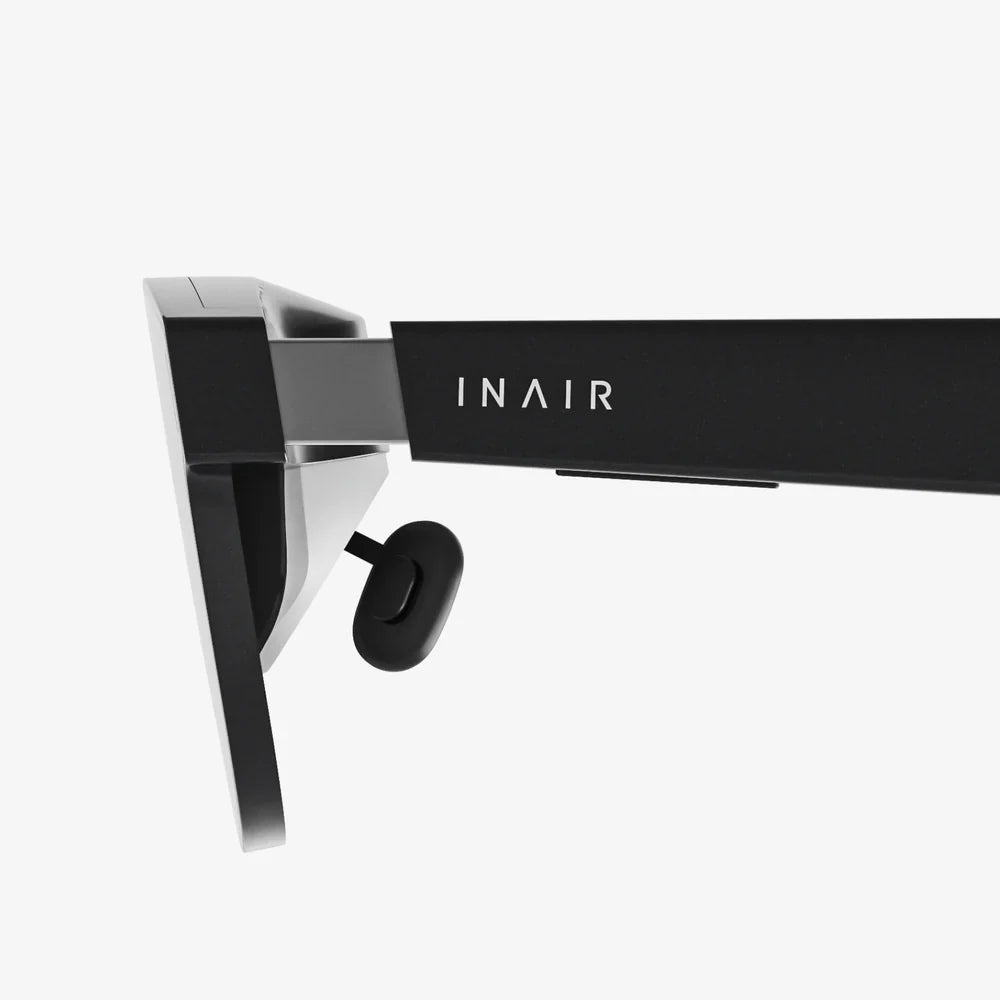
- Optical Heart Rate Monitors: Often located on the arms or nose pads to measure pulse directly from the temple.
- GPS: For precise location tracking, mapping, and pace data.
- Microphones and Speakers: For voice commands and audio feedback without headphones.
- Cameras: High-resolution cameras can capture first-person point-of-view (POV) footage of a activity for later analysis.
These sensors connect via Bluetooth to a smartphone or a dedicated sports watch, pulling in additional data to create a comprehensive picture of performance.
Battery Life and Durability
For sports use, battery life is paramount. Manufacturers face the challenge of balancing power-hungry displays and processors with the need for extended workout sessions. Many models now offer several hours of active use, with quick-charging capabilities. Durability is equally critical. Sports-grade smart glasses are built to withstand sweat, moisture (often with an IP67 or IP68 rating for water and dust resistance), and the occasional impact. Lightweight, flexible frames ensure a secure and comfortable fit during high-movement activities.
Transforming the Athletic Experience: Key Applications
The true value of this technology lies in its application. It's moving beyond simple notifications to becoming an integral training partner.
Real-Time Performance Metrics and Biofeedback
This is the most immediate benefit. Runners and cyclists can see their pace, distance, heart rate zone, and power output without glancing down. Swimmers can get lap count and interval times displayed as they turn. The constant feedback allows for more precise pace management, ensuring an athlete stays in their optimal training zone. Seeing your heart rate climb too high can prompt you to dial back the intensity, while a low reading might encourage you to push harder.
Immersive Training and Navigation
Smart glasses can turn a routine workout into an immersive experience. Imagine following a virtual coach who appears to be running ahead of you, setting the pace. Or navigating a complex network of mountain bike trails with turn-by-turn directions overlaid directly onto the path in front of you, eliminating the need to stop and check a map. For explorers and adventurers, this hands-free navigation is a significant safety and convenience feature.
First-Person Perspective Recording and Analysis
The integrated camera allows athletes to record their sessions from their own perspective. A skier can capture a full run down a mountain, a rock climber can document their technique on a difficult route, and a tennis player can record match play to analyze their form and positioning later. This POV footage is invaluable for coaches and athletes to break down technique, identify areas for improvement, and share experiences with others.
Enhanced Safety and Situational Awareness
Unlike using a phone or watch, smart glasses keep your head up and your eyes on your environment. This is a critical safety advantage for cyclists on busy roads, trail runners on technical terrain, and anyone exercising in an urban environment. Audio alerts for incoming calls or messages can be handled via bone conduction or tiny speakers that leave the ears open, allowing athletes to remain aware of ambient sounds like approaching cars or other people.
Considerations for Choosing the Right Pair
With a growing market, selecting the right smart glasses requires careful thought.
Sport-Specific Design
Not all models are created equal. A pair designed for running might prioritize extreme lightness and minimalism. Glasses meant for cycling might offer a more wraparound design for better peripheral vision and aerodynamics. Those intended for water sports will have a higher waterproof rating. It's essential to choose a design that complements your primary activity.
Display Readability and Battery Life
Consider the clarity of the display in different lighting conditions. Is it bright enough for a sunny day? Does it adjust automatically? Crucially, does the stated battery life match your typical workout duration? There's nothing worse than your digital coach dying halfway through a long run.
Data Ecosystem and Compatibility
Most smart glasses don't operate in a vacuum; they sync with a smartphone app and often integrate with popular third-party fitness platforms. Ensure the device you choose works with your preferred ecosystem for analyzing trends, sharing achievements, and creating structured workouts.
Fit and Comfort
This might be the most important factor. If the glasses are uncomfortable, slippery, or cause pressure points, you simply won't wear them. Look for adjustable nose pads, flexible temple arms, and perhaps even interchangeable lenses for different light conditions.
The Future of Augmented Athletics
The technology is still in its relative infancy, but the trajectory is clear. We can expect to see even more advanced augmented reality experiences, such as virtual race opponents who adapt to your pace, or complex training data visualized as interactive 3D models overlaid on your field of view. Improved biometrics, like blood oxygen saturation monitoring and advanced fatigue analysis, will provide even deeper insights. As artificial intelligence becomes more integrated, your smart glasses could evolve into a true AI training partner, offering real-time form correction, strategic advice during a race, and dynamically adaptive workout plans. The line between the physical effort and digital intelligence will continue to blur, creating a future where every athlete has a personalized, immersive, and data-rich environment to help them perform at their absolute best.
The potential of smart glasses extends far beyond a simple gadget; it represents a fundamental shift in the athlete-technology interface. This isn't about replacing the raw, visceral joy of sport with a screen, but about enhancing it—removing friction, providing insight, and unlocking levels of performance and understanding that were previously impossible. The next time you lace up your shoes or pump up your tires, the most powerful tool you bring might not be in your pocket, but on your face, ready to project a world of possibility right before your eyes.
Share:
Why Augmented Reality Device Is the Next Evolutionary Leap in Human-Computer Interaction
Wearable Tech Trends 2025: The Invisible Revolution Reshaping Our Daily Lives