


- by wangfred
Smart Glasses Policy News: Navigating the New Frontier of Wearable Tech Regulation
- by wangfred
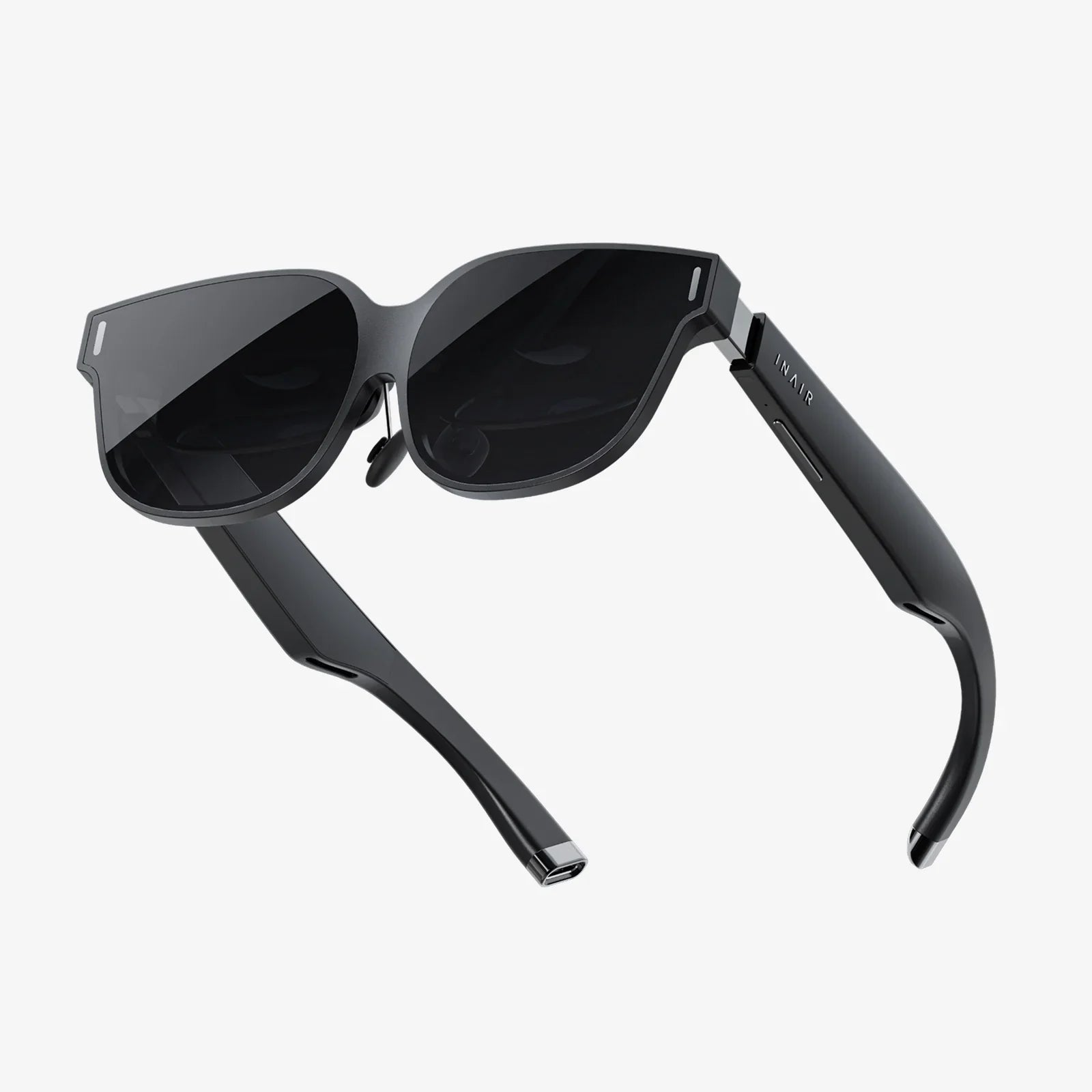
The sleek, futuristic frames perched on a nose no longer signify just a need for vision correction; they are a powerful portal to a digitally augmented world, a wearable computer that promises to reshape how we work, socialize, and perceive reality itself. But as this technology transitions from science fiction to store shelves, a critical and complex question emerges from the corridors of power worldwide: how do we govern it? The latest smart glasses policy news reveals a global scramble to create a regulatory framework that fosters innovation while protecting fundamental rights, a balancing act that will define the next decade of human-computer interaction.
For years, smart glasses existed in a regulatory gray area. Early iterations were seen as novelties or niche developer tools, largely flying under the radar of lawmakers. However, as the technology has matured—boasting higher-resolution displays, more sophisticated sensors, always-on connectivity, and advanced AI—its potential for both benefit and disruption has become impossible to ignore. Policymakers from Brussels to Washington, from Beijing to Canberra, are now actively drafting, debating, and deploying legislation specifically aimed at this new category of device.
This shift in focus is driven by a dawning realization: smart glasses are fundamentally different from smartphones. Their always-on, hands-free nature and their first-person perspective make data collection more pervasive and less obtrusive. A phone is taken out of a pocket to record; smart glasses can record with a wink or a voice command, often without the knowledge of those being recorded. This unique capability is the central concern fueling the current wave of smart glasses policy news.
At the heart of nearly all recent regulatory discussions is the paramount issue of privacy. The core challenge legislators face is updating traditional consent models for a world where recording devices are worn like ordinary apparel.
Recent legislative proposals have suggested geofencing technology that automatically disables recording features in sensitive locations like locker rooms, courtrooms, or places of worship, representing a techno-legal solution to a social problem.
Beyond what is recorded, regulators are deeply concerned with what happens to the data. Smart glasses are a treasure trove of sensitive information, including biometric data (through eye-tracking), location history, and daily routines. A data breach from a smart glasses platform could be far more damaging than a leaked email list.
Consequently, emerging smart glasses policy news increasingly highlights mandates for:
These security requirements are becoming non-negotiable components of market access in many jurisdictions, pushing manufacturers to prioritize security in their design philosophy.
One of the most active fronts in the smart glasses policy news cycle is the workplace. Employers see immense potential for efficiency gains in fields like logistics, manufacturing, field service, and healthcare. Imagine a technician receiving schematics overlaid on machinery or a warehouse worker having hands-free inventory guidance.
However, employee advocates and labor regulators are raising red flags. Policies are being crafted to address:
We are already seeing the first lawsuits and union grievances related to wearable tech in the workplace, forcing a rapid evolution in corporate policy and labor law.
There is no single, unified approach to smart glasses regulation. Different regions are adopting starkly different philosophies, creating a complex patchwork for international companies to navigate.
This global divergence means that a smart glasses model sold in Berlin may have features disabled or modified compared to the same model sold in Dallas or Delhi, based on local policy mandates.
crafting effective smart glasses policy is incredibly challenging because lawmakers are trying to hit a moving target. Technology evolves faster than legislation. Therefore, the most effective policies are those built on adaptable core principles rather than rigid, technology-specific rules.
Experts suggest future regulations should be:
The goal is not to stifle innovation but to channel it responsibly. Clear, sensible rules can actually boost consumer confidence and adoption, creating a larger, more stable market for manufacturers.
The conversation happening today in government chambers will determine whether the augmented future is one of empowerment and wonder or one of suspicion and division. The latest smart glasses policy news isn't just dry legal updates; it's the blueprint for a new layer of reality itself, and everyone has a stake in its design. The frames may be worn on our faces, but the foundation of this revolution is being built in the pages of legislation and policy documents, ensuring that as we step into this bright new world, our fundamental values step right along with us.