


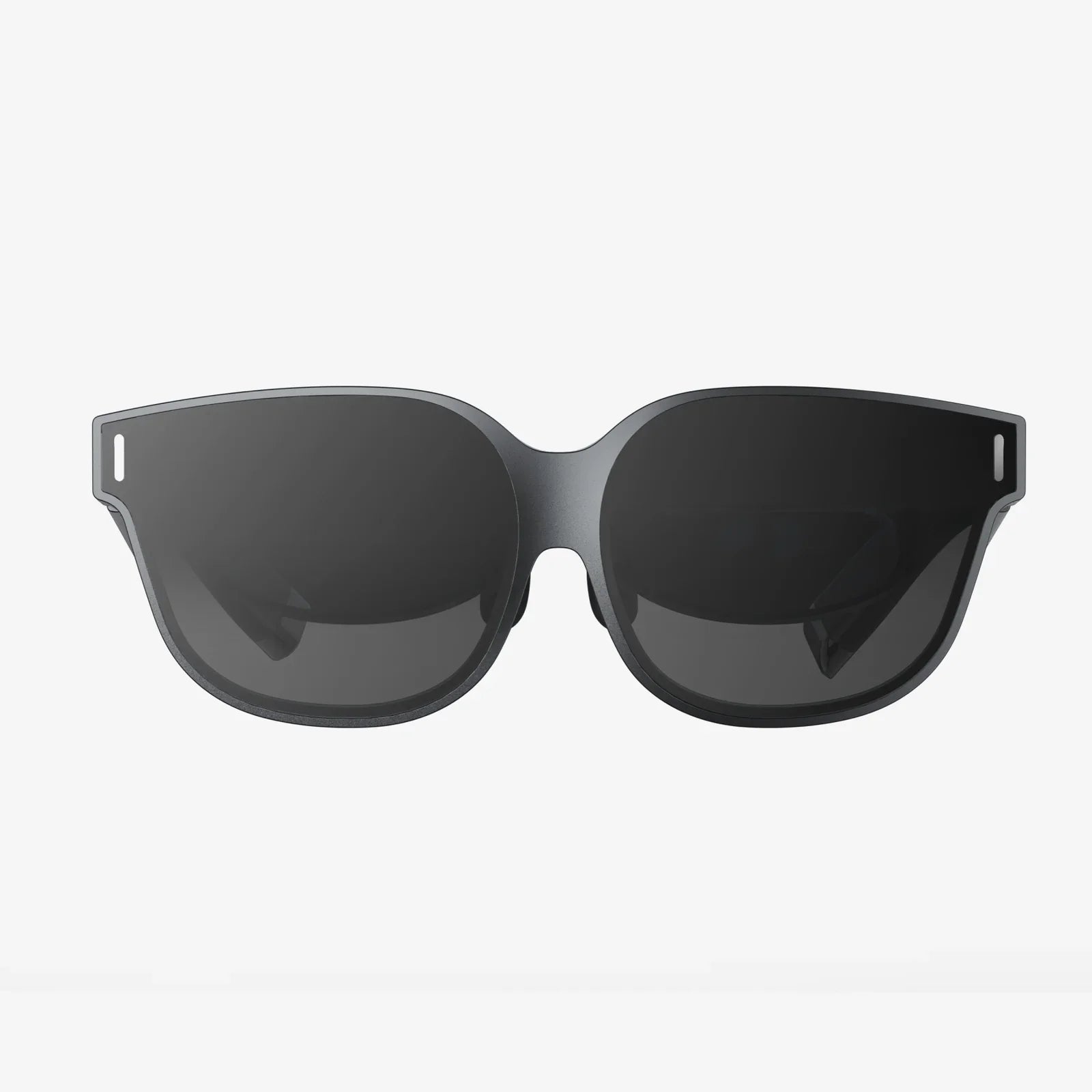
- by wangfred
Smart Glasses Price Turkey: A 2024 Buyer's Guide and Market Analysis
- by wangfred
Imagine walking through the historic Grand Bazaar in Istanbul, and with a simple voice command, real-time translations of ancient inscriptions appear before your eyes, or directions to the best baklava shop overlay your view of the bustling streets. This is the promise of smart glasses, a technology that is steadily moving from science fiction to mainstream reality. For tech-savvy consumers in Turkey, the question is no longer if but when and how much to join this wearable revolution. The smart glasses price in Turkey is a complex equation, influenced by a myriad of factors from global tech trends to local economic conditions. Navigating this market requires insight, and understanding what you're really paying for is the first step toward a smart investment in your digital future.
The price tag on a pair of smart glasses is far from arbitrary. It's a reflection of the sophisticated technology packed into a seemingly simple frame. Consumers in Turkey encounter a wide range of prices, and breaking down the components behind this cost is crucial.
Display Technology: The core of the smart glasses experience is the display. Basic models may utilize simpler LED indicators or monochrome displays for notifications, keeping costs lower. Mid-range devices often employ OLED micro-displays that project information onto a lens. The pinnacle of current technology is waveguides and advanced augmented reality (AR) optics that seamlessly blend digital content with the real world. These advanced optical systems are complex and expensive to manufacture, contributing significantly to a higher smart glasses price in Turkey for premium models.
Processing Power and Memory: Just like a smartphone, smart glasses contain a processor, RAM, and storage. Devices offering basic notification mirroring from a phone require minimal internal hardware. However, standalone AR glasses that process data, run applications, and understand the environment through on-device artificial intelligence demand powerful, miniaturized chipsets. This increased computational power is a major driver of cost.
Sensor Suite: The magic of context-aware AR comes from a suite of sensors. High-end models are equipped with high-resolution cameras, depth sensors, inertial measurement units (IMUs) for tracking movement, microphones for voice commands, and sometimes LiDAR scanners for precise environmental mapping. Each additional sensor adds to the component cost and the complexity of the software required to make them work in harmony.
Design and Materials: Unlike other tech gadgets, smart glasses are worn on the face and are a fashion statement. Manufacturers invest heavily in designing frames that are lightweight, comfortable, and aesthetically pleasing. The use of premium materials like titanium, custom acetate, or flexible alloys increases durability and style but also the final price. Furthermore, offering interchangeable lenses (prescription, sun, blue light filtering) adds another layer of customization and cost.
Battery Life and Technology: Powering a miniature computer on your face is a significant engineering challenge. Longer battery life often requires a larger, more advanced battery, which can impact the design and weight. Efficient power management systems are key, and this R&D is factored into the product's cost.
Understanding the smart glasses price in Turkey requires looking beyond the global manufacturer's suggested retail price. Several local economic factors directly impact what consumers pay at checkout.
Exchange Rate Fluctuations: The vast majority of smart glasses are imported. Their prices are highly sensitive to the exchange rate between the Turkish Lira and major currencies like the US Dollar and the Euro. A weakening Lira can lead to sudden and significant price increases as importers adjust their costs to maintain margins.
Customs Duties and Taxes: Turkey imposes customs duties and Value Added Tax (VAT) on imported electronics. These taxes are applied to the cost-insurance-freight (CIF) value of the goods, meaning the product's value plus shipping and insurance costs. This layer of taxation is a fixed percentage that directly elevates the final consumer price.
Importer and Retailer Margins: Local distributors and retailers add their own markup to cover operational costs, logistics, marketing, and profit. The competitiveness of the local market can influence this margin. In a market with fewer authorized distributors, prices may be higher due to reduced competition.
Official vs. Gray Market: Consumers may encounter products sold through unofficial "gray market" channels. These are devices imported outside of the manufacturer's authorized supply chain. While they might be offered at a lower initial smart glasses price in Turkey, they often come with significant risks: lack of manufacturer warranty, potential incompatibility with local software or networks, no after-sales support, and the possibility of receiving used or refurbished devices sold as new.
The market can be broadly segmented into three tiers, each with its own price range and value proposition.
Entry-Level (Basic Connectivity): This tier consists of glasses focused on minimalistic functionality. They typically connect to a smartphone via Bluetooth and provide features like audio calls, music playback, and basic notification alerts (calls, messages) through a small built-in speaker or bone conduction technology. They may have a small LED light to indicate status but lack a true visual display. Prices in this category are the most accessible.
Mid-Range (Enhanced Features and Displays): This is a growing category that offers a more integrated experience. Devices here feature a monochrome or color micro-display that shows information like navigation directions, weather, or message previews. They often include a better camera for photos and videos, improved microphones, and longer battery life. They strike a balance between functionality, style, and cost, representing a significant step up in capability from entry-level models.
High-End (Full Augmented Reality): This tier represents the cutting edge. These are true AR glasses with transparent waveguides that overlay rich, interactive digital graphics onto the user's real-world view. They are often standalone devices with powerful processors, extensive sensor arrays for spatial mapping, and sophisticated hand or voice interaction. Designed for developers, enterprise users, and early adopters, these glasses command a premium price that reflects their advanced technology and R&D costs.
When evaluating the smart glasses price in Turkey, it's vital to consider the long-term costs associated with owning the device.
Accessories: The base unit is rarely the end of the spending. Essential or desirable accessories can add to the total cost. This includes:
Software and Subscriptions: While many core functions are free, some advanced features or premium applications may require a monthly or annual subscription fee. Enterprise-focused software for remote assistance or complex data visualization often operates on a subscription model.
Insurance and Repairs:
These are sophisticated and delicate pieces of electronics. Repairing a broken frame or a cracked display module can be very expensive. Investing in extended warranty coverage or insurance can mitigate this risk but adds to the upfront or ongoing cost of ownership. The smart glasses market is dynamic, and several trends could influence future pricing strategies in Turkey. Technological Advancements and Economies of Scale: As components like waveguides and micro-LED displays become more common and are produced at a larger scale, their manufacturing costs are expected to decrease. This could lead to a gradual reduction in the price of high-end features, making them more accessible to a broader audience. Increased Competition: The market is attracting more players, from established tech giants to innovative startups. This increased competition will put pressure on companies to offer more compelling features at competitive price points, potentially benefiting consumers. Focus on Enterprise vs. Consumer: In the near term, the most advanced and expensive AR technology may remain focused on enterprise and industrial applications where the return on investment is clear (e.g., in manufacturing, logistics, or healthcare). The consumer market may see more iterative improvements in mid-tier devices until the technology matures further. Local Economic Trajectory: The long-term stability of the Turkish Lira and the country's import policies will remain a decisive factor. Any significant improvements in economic conditions and currency stability would positively affect local pricing. For a Turkish consumer, purchasing smart glasses should be a careful and researched decision. Here is a practical checklist: The journey to finding the perfect pair of smart glasses is an exciting venture into the next era of personal computing. While the smart glasses price in Turkey is influenced by a unique set of global and local factors, armed with the right knowledge, you can cut through the complexity. This isn't just about buying a gadget; it's about investing in a new lens through which to see and interact with the world around you. The future is putting on a pair of glasses, and that future is closer than it appears.The Future of Pricing: Trends to Watch
Making an Informed Decision in the Turkish Market
Share:
3D Glasses for Video Games: The Ultimate Immersion Guide
Best Video Glasses 2015: A Vision of the Future