


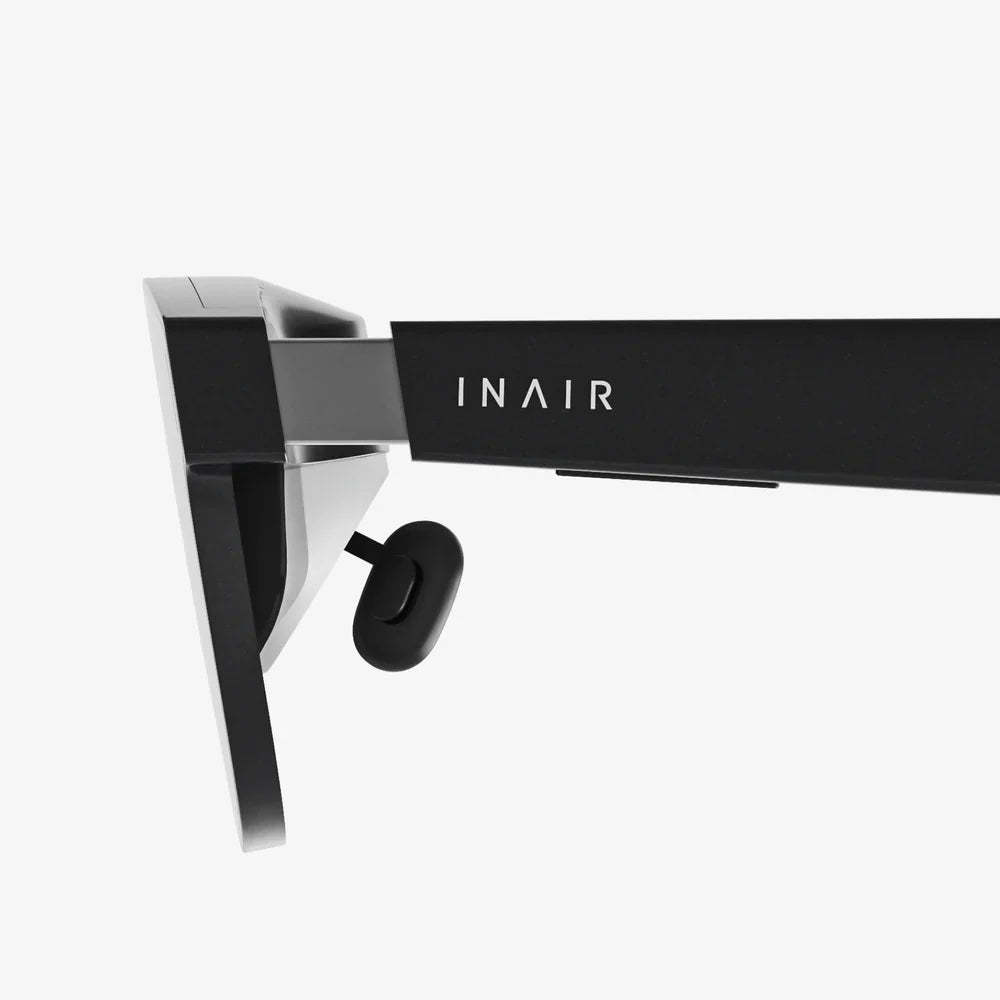
Imagine you're walking through the city, your favorite playlist setting the rhythm for your stride, when an important call comes through. Instead of fumbling for a phone or untangling wires, you simply tap the frame of your glasses and start a conversation, your music pausing seamlessly. This isn't a scene from a sci-fi movie; it’s the reality offered by the latest generation of wearable technology. Smart glasses that take calls and play music are no longer a futuristic concept but a present-day accessory, blending the digital and physical worlds in a way that feels both magical and intuitive. They represent a significant leap towards a future where technology integrates seamlessly into our lives, enhancing our experiences without demanding our full attention or isolating us from our surroundings.
The Evolution of a Vision: From Novelty to Necessity
The journey of smart glasses began with ambitious projects that promised augmented reality overlays and a complete reimagining of computing. While those grand visions are still developing, a more pragmatic and immediately useful application has surged to the forefront: audio. The current iteration of smart glasses is less about what you see and more about what you hear. This shift in focus has unlocked their true potential for mass adoption. By prioritizing auditory experiences—taking calls and playing music—these devices solve genuine everyday problems. They offer a hands-free, wire-free solution for communication and entertainment, addressing the clutter and inconvenience of traditional headphones while maintaining a connection to the environment. This evolution from visual augmentation to sophisticated audio wearables marks a critical maturation of the technology, making it accessible, practical, and desirable for a much broader audience.
How Do They Actually Work? The Tech Demystified
At first glance, smart glasses for audio look like a slightly thickened pair of premium sunglasses or eyeglasses. The magic, however, is hidden within the arms, or temples, of the frames. This is where miniature engineering marvels come into play.
Bone Conduction Technology: Some models utilize bone conduction audio. This technology works by sending vibrations through the bones of your skull directly to your inner ear, bypassing the eardrum. Tiny transducers located near the temples vibrate subtly to create sound. The key advantage is that your ear canals remain completely open, allowing you to hear ambient noises like traffic, conversations, and announcements with perfect clarity. This makes them exceptionally safe for outdoor activities like running or cycling.
Open-Ear Audio (Directional Speakers): A more recent and popular innovation involves miniature directional speakers. These are tiny, powerful speakers embedded in the arms that beam sound directly into your ears. Advanced acoustic engineering ensures the sound is focused and clear for you, while minimizing sound leakage to those around you. Like bone conduction, this method keeps your ears completely free and unobstructed.
The Internal Components: Packed into the slim arms are a host of components:
- Bluetooth Chip: The essential connector that pairs the glasses with your smartphone, tablet, or laptop.
- Battery: A compact, rechargeable battery is discreetly fitted, typically offering between 6 to 12 hours of continuous music playback or call time.
- Microphone Array: Multiple microphones are strategically placed to pick up your voice clearly during calls. Beamforming technology and noise suppression algorithms help isolate your voice from background wind and noise, ensuring call quality is crisp for the person on the other end.
- Touch Controls: Capacitive touch surfaces on the arms allow you to control playback, adjust volume, answer calls, and activate voice assistants with simple taps and swipes.
- Voice Assistant Integration: Direct access to your phone's native voice assistant (like Siri or Google Assistant) means you can get directions, send messages, or set reminders hands-free.
Beyond the Convenience: The Profound Benefits
The ability to take calls and play music is just the surface-level functionality. The real value of these glasses lies in the profound benefits they deliver to daily life.
Unmatched Situational Awareness: This is arguably the most significant advantage over traditional headphones and earbuds. Whether you're a city dweller navigating busy streets, a runner on a trail, or a professional who needs to be aware of their surroundings in an office or warehouse, open-ear audio is a game-changer for safety and spatial consciousness.
All-Day Comfort and Reduced Fatigue:
Unlike earbuds that can cause ear canal fatigue or headphones that create pressure and heat around the ears, smart glasses distribute their weight evenly across your nose and ears. For those who already wear prescription lenses, integrating audio into a frame they need anyway eliminates the need for an additional device. The comfort factor allows for all-day wear without the typical discomfort associated with in-ear alternatives. Seamless Multitasking and Productivity: The hands-free nature of the device unlocks new levels of efficiency. You can listen to a podcast or conference call while cooking, doing household chores, or working on a project without having to stop to adjust a device. For professionals, being able to take calls while typing on a laptop or referencing physical documents feels incredibly natural and fluid. While the technology is impressive, it's important to have realistic expectations. Smart glasses for audio represent a different type of listening experience, not necessarily a superior one in all contexts. Audio Quality vs. High-End Headphones: If you are an audiophile seeking pristine, immersive, high-fidelity sound with deep, thunderous bass, these are not the devices for you. The open-ear design inherently sacrifices some sound quality and bass response, especially in very noisy environments. They are designed for clarity and convenience, not for critical listening sessions. Privacy in Public Spaces: While technology minimizes leakage, it doesn't eliminate it entirely. In a perfectly quiet room, someone sitting very close to you might be able to faintly hear your music or call. For private conversations, you'll still want to find a quiet space. Battery Life is Finite: You are adding another device to your daily charging routine. While battery life is continually improving, it's a factor to consider, especially for long trips or days away from a power source. Style and Fit: Unlike a pair of earbuds that are hidden, these are a visible accessory. Finding a frame style that suits your personal aesthetic and a fit that is comfortable for all-day wear is crucial. The current capabilities are just the beginning. The trajectory of this technology points towards even deeper integration into our digital ecosystems. We can expect to see advancements in biometric sensors that monitor health metrics like heart rate, more sophisticated active noise cancellation for calls, and even more compact designs with longer battery life. Furthermore, as augmented reality platforms mature, the audio glasses of today could become the gateway device, adding a contextual audio layer to the world around us—imagine walking through a museum and hearing commentary about the exhibit you're looking at, all through your glasses. The convergence of audio, style, and connectivity is redefining what we expect from our wearable technology. Smart glasses that take calls and play music have successfully carved out a essential niche by offering a liberating blend of convenience, awareness, and subtle style. They free us from the wires and the isolation of earbuds, allowing us to stay connected to our digital lives without being disconnected from the physical world. This isn't just a new way to listen; it's a new way to experience the world around you, with your soundtrack seamlessly integrated and your conversations always within easy reach. The next time your phone rings, your answer might literally be right in front of your eyes.Considerations Before You Buy: It's Not All Perfect
The Future Sound: What's Next for Audio Glasses?
Share:
Smart Glasses Features and Benefits: A New Vision for the Digital Age
Glasses for Video Conferencing: The Ultimate Guide to Looking and Seeing Your Best