


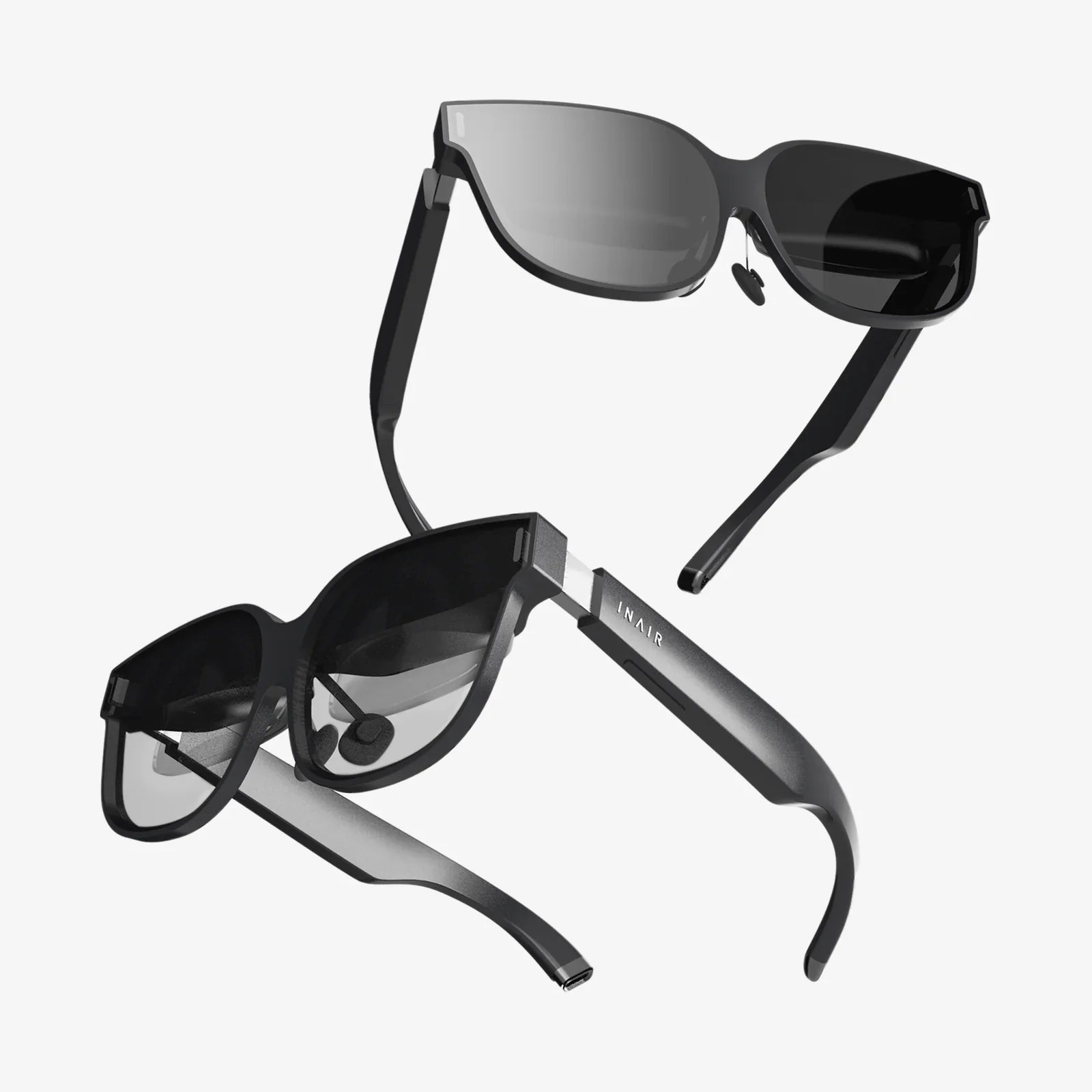
Imagine a day where your digital world seamlessly overlays your physical reality from the moment you wake up until you finally close your eyes at night, without a single anxious glance at a charging icon. This isn't a distant sci-fi fantasy; it's the promise held by the 2025 generation of smart glasses, a promise built on the most crucial and hard-won feature of all: unparalleled, all-day battery life. For years, the potential of augmented reality eyewear has been tethered, quite literally, to a power bank, stifling true mobility and freedom. But a seismic shift is underway. The relentless pursuit of efficiency has finally borne fruit, transforming smart glasses from a niche gadget into a viable, all-day companion. The race is no longer just about who has the most impressive display or the sleekest design; it's about who can power those innovations from sunrise to sunset and beyond. This is the new frontier, and it’s changing everything we thought we knew about wearable technology.
The Battery Life Revolution: Beyond the Milliamp Hour
To understand the 2025 landscape, one must first look past the simple specification of a larger battery. The quest for endurance has become a sophisticated, multi-front war fought with advanced chemistry, intelligent software, and revolutionary power-sipping components.
The Power Core: Advanced Battery Technologies
The heart of the endurance revolution lies in the cells themselves. While lithium-ion technology continues to be refined, offering higher energy densities in slimmer form factors, 2025 has seen the maturation of solid-state battery technology in consumer electronics. These batteries are not only safer but also boast a significantly higher energy density, meaning more power can be stored in the same physical space. Furthermore, they support faster charging cycles, often achieving a full day's power in under 30 minutes, mitigating the impact of those occasional forgetful moments.
The Silicon Brain: Ultra-Low-Power Processors
A bigger battery is useless if the device guzzles power like a thirsty engine. The introduction of dedicated, ultra-low-power co-processors has been a game-changer. These chips are specifically designed to handle always-on, background tasks—such as processing audio for your voice assistant, monitoring sensors for contextual awareness, and managing basic notifications—while drawing a minuscule amount of power. The main, more powerful processor only kicks into high gear for demanding tasks like immersive AR applications or high-fidelity video playback, creating a drastic reduction in idle power consumption.
The Intelligent Power Manager: Adaptive Software
Hardware is nothing without smart software to manage it. The operating systems powering 2025's best smart glasses feature deeply integrated, AI-driven power management systems. These systems learn from your usage patterns. Do you primarily use your glasses for notifications and navigation during your commute, but rely on them for detailed schematic overlays at a specific worksite? The software will pre-allocate power accordingly, dynamically adjusting display brightness, processing load, and connectivity (Bluetooth, Wi-Fi, GPS) to ensure power is spent only where and when it's needed. This adaptive approach is arguably more impactful than any single hardware upgrade.
Defining "All-Day" Battery Life: Real-World Expectations
The term "all-day battery" is often thrown around loosely. In 2025, for smart glasses, it has a defined meaning tied to specific, realistic usage scenarios. It's crucial to differentiate between mixed usage and specific, power-intensive tasks.
The Standard Mixed-Use Benchmark
For the leading models, the benchmark for all-day use is now a minimum of 12 to 16 hours of mixed usage. This includes:
- Continuous connection to a smartphone via Bluetooth Low Energy.
- Regular reception and interaction with notifications (texts, emails, calls).
- Several hours of audio playback or podcast listening via built-in speakers.
- Periodic use of voice assistant for queries and commands.
- Occasional use of basic AR features like translation overlays or simple navigation prompts.
- Approximately 30-60 minutes of camera use for photos or short video clips.
This usage pattern comfortably covers a full waking day for most professionals and consumers.
High-Intensity Usage and Its Toll
It's important to be realistic. Activities that engage the high-resolution waveguide displays for extended periods, record high-bitrate video continuously, or run complex, graphical AR applications will deplete the battery much faster. In these scenarios, even the best devices might last 3-6 hours. However, the key differentiator in 2025 is that this high-performance mode is a choice, not the default state that drains your device during casual use.
Features That Thrive with Extended Endurance
Long battery life isn't just a convenience; it's an enabler. It unlocks the true, always-available potential of smart glasses features that were previously hampered by power constraints.
Always-Available Voice Assistant
With power no longer a primary concern, your AI assistant can truly be always listening and contextually aware. It can proactively provide information based on your location and schedule, translate conversations in real-time during a full day of international meetings, and take audio notes on command without the user worrying about conserving juice for later.
Seamless Audio Integration
Smart glasses are positioned as the ultimate open-ear audio solution. With all-day power, they can seamlessly replace your headphones for calls, music, and podcasts, allowing you to stay connected to your environment without the hassle of earbuds that need constant recharging. The audio experience becomes a persistent, yet unobtrusive, layer of your day.
Continuous Health and Environmental Sensing
Advanced sensors can now run perpetually. This enables sophisticated health monitoring like all-day readiness scoring based on pupil response and ambient light exposure, real-time UV monitoring, and air quality alerts. This transforms the glasses from an communication device into a true health and wellness guardian.
Effortless Content Capture
The anxiety of "should I record this and waste battery?" is gone. With a full day of power, users can capture photos and short video clips spontaneously throughout their day, documenting life from a first-person perspective without the mental calculation of power budgets.
The Trade-Offs: Balancing Power, Form, and Function
The pursuit of battery life does not come without engineering challenges. Manufacturers are constantly balancing three key factors: endurance (battery life), form factor (weight and style), and functionality (display brightness, processing power).
The Weight Consideration
More battery capacity traditionally meant more weight, leading to uncomfortable glasses that caused fatigue. In 2025, this is addressed through distributed battery systems. Instead of one large cell in the temple, power is split into smaller, strategically placed cells—often in both temples and across the bridge—to better distribute weight and maintain a balanced, comfortable feel reminiscent of high-end traditional eyewear.
Thermal Management
All electronic devices generate heat, and managing this is critical for both user comfort and component longevity. Efficient, low-power components naturally generate less heat. Combined with passive cooling systems integrated into the frame materials, the best 2025 models remain cool to the touch even during extended use, a significant improvement over earlier generations.
Future-Proofing Your Purchase: What to Look For
When evaluating the smart glasses with the best battery life in 2025, look beyond the advertised "hours" number. Consider these key aspects:
- Adaptive Power Modes: Does the device offer customizable power profiles (e.g., Travel, Work, Extended AR) that you can trigger based on your activity?
- Charging Ecosystem: Is the charging solution convenient? Look for compact, fast-charging cases that can provide multiple full charges on the go, or universal charging standards like USB-C for maximum flexibility.
- Software Update Policy: Battery optimization is heavily software-dependent. Choose a manufacturer with a proven commitment to providing regular, long-term software updates that can further refine power management over time.
- Repairability and Longevity: Battery degradation is a reality. Investigate whether the company offers a battery replacement service to extend the functional life of your investment, ensuring your "all-day" battery remains that way for years to come.
The horizon of wearable computing is no longer dimmed by the fear of a dying battery. The leading smart glasses of 2025 have shattered the old limitations, offering a level of endurance that finally matches our daily rhythms. This isn't just an incremental improvement; it's the fundamental key that unlocks the true potential of augmented reality as a persistent, helpful, and invisible layer on our world. The best device will be the one you forget you're wearing—not because it lacks capabilities, but because it works so effortlessly and consistently that it simply becomes a natural part of your perception, powered from your morning coffee to your evening wind-down without a second thought.
Share:
10 Smart Devices That Are Revolutionizing Modern Living
Best VR Headset for Glasses Users: A Comprehensive Guide to Uncompromised Immersion