


- by wangfred
Smart Glasses With Longest Battery Life: A Comprehensive Guide to All-Day Wear
- by wangfred
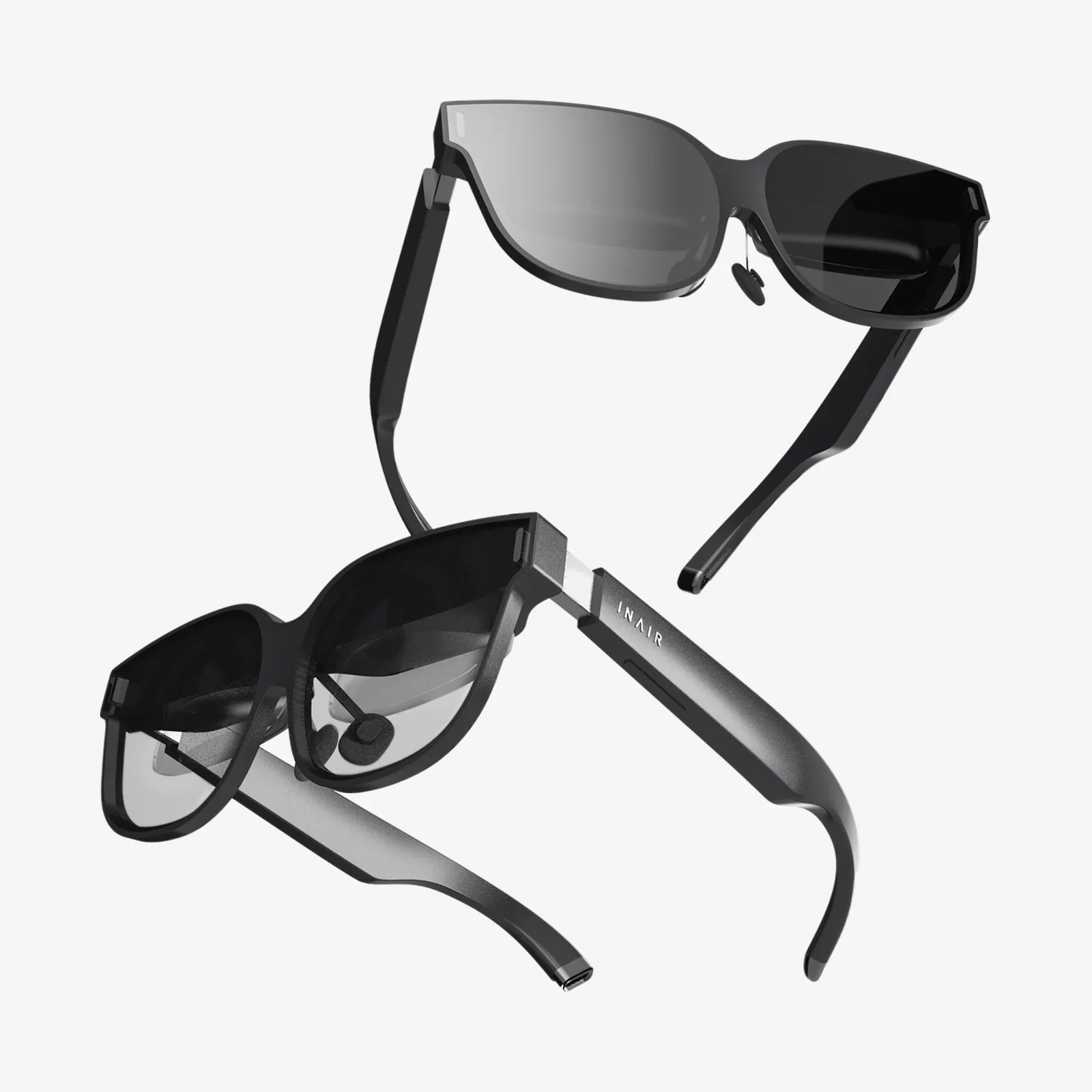
Imagine a day where your digital world seamlessly overlays your physical reality, from your morning commute to your late-night workout, without ever searching for a power outlet. This isn't a distant sci-fi fantasy; it's the promise held by the current generation of wearable technology, specifically smart glasses engineered for marathon battery performance. For consumers and professionals alike, the single greatest barrier to adopting this transformative tech has shifted from clunky design to a fundamental question: will they last? The quest for smart glasses with the longest battery life is more than a spec sheet competition; it's about achieving true, uninterrupted integration of augmented reality into our daily lives.
The evolution of smart glasses has been a story of miniaturization and power management. Early prototypes were often tethered to a bulky battery pack, defeating the very purpose of lightweight, mobile eyewear. Today, the focus is intensely on creating a self-contained device that can endure a full waking day, and sometimes even longer, on a single charge. This pursuit defines the cutting edge of the industry, separating novelty gadgets from indispensable tools.
Achieving a long battery life is not the result of a single magic bullet but a sophisticated symphony of hardware and software optimization. Manufacturers employ a multi-faceted approach to squeeze every minute of operation from their devices.
At the core is the battery itself. While the search for new energy-dense materials continues, most current models utilize advanced lithium-polymer or lithium-ion cells. The key is not just the raw capacity, measured in milliampere-hours (mAh), but how that capacity is integrated. Designers face a constant trade-off: a larger battery provides more power but adds significant weight and bulk, compromising comfort. The most successful designs are those that find the perfect equilibrium, embedding a sufficiently large cell into the arms of the glasses without making them unwearable.
The display is typically the most power-hungry component. To combat this, engineers have developed incredibly efficient micro-displays. Waveguide optics, for instance, allow for a minimalistic display system that projects information directly into the user's eye with very little light loss, requiring less power from the underlying LED or laser source. Some implementations use MicroLED technology, known for its high brightness and exceptional power efficiency compared to traditional OLED or LCD screens, ensuring that the core visual function doesn't become a drain on resources.
Modern smart glasses often feature a System-on-a-Chip (SoC) designed explicitly for low-power operation. These processors are engineered to handle the specific tasks required for AR—sensor data processing, simple graphics rendering, and voice command recognition—without the excessive power draw of a full smartphone processor. Many utilize a co-processing architecture where a ultra-low-power core handles basic functions like notification alerts, only waking the more powerful main processor for intensive tasks like navigation or video playback.
Perhaps the most significant gains come from intelligent software. Sophisticated power management algorithms are the unsung heroes of battery life. These systems can:
It's crucial to understand what "longest battery life" means in practical terms. Battery performance is never a single number; it varies dramatically based on usage patterns.
When comparing specs, look for detailed breakdowns of battery life under different conditions, not just a single optimistic maximum figure.
Ownership of a device with long battery life also involves practices to maintain that performance over the years.
The innovation in this space is relentless. The next frontier looks beyond simple battery optimization to revolutionary new ways of powering devices. Research is ongoing into solar cell integration on the lenses and frames, allowing for trickle charging throughout the day. Kinetic energy harvesting, which converts movement into small amounts of electrical power, is another area of exploration. Furthermore, the development of solid-state batteries promises even greater energy density in a safer, smaller package, which could ultimately lead to smart glasses that can run for days on a single charge while becoming lighter and more comfortable than ever before.
The true potential of augmented reality will only be unlocked when the technology fades into the background of our lives. We are on the cusp of that reality. The relentless engineering focus on creating smart glasses with the longest possible battery life is the key that unlocks a world of seamless information, effortless communication, and enhanced perception, all day, every day, without the nagging anxiety of a dying battery. The future isn't just bright; it's powered up and ready to go.
Share:
Where to Buy Vital Smart Glasses - Your Ultimate Sourcing Guide
Smart Glasses Best Models: A Comprehensive Guide to the Future on Your Face