


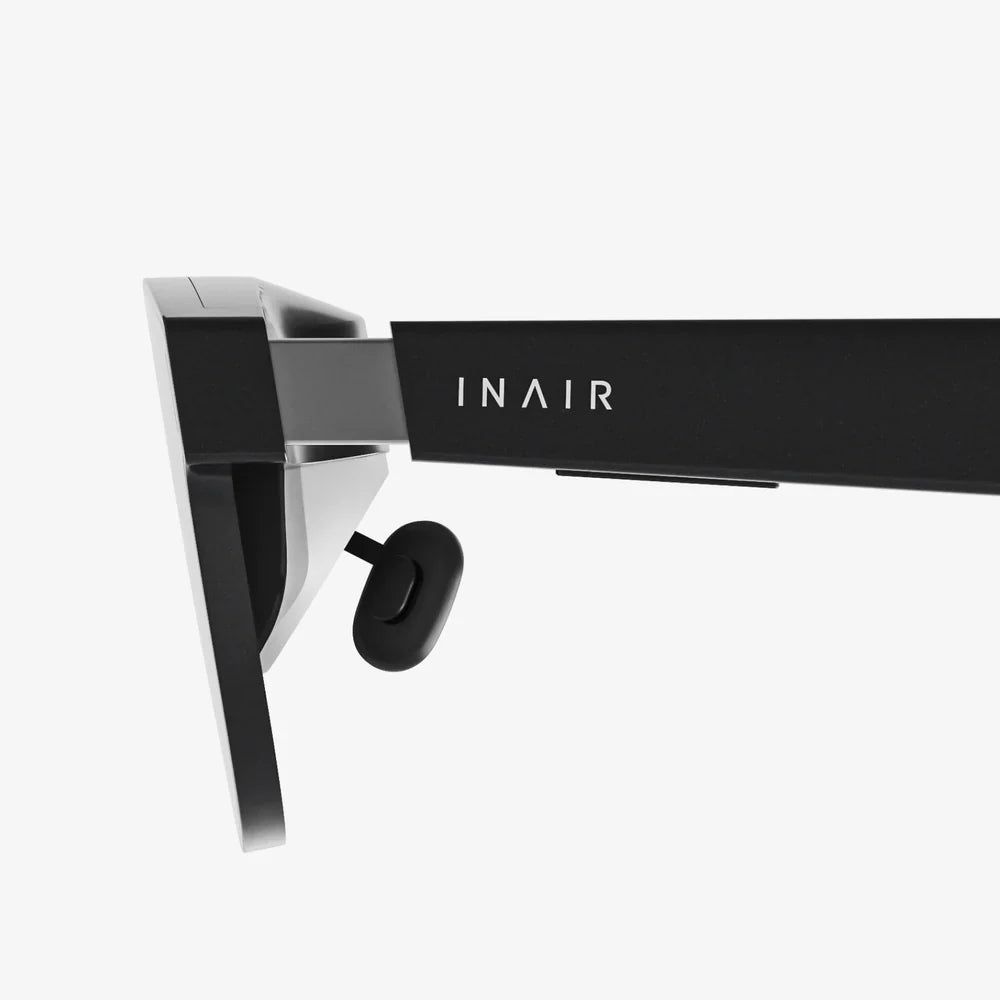
Imagine a world where your digital environment doesn't just listen but understands, doesn't just display information but anticipates your needs, and doesn't just tell a story but invites you to become an integral part of it. This is no longer the realm of science fiction; it is the emerging reality sculpted by the relentless advancement of smart interactive media. This technological paradigm shift is quietly infiltrating every facet of our digital existence, transforming passive consumption into active, dynamic conversation. It represents the culmination of decades of innovation in artificial intelligence, data analytics, and human-computer interaction, creating ecosystems that are not only responsive but also intuitive, empathetic, and profoundly personalized. The screen is no longer a one-way mirror but a living, breathing portal to a tailored universe of possibilities.
The Core Anatomy of a New Digital Species
To truly grasp the magnitude of this shift, we must dissect the core components that give smart interactive media its "intelligence" and "interactivity." It is a symphony of technologies working in concert, each playing a critical role in creating a seamless user experience.
The Cognitive Engine: Artificial Intelligence and Machine Learning
At the very heart lies artificial intelligence (AI), serving as the central nervous system. Machine learning algorithms are the workhorses, constantly analyzing vast datasets generated from user interactions. They identify patterns, predict preferences, and learn from every click, swipe, voice command, and even moment of hesitation. This is what enables a streaming service to recommend a show you will genuinely enjoy or a news aggregator to surface articles aligned with your interests. Beyond simple recommendation, natural language processing (NLP) allows systems to comprehend and generate human language, powering chatbots that can hold coherent conversations and interfaces that can be navigated through voice alone. Computer vision adds another layer, enabling media to "see" and interpret the world through a camera, from applying virtual filters to your face to allowing augmented reality apps to overlay digital information onto your physical surroundings.
The Circulatory System: Data and Connectivity
Data is the lifeblood that fuels the AI engine. The proliferation of Internet of Things (IoT) devices, from smart speakers to wearable fitness trackers, has created a constant stream of real-time information about user behavior, environmental conditions, and daily routines. The seamless function of smart interactive media is utterly dependent on high-speed, low-latency connectivity, such as 5G networks, which ensure that the interaction is instantaneous and fluid, without the frustrating lag that shatters immersion. This infrastructure allows for complex processing to occur in the cloud while delivering a smooth experience on the user's device.
The Interface: Beyond the Screen
Finally, the user interface (UI) is the skin and skeleton—the part we actually see and touch. This has evolved far beyond the static buttons and menus of the past. We now have:
- Voice-First Interfaces: Interacting with technology through conversational assistants.
- Gesture and Touch Control: Using intuitive motions to navigate and manipulate digital objects.
- Immersive Environments: Virtual Reality (VR) and Augmented Reality (AR) that either transport users to entirely digital worlds or enhance their physical one with digital overlays.
- Haptic Feedback: Technology that provides tactile responses, making digital interactions feel physically real.
It is the fusion of these elements—the intelligent brain, the flowing data, and the responsive body—that creates a truly smart interactive media experience.
Transforming Industries and Redefining Engagement
The application of this technology is not confined to a single sector; it is a cross-industry tsunami reshaping how we learn, work, shop, and entertain ourselves.
The Future of Storytelling and Entertainment
Entertainment has been the most visible playground for this revolution. Interactive films and series allow viewers to make choices that alter the narrative's direction, creating a personalized story outcome. Video games have long been at the forefront of interactivity, but now they incorporate increasingly sophisticated AI-driven characters that adapt to a player's style, creating unique and unpredictable experiences. In live events, augmented reality is used to project stunning visual effects into a stadium or overlay real-time statistics during a broadcast, enriching the viewing experience for both physical and remote audiences.
Revolutionizing Education and Training
In education, smart interactive media is moving learning from a passive, one-size-fits-all model to an active, personalized journey. Adaptive learning platforms use AI to assess a student's understanding in real-time, adjusting the difficulty of material and suggesting targeted exercises to address knowledge gaps. Complex concepts are brought to life through immersive VR simulations—allowing medical students to practice virtual surgery, history students to explore ancient civilizations, or mechanics to disassemble a virtual engine. This learning-by-doing approach dramatically improves retention and engagement.
The New Face of Marketing and Commerce
The era of billboard-style, interruptive advertising is fading. Smart interactive media enables experiential marketing. Brands can create AR experiences that let you "try on" clothes or see how a piece of furniture would look in your living room before you buy. Interactive quizzes help customers find the perfect product, and chatbots provide personalized customer service 24/7. This shifts the customer relationship from a transaction to an ongoing, value-driven dialogue, building deeper brand loyalty.
Enhancing Public Services and Civic Engagement
Even government and public services are leveraging this technology. Interactive maps can provide citizens with real-time information about transportation delays or community events. Virtual town halls can make civic participation more accessible. Complex data about city budgets or infrastructure projects can be transformed into interactive, easy-to-understand visualizations, fostering greater transparency and citizen engagement.
Navigating the Ethical Labyrinth
With such transformative power comes significant ethical responsibilities and societal challenges that we are only beginning to confront.
The Privacy Paradox
The very essence of smart interactive media—its ability to personalize—requires data. Vast amounts of it. This creates an inherent tension between hyper-personalization and user privacy. The continuous collection of behavioral data raises critical questions: Who owns this data? How is it being used? Is it being secured properly? The potential for surveillance and the creation of detailed behavioral profiles is a serious concern. Users often trade their data for convenience and personalization, but the terms of this exchange are frequently opaque. Ensuring transparency, giving users genuine control over their data, and implementing robust security measures are not optional features; they are fundamental to building and maintaining trust.
Algorithmic Bias and the Echo Chamber Effect
AI systems are only as unbiased as the data they are trained on. Historical data often contains societal biases, which means algorithms can inadvertently perpetuate and even amplify discrimination. This could manifest in biased news feeds, discriminatory hiring tools, or unequal access to opportunities. Furthermore, the drive for personalization can create powerful "filter bubbles" or echo chambers, where users are only exposed to information and opinions that reinforce their existing beliefs. This can stifle critical thinking, polarize societies, and undermine the shared reality necessary for a functioning democracy.
The Human Connection in an Automated World
As interactions with technology become more fluid and human-like, a profound question emerges: what happens to human-to-human connection? While chatbots can efficiently handle customer queries, they lack genuine empathy. While an AI can curate a perfect playlist, it cannot share the emotional memory of discovering a song with a friend. There is a risk that we become so accustomed to curated, algorithmic interactions that we lose the messy, unpredictable, and deeply rewarding nuances of authentic human relationships. The goal must be to use this technology to augment and enhance human interaction, not to replace it entirely.
Gazing into the Crystall Ball: What Comes Next?
The evolution of smart interactive media is accelerating, driven by advancements in foundational technologies. We are moving towards even more seamless and immersive experiences.
The concept of the metaverse—a collective virtual shared space—promises a future where our digital and physical lives are inextricably linked through persistent VR and AR. Interactivity will become even more embodied, with advancements in haptic technology allowing us to "feel" digital objects.
AI is moving towards generative models that can create entirely new, unique media on demand—from music and art to storylines and virtual environments—tailored to an individual's mood and preferences in real-time. This will shift media from being something we simply choose to something we co-create in every moment.
Perhaps the most significant frontier is the development of more empathetic and contextual AI. Future systems will move beyond recognizing commands to understanding emotional states through tone of voice, facial expression, and behavioral cues, allowing for interactions that are not just smart but also sensitive and contextually aware.
The trajectory is clear: smart interactive media will continue to dissolve the barrier between the user and the digital realm, creating experiences that are increasingly natural, intuitive, and indistinguishable from magic. The challenge and opportunity lie in steering this powerful technology towards a future that is not only more efficient and entertaining but also more equitable, empathetic, and profoundly human.
We stand at the precipice of a new era of human experience, one where every click, glance, and spoken word feeds into a dynamic dialogue with the technology that surrounds us. The potential to learn, create, and connect in ways previously unimaginable is literally at our fingertips, waiting for us to reach out and shape it. The conversation has just begun, and your next interaction is the key to unlocking its incredible, unfolding story.
Share:
How to Use AI Tools: A Comprehensive Guide to Mastering Artificial Intelligence
Blue Stream Wireless Headphones: The Ultimate Guide to Immersive, Tangle-Free Audio