


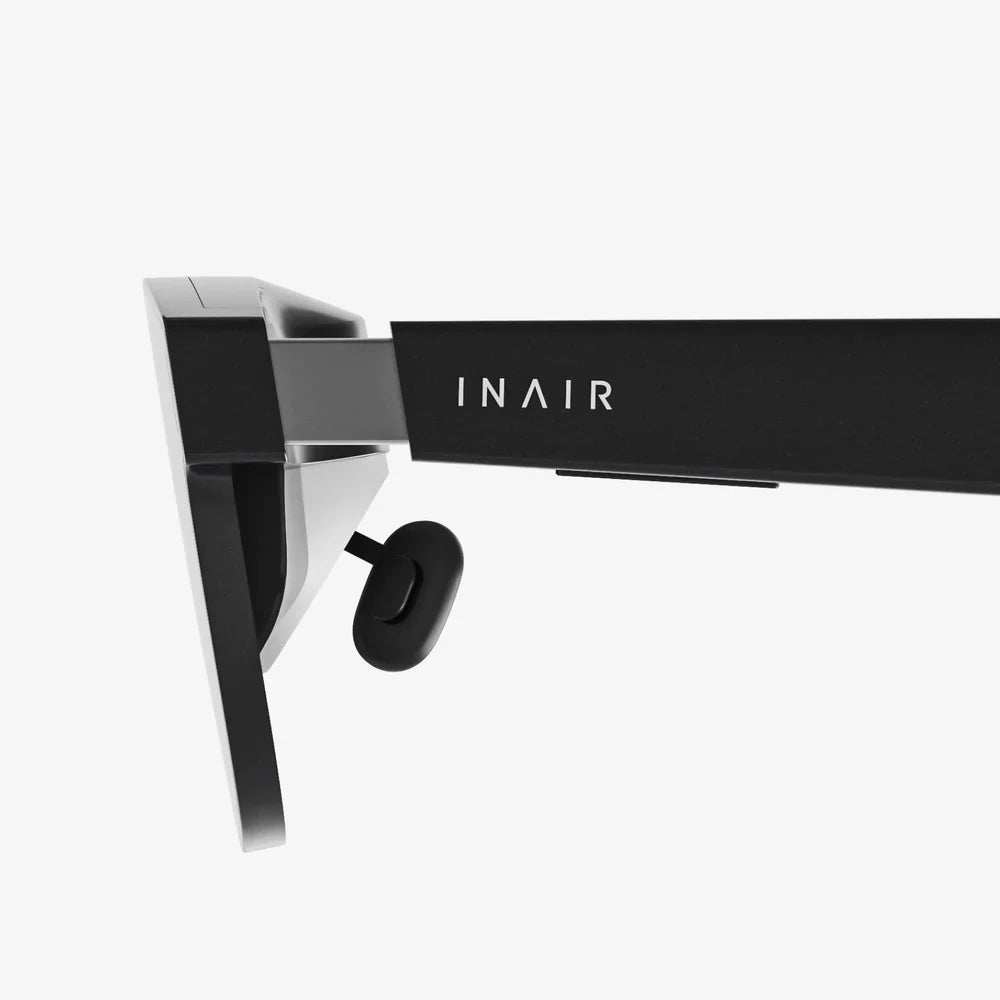
Imagine slipping a portal to another universe into your pocket. This is no longer the stuff of science fiction; it’s the everyday reality made possible by the convergence of two transformative technologies: the ubiquitous smart phone and the accessible VR headset. This powerful pairing has democratized virtual reality, tearing down the barriers of cost and complexity to offer a glimpse into the metaverse from the device you already own. It’s a revolution that begins not with a high-powered desktop computer, but with the sleek, powerful computer you carry with you everywhere.
The Symbiotic Relationship: Power and Display
At the heart of this technological synergy lies a simple yet brilliant concept. A modern smart phone is a marvel of engineering, packing a high-resolution display, a powerful processor, advanced gyroscopes, accelerometers, and magnetometers into a slim form factor. These are the very components required to track movement and render immersive environments—the core functions of any VR system. The smart phone VR headset acts as an intermediary, a sophisticated housing that utilizes these built-in components. It provides the lenses that warp and focus the phone's screen into a believable stereoscopic 3D view, and the structure that isolates the user from the outside world, creating the essential feeling of presence.
From Novelty to Necessity: The Evolution of Mobile VR
The journey of mobile VR began as a curious novelty. Early iterations were simple cardboard holders, proving the concept was viable but offering a limited experience. However, the technology rapidly evolved. Soon, more robust headsets emerged, constructed from durable polymers and featuring crucial additions like adjustable head straps for comfort, integrated focal adjustment dials for clarity, and most importantly, a wireless controller. This controller was the key that unlocked true interaction, transforming the experience from passive viewing to active participation. Users could now manipulate objects, navigate menus, and play games within their virtual surroundings, completing the feedback loop between human intention and digital action.
A Universe of Experiences in Your Pocket
The true power of the smart phone VR headset is unlocked not by the hardware alone, but by the vast and diverse ecosystem of applications available for it. App stores have become gateways to countless virtual experiences, catering to a wide array of interests.
Gaming and Interactive Entertainment
This is perhaps the most popular application. Users can find themselves on the deck of a starship, defending against alien invaders, solving intricate puzzle rooms in an escape game, or even experiencing thrilling narrative adventures where they are the protagonist. The level of immersion offered by even a mobile setup is profound, making gameplay more intense and emotionally engaging.
Virtual Travel and Exploration
For the curious mind, a smart phone VR headset is a teleportation device. You can take a guided tour of the ancient Roman Colosseum, stand on the surface of Mars courtesy of rover data, or dive into the Great Barrier Reef without getting wet. Educational institutions and museums have embraced this medium, creating immersive documentaries and virtual field trips that offer a sense of scale and place that flat videos simply cannot match.
Social Connection and Shared Spaces
VR is increasingly becoming a social platform. Applications allow users to create avatars and meet friends in virtual spaces to watch movies together, attend live concerts and events, or simply hang out and chat. This creates a powerful sense of shared presence, as if you are occupying the same room with someone on the other side of the planet, fostering connection in a uniquely embodied way.
Media Consumption and 360-Degree Content
Beyond gaming, the headset functions as a personal immersive cinema. Users can watch traditional movies on a virtual giant screen or, more impressively, experience content filmed with 360-degree cameras. This places you at the center of the action, whether it's a music video, a sporting event, or a nature documentary, allowing you to look around and explore the environment as it happens.
Understanding the Technical Landscape
To fully appreciate the experience, it's important to understand the technology at work. The magic happens through a combination of hardware and software.
How It Works: Sensors and Tracking
The phone’s internal Inertial Measurement Unit (IMU) is the workhorse of positional tracking. The gyroscope detects rotational movement ( turning your head left, right, up, down), the accelerometer measures linear movement, and the magnetometer acts as a digital compass to correct drift. Together, they provide three degrees of freedom (3DoF) tracking, meaning the system can accurately track the orientation of your head but not its physical position in space. For many seated and stationary experiences, this is perfectly sufficient.
The Role of the Headset
The headset itself is more than a shell. Its primary function is optical. The lenses are carefully calibrated to correct for the pincushion distortion created by the software, which pre-warps the image to appear correct once viewed through the lenses. They also allow your eyes to focus on the phone's screen, which is placed just inches from your face, creating the illusion of a vast, distant world. Higher-quality headsets feature improved lens design to reduce the "screen door effect" (where the gaps between pixels are visible) and to provide a larger, clearer sweet spot.
Limitations and Considerations
While revolutionary in its accessibility, the smart phone-based VR approach does have inherent limitations compared to dedicated, high-end PC-powered systems.
The most significant constraint is processing power. A phone, no matter how advanced, cannot match the rendering capabilities of a top-tier graphics card. This means mobile VR experiences often feature simpler graphics and less complex environments. Furthermore, 3DoF tracking limits interaction; you can't lean forward to examine an object or duck behind a virtual wall, as the system doesn't track that translational movement. This can break immersion in certain applications.
Other considerations include potential discomfort from the weight of the phone on the front of the headset, battery drain, and device overheating during extended use. Choosing a headset with comfortable padding, good weight distribution, and adequate ventilation is crucial for a positive experience.
The Future is Mobile and Connected
The trajectory of smart phone VR is incredibly promising. As phones become more powerful with faster refresh rate displays and more efficient chipsets, the visual fidelity and complexity of experiences will continue to improve. We are already seeing the emergence of 5G connectivity, which has the potential to offload intense processing to the cloud, effectively bypassing the phone's hardware limitations and enabling incredibly rich, high-fidelity VR experiences streamed directly to the headset, anywhere with a strong signal.
Furthermore, the line between mobile and dedicated VR is beginning to blur with the advent of standalone headsets. However, the smart phone VR headset remains the most accessible and cost-effective entry point. It serves as a gateway, introducing millions to the possibilities of virtual reality and fostering the creation of content that will define the future of this medium.
So, the next time you glance at your phone, remember it’s more than a communication device or a social media portal. Paired with an affordable headset, it becomes a ticket to explore the depths of the ocean, the far reaches of space, and the limitless landscapes of human imagination. The gateway to these new realities is already in your hand, waiting for you to take a look.
Share:
Smart Glasses Mirror Phone Screen: The Ultimate Guide to Your Personal Heads-Up Display
VR Headset What Does It Do: A Deep Dive Into The Ultimate Portal To Virtual Worlds