


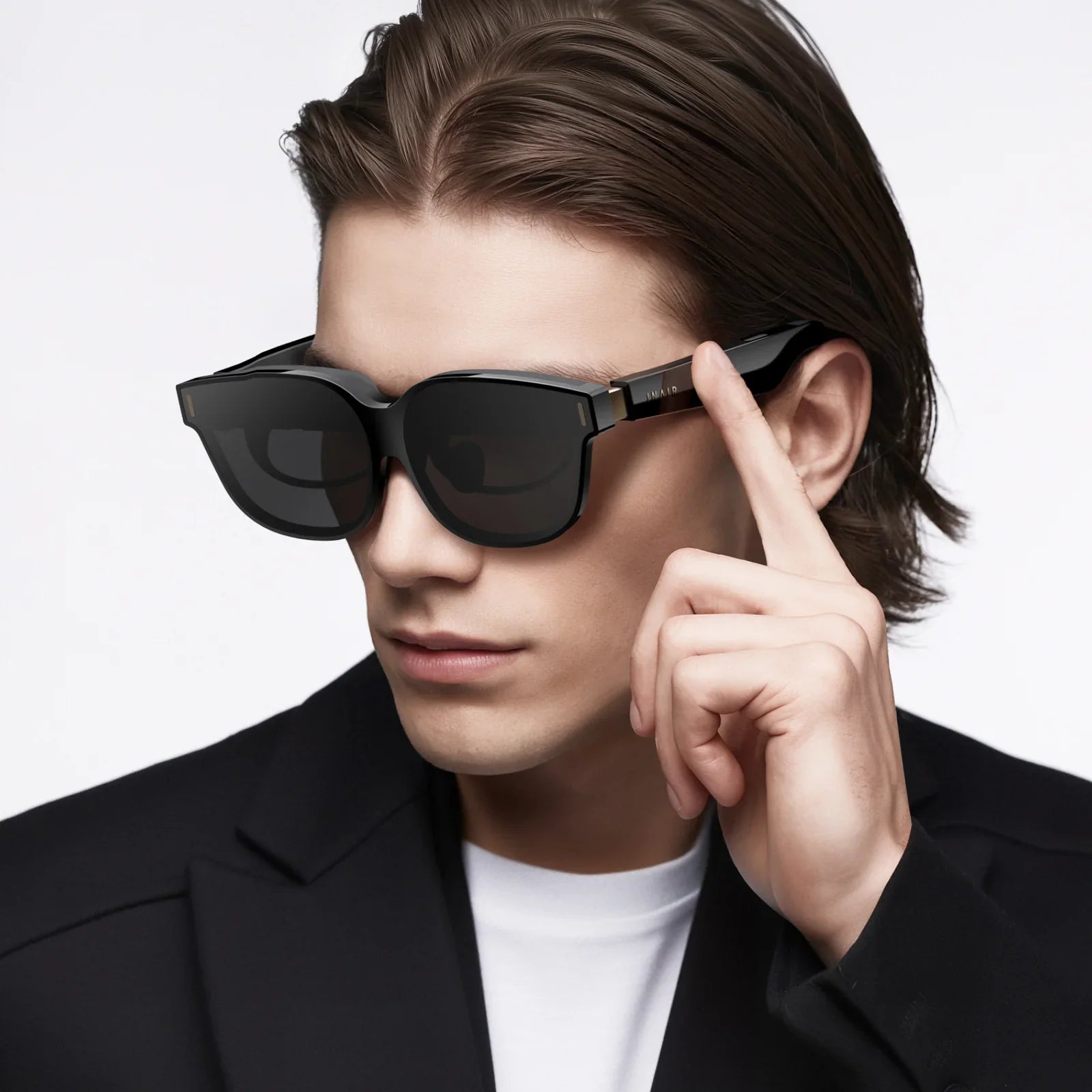
Imagine a pair of sunglasses that does more than just shield your eyes from the sun; a pair that connects to your digital world, adapts to your environment in real-time, and even monitors your well-being. This is no longer the realm of science fiction but the exciting reality of smart shades sunglasses, a technological leap that is fundamentally reshaping our relationship with eyewear and personal tech.
The Evolution of Eyewear: From Function to Fusion
For centuries, the primary function of sunglasses was singular: protection. From the smoked quartz lenses used in 12th-century China to judge cases to the iconic aviators of the 20th century, the goal was to reduce glare and block harmful ultraviolet rays. The advent of polarized lenses in 1936 by a popular eyewear company was a significant breakthrough, cutting reflected glare from surfaces like water and pavement. Yet, the core principle remained passive protection. The digital age, however, has ushered in a new paradigm. The convergence of miniaturized electronics, advanced material science, and the Internet of Things (IoT) has created the perfect storm for innovation. Smart shades sunglasses represent the next logical step in this evolution, transforming a passive accessory into an active, intelligent interface between the user and their environment.
Beyond Tinted Lenses: The Core Technologies Powering Smart Shades
The magic of smart shades sunglasses lies in a sophisticated blend of hardware and software. Unlike their static predecessors, these devices are packed with technology designed to enhance both vision and convenience.
Adaptive Lens Technology
This is arguably the most revolutionary feature. Two primary technologies enable lenses that change their tint on demand:
- Electrochromic Lenses: These lenses contain a thin layer of electrochromic material sandwiched between two pieces of glass or polymer. When a small, low-voltage electrical current is applied (typically via a tiny battery in the frame), the material darkens, and when the current is reversed or stopped, it clears. This allows for near-instantaneous adjustment from completely clear to deeply tinted at the touch of a button or, more impressively, automatically based on sensor input.
- Photochromic Lenses: While not new, modern photochromic technology is more advanced. These lenses contain molecules of silver halide or similar compounds that change structure when exposed to UV light, causing them to darken. The latest iterations are faster and more responsive than older versions, though they generally lack the precise, on-demand control of electrochromic systems.
Integrated Audio Systems
Many smart shades feature built-in, open-ear audio technology. Instead of earphones that block the ear canal, these systems use miniature speakers housed in the temples that direct sound toward the ear. This allows users to listen to music, take calls, or hear navigation prompts while remaining fully aware of their surroundings—a critical safety feature for cyclists, runners, and pedestrians. Advanced bone conduction technology is also employed in some models, transmitting sound waves through the facial bones directly to the inner ear, leaving the ears completely open.
Sensors and Connectivity
These are the brains of the operation. A typical pair of smart shades sunglasses may include:
- Light Sensors: To detect ambient light levels and automatically adjust the lens tint to optimal darkness.
- UV Sensors: To measure exposure to ultraviolet radiation and provide data to paired health and fitness apps.
- Accelerometers and Gyroscopes: To track movement, count steps, and enable gesture controls (e.g., tapping the frame to answer a call or change a song).
- Bluetooth Connectivity: The essential link to a smartphone, enabling all audio and data-transfer features.
- Microphones: For voice assistant integration and clear call quality, often with noise cancellation to filter out wind.
A Day in the Life: The Practical Applications of Smart Shades
The theoretical capabilities of this technology are impressive, but their true value is realized in daily use. Consider a commuter who starts their day before sunrise. They wear their clear smart shades, listening to a podcast through the built-in speakers. As the sun rises, the lenses automatically darken to a comfortable shade, eliminating the need to switch between regular glasses and sunglasses. A tap on the frame activates their phone's voice assistant to get traffic updates. Later, during a lunchtime run, the shades track their route and pace while allowing them to hear approaching traffic. The sweat-proof and secure fit makes them ideal for athletic pursuits. In the evening, the UV sensor data syncs with a health app, providing a daily report on sun exposure. This seamless integration across various activities highlights the utilitarian genius of smart shades sunglasses.
Weighing the Innovation: Benefits and Considerations
As with any emerging technology, a balanced view is essential.
Significant Advantages
- Ultimate Convenience: Combining eye protection, audio, and connectivity into a single, stylish device reduces the number of gadgets one must carry and manage.
- Enhanced Safety: Adaptive lenses ensure optimal vision in any lighting condition, reducing eye strain and fatigue. Open-ear audio maintains environmental awareness.
- Health Monitoring: The ability to track UV exposure provides valuable data for long-term skin and eye health.
- Hands-Free Operation: Gesture and voice controls allow users to interact with their digital world without ever touching their phone, which is perfect for driving or sports.
Points to Ponder
- Battery Life: The addition of electronics introduces a new dependency: battery power. Users must remember to charge their sunglasses, and power-hungry use can lead to a dead device by afternoon.
- Durability and Repairs: Electronics and lenses are a more complex combination. They can be more susceptible to damage from impact or moisture, and repairs are likely more expensive and less widespread than for traditional sunglasses.
- Privacy and Data: As with any connected device, questions about data collection, storage, and usage arise. Understanding what information is being gathered and how it is used is crucial.
- Cost: The advanced technology and materials command a premium price, placing them at a higher price point than most standard sunglasses.
The Horizon of Innovation: What Does the Future Hold?
The current generation of smart shades sunglasses is just the beginning. Researchers and developers are already pushing the boundaries of what's possible. We can anticipate future iterations featuring augmented reality (AR) displays that project navigation arrows, messages, or other holographic information directly onto the lenses, effectively turning them into a personal heads-up display. Biometric sensors could monitor heart rate, blood oxygen levels, or even signs of fatigue, providing real-time health alerts. Further advancements in battery technology, such as solar-charging lenses or kinetic energy harvesting from movement, could solve the charging dilemma. The integration with smart city infrastructure could provide contextual information about landmarks or public transit schedules. The trajectory points toward eyewear becoming the central hub for personal computing and health.
The humble sunglasses have been reborn, not as a mere accessory, but as a powerful wearable computer for your face. Smart shades sunglasses are more than a novelty; they are a testament to how seamlessly technology can integrate into our lives, solving practical problems and enhancing our experiences in ways we are only beginning to explore. The future looks bright, and it’s perfectly tinted.
Share:
How to Get Virtual Glasses on Zoom: A Complete Guide to Digital Eyewear
Are VR Glasses Worth It? A Deep Dive Into the Virtual Future