


Imagine an office that anticipates your needs, streamlines your workflow, and connects you seamlessly with colleagues across the globe, all without the constraints of a physical location. This isn't a scene from a science fiction movie; it's the reality of the smart virtual office, a dynamic and intelligent ecosystem that is fundamentally reshaping the landscape of work. The traditional nine-to-five, anchored to a desk in a concrete building, is rapidly giving way to a more fluid, responsive, and empowered model of professional life. The convergence of advanced technologies has birthed a new paradigm, one where the office is not a place you go, but an environment you access—a context-aware, data-driven, and deeply integrated platform designed for peak human performance and connection. The future of work isn't on the horizon; it's being logged into, right now.
The Architectural Pillars of an Intelligent Workspace
At its core, a smart virtual office is more than just a collection of digital tools; it is a sophisticated architecture built upon several interdependent pillars. Understanding these components is key to appreciating its transformative potential.
The Foundational Layer: Unified Communication and Collaboration Hubs
The most visible element of any virtual office is its communication suite. However, in a smart ecosystem, these are not siloed applications for video calls and messaging. They are deeply unified platforms that serve as the central nervous system. These hubs integrate high-definition video conferencing with spatial audio, persistent chat channels, digital whiteboards, and real-time document collaboration. The intelligence here lies in their seamlessness—the ability to fluidly move a conversation from a text thread to a video huddle to a co-editing session without switching contexts or applications. This eliminates friction and preserves the natural flow of ideation and discussion that once happened organically in physical hallways and meeting rooms.
The Cognitive Engine: Artificial Intelligence and Automation
This is the true brain of the smart virtual office. Artificial intelligence infuses the environment with predictive and proactive capabilities. Machine learning algorithms analyze work patterns to optimize schedules, suggesting focus times and automatically mutifying notifications to minimize distractions. Natural Language Processing (NLP) powers advanced features like real-time transcription and translation during meetings, making collaboration truly borderless. AI assistants can summarize lengthy email threads, draft responses, generate meeting action items, and even provide sentiment analysis on team morale based on communication patterns. Automation handles repetitive tasks—scheduling meetings across time zones, generating reports, updating project statuses—freeing human intellect for more strategic, creative endeavors. This layer transforms the workspace from a passive tool into an active participant in productivity.
The Experiential Dimension: Immersive Technologies and the Metaverse
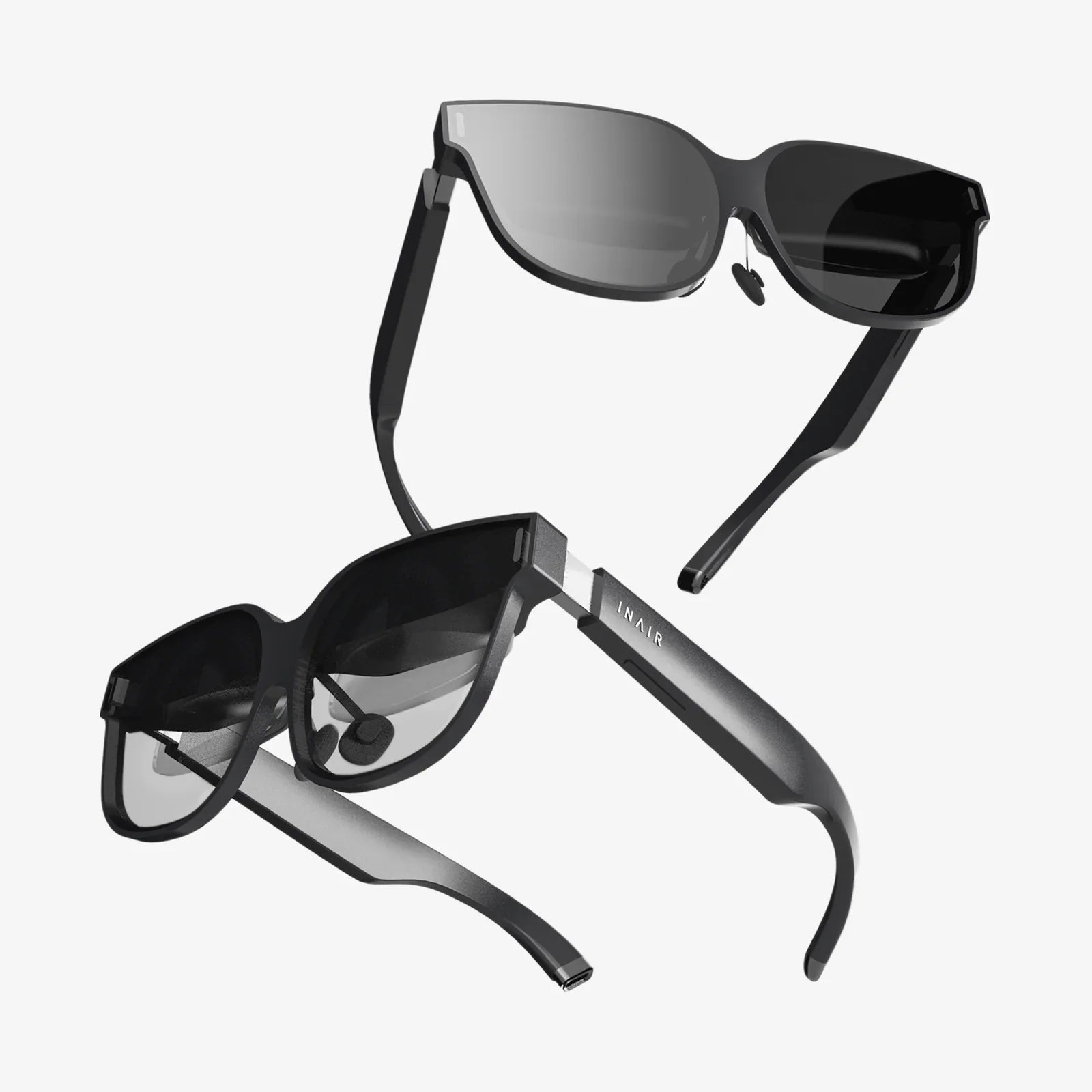
To combat the fatigue of flat, two-dimensional screen interactions, the next frontier of the smart virtual office lies in immersion. Virtual and Augmented Reality (VR/AR) technologies are being integrated to create a sense of shared presence that video calls cannot replicate. Employees can don a headset and enter a persistent virtual office building, complete with customizable workspaces, conference rooms, and even social lounges. They can see digital avatars of colleagues, make eye contact, and use body language, replicating the nuanced social cues of physical interaction. This goes beyond gimmickry; it fosters a stronger sense of organizational culture, serendipitous "watercooler" moments, and more engaging training and onboarding experiences. This pillar is about rebuilding the human connection that remote work was once accused of diminishing.
The Connective Tissue: Integrated Productivity and Wellness Apps
A smart ecosystem is an integrated one. The virtual office does not exist in a vacuum but is woven into the fabric of an employee's digital workflow. This means deep integrations with project management software, cloud storage drives, customer relationship management (CRM) systems, and enterprise resource planning (ERP) platforms. Data flows securely between these applications, providing a single source of truth and a holistic view of projects. Crucially, this integration extends to employee wellness applications. The system can encourage regular breaks, suggest mindfulness exercises, prompt physical movement, and monitor digital wellness to prevent burnout. By acknowledging that a productive employee is a healthy one, the smart virtual office takes a holistic approach to professional success.
The Transformative Impact: Beyond Convenience
The adoption of a smart virtual office is not merely a logistical shift; it triggers a cascade of profound benefits for organizations and individuals alike.
A Radical Expansion of Talent and Opportunity
The most significant impact is the complete dissolution of geographical barriers. Companies are no longer limited to hiring within a commutable distance of a physical office. This opens access to a truly global talent pool, allowing organizations to find the perfect skills and cultural fit, regardless of location. Conversely, individuals gain access to a world of opportunities without the need for disruptive relocation. This democratization of work fosters greater diversity, inclusion, and innovation by bringing together perspectives from different cultures, backgrounds, and lived experiences.
The Data-Driven Organization: Insights for Optimization
Every interaction within a smart virtual office generates valuable, anonymized data. Analytics dashboards can provide leadership with unprecedented insights into organizational health. This is not about micromanaging individuals, but about understanding macro-trends: Which teams collaborate most effectively? Where are communication bottlenecks occurring? What time of day is the organization most productive? Are meeting lengths optimal? This data empowers leaders to make evidence-based decisions to refine processes, allocate resources more effectively, and structure teams for maximum synergy and well-being.
Enhanced Agility and Business Continuity
An organization built on a smart virtual platform is inherently agile and resilient. Scaling up or down does not require negotiating leases or purchasing furniture; it involves adjusting software licenses. Furthermore, the model provides unparalleled business continuity. Whether faced with a local incident, a global pandemic, or severe weather, a distributed, digital-first workforce can continue operations without interruption. This resilience is a critical competitive advantage in an unpredictable world.
Empowering a Healthier Work-Life Integration
By eliminating the daily commute and providing greater autonomy over one's schedule, the smart virtual office empowers employees to design a workday that integrates with their lives, not conflicts with it. The flexibility to manage family responsibilities, pursue hobbies, and work during one's most productive hours leads to higher job satisfaction, reduced stress, and improved mental health. The intelligent systems that guard against burnout further reinforce this, creating a sustainable model for long-term career development and personal well-being.
Navigating the Implementation: A Strategic Blueprint
Transitioning to a smart virtual office is a significant cultural and technological undertaking that requires careful strategy, not just a suite of new software.
Cultivating a Culture of Trust and Outcomes
The foundation of a successful virtual office is not technology, but culture. Organizations must shift from a culture of presence—valuing employees for the hours they spend at a desk—to a culture of trust and outcomes. Leadership must clearly define goals, metrics for success, and expectations for communication and availability. This requires transparent management and a focus on empowering employees with autonomy, fostering a sense of ownership and responsibility for their contributions.
Prioritizing Security in a Borderless World
A perimeter-less office demands a perimeter-less security model. Zero-Trust security frameworks, where no user or device is implicitly trusted, become essential. This involves multi-factor authentication, stringent access controls, endpoint security for all devices, and comprehensive data encryption both in transit and at rest. Continuous employee training on cybersecurity best practices is equally critical, as the human element often remains the weakest link.
Designing for Inclusivity and Connection
A deliberate effort must be made to ensure all employees feel included and connected. This means establishing clear digital etiquette, such as ensuring remote participants are heard in hybrid meetings and using collaborative documents to give everyone an equal voice. Leaders must be intentional about creating virtual social spaces and opportunities for informal interaction to build camaraderie and prevent feelings of isolation. The technology should be used to bridge gaps, not create them.
Investing in Change Management and Continuous Learning
The introduction of a complex new system will inevitably meet with resistance. A robust change management plan is crucial, involving clear communication of the "why," comprehensive training programs, and the identification of champions who can advocate for the new tools and support their colleagues. This is not a one-time event but an ongoing process of gathering feedback, refining practices, and continuously evolving the digital workplace to meet the changing needs of its users.
The Horizon: What Lies Ahead for the Intelligent Workspace
The evolution of the smart virtual office is accelerating. We are moving towards environments powered by ever more sophisticated AI that can act as true collaborators. Predictive analytics will become so advanced that the workspace will be able to proactively assemble the right team for a project based on skills, availability, and even predicted chemistry. The lines between the digital and physical will further blur with AR, allowing digital information and colleagues to be overlayed into our physical homes. Biometric feedback could be used (ethically and with consent) to further personalize the environment, adjusting lighting, temperature, and task difficulty based on stress levels and focus. The office of the future will be a hyper-personalized, anticipatory, and deeply immersive partner in achievement.
The door to the twentieth-century office is closing, but a new, infinitely more adaptable and intelligent portal is opening. The smart virtual office represents the most significant reinvention of work since the industrial revolution, offering a promise not just of efficiency, but of greater human potential, global connection, and sustainable professional fulfillment. The tools are here, the model is proven, and the future belongs to those who are bold enough to step through.
Share:
Ar Condicionado Media: The Ultimate Guide to Choosing the Perfect Mid-Range AC
Benefits of Virtual Meetings: Unlocking Productivity, Inclusivity, and a New Era of Work