


Imagine a device so seamlessly integrated into your being that it feels less like a piece of technology and more like a natural extension of your own body—an intelligent second skin that understands you, empowers you, and moves with you through the world. This is the audacious promise and the ultimate challenge of modern smart wearable design, a field where the cold logic of silicon meets the warm, complex reality of human life. It’s a realm where a millimeter’s thickness, a gram’s weight, or a single extra tap in a user interface can mean the difference between a device that is loved and one that is abandoned in a drawer. The journey of a smart wearable from a promising concept on a designer’s screen to an indispensable part of a user’s daily routine is a fascinating story of compromise, innovation, and profound empathy.
The Core Tenets of Human-Centric Design
At its heart, successful smart wearable design is not about the technology it houses; it is about the human it serves. This human-centric philosophy is the bedrock upon which all other principles are built. It demands a deep understanding of anthropology, physiology, and psychology. Designers must ask fundamental questions: How does this device make the wearer feel? Does it empower them or create anxiety? Does it simplify their life or add another layer of digital complexity?
The answer lies in a relentless focus on intuitive interaction. The best wearables minimize cognitive load. They provide information and functionality through glances, gentle haptic pulses, or simple voice commands, respecting the user’s attention rather than demanding it. This requires sophisticated context-awareness. A device should know when the user is in a meeting and suppress non-critical notifications, or understand when they are sleeping and automatically enter a do-not-disturb mode. This silent intelligence is what transforms a gadget from being merely smart to being genuinely thoughtful.
The Form Factor Revolution: From Wrists to Eyewear and Beyond
The most visible aspect of smart wearable design is its physical form. The wrist has been the dominant battlefield, primarily due to its accessibility and traditional association with timekeeping. Designing for the wrist presents a unique set of constraints and opportunities. The device must be lightweight enough for all-day comfort yet robust enough to feel durable. Its profile must be slim to slide under a shirt cuff, a detail often overlooked until it becomes a daily frustration. The shape of the lugs, the texture of the strap, and the ease of the clasp are all critical components of the wearability equation.
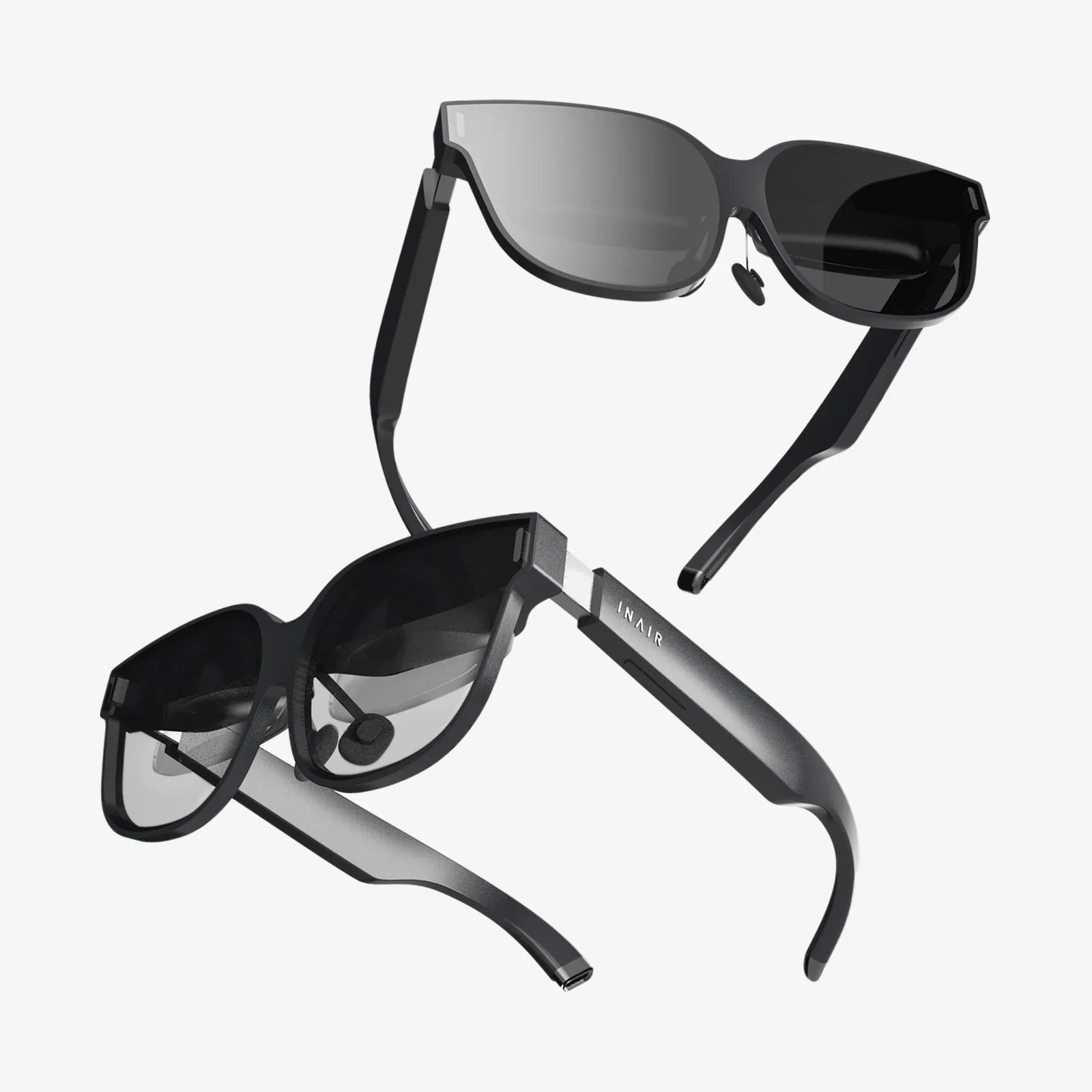
However, the future extends far beyond the wrist. Smart eyewear represents one of the most challenging and promising frontiers. Here, design must achieve the impossible: embedding advanced technology into a form that is already highly personal, fashionable, and fragile. The goal is to create glasses that look and feel like ordinary eyewear while projecting a digital overlay onto the real world. This involves microscopic optics, ultra-low-power displays, and materials strong enough to be handled daily yet light enough to be worn for hours. The social acceptability of such devices is as important as their technical feasibility; they must not make the wearer look awkward or disconnected from their environment.
Further afield, we see innovation in rings, which offer extreme discretion for tracking health metrics; smart fabrics that weave conductive threads into clothing to monitor posture or muscle activity; and even hearables that augment auditory reality. Each new form factor opens a new Pandora’s box of design challenges, from power management and sensor placement to biocompatibility and washability.
The Unseen Engine: Sensor Integration and Biometrics
The magic of a smart wearable is enabled by its sensors, and their design integration is a feat of miniaturization and material science. An optical heart rate sensor, for example, must maintain perfect skin contact through sweat, movement, and changing ambient light. This requires a specific arrangement of LEDs and photodiodes, a housing that minimizes light pollution, and an algorithm sophisticated enough to filter out noise and extract a clean signal from the chaotic data of a moving body.
Designing for advanced biometrics like Electrocardiogram (ECG) or blood oxygen saturation (SpO2) adds another layer of complexity. These sensors often require the user to complete a circuit by touching a specific electrode on the device’s casing. This interaction must be designed to be effortless and foolproof. The placement of these conductive elements cannot be an afterthought; they must be integrated into the overall aesthetic, perhaps as a crown on a watch or a subtle rim around the bezel, feeling natural to the touch both in terms of material and location.
The Material World: Crafting Touch and Emotion
The materials chosen for a wearable are paramount. They dictate not only durability and weight but also the crucial emotional connection a user forms with the device. A cold, clinical aluminum might convey premium tech, but a warm, ceramic composite might feel more organic and comfortable against the skin. Designers are increasingly exploring biomaterials, recycled polymers, and hypoallergenic alloys to appeal to an eco-conscious and health-aware consumer base.
The texture is equally important. A matte, sand-blasted finish provides a secure grip and resists fingerprints, while a high-polished surface communicates luxury. The strap material is perhaps the most personal choice, with options ranging from breathable fluoroelastomer for athletes to supple leather for professionals and soft woven nylon for everyday casual wear. The ability to easily swap straps is itself a key design decision, enabling personalization and extending the device’s functional life.
The Power Predicament: Battery Life and Charging Rituals
Perhaps the single greatest constraint in smart wearable design is energy. The battery is a dense, heavy component that dictates the device’s size, shape, and ultimately, its usefulness. The pursuit of multi-day battery life is a constant battle between processing power, display technology, and energy capacity. Design strategies to win this battle are multifaceted.
Hardware efficiency is the first front, utilizing ultra-low-power processors and sensors. Software optimization is the second, with aggressive power management that shuts down unused subsystems. The third front is user interface design. An always-on display is a major power drain, so designers must create compelling ambient modes that show just enough information with minimal energy use. Furthermore, the ritual of charging must be designed for convenience. A proprietary magnetic puck might offer a secure connection, but a universal standard like Qi wireless charging allows users to leverage existing infrastructure. Some forward-thinking concepts are exploring solar charging faces or kinetic energy harvesting, aiming to break the tether of the wall outlet entirely.
The Digital Skin: UI/UX and the Art of the Glance
The user experience of a smart wearable is defined by its constraints. With a screen sometimes less than two inches in diameter, there is no room for clutter. Every pixel must serve a purpose. This has given rise to a new design language built around information density, clear typography, and bold, recognizable icons.
The hierarchy of information is critical. The most important data—the time, a notification from a loved one, a critical health alert—must be immediately accessible, often from the watch face itself. Secondary information should be no more than a swipe or a button press away. Designers utilize haptic feedback masterfully to communicate silently—a double pulse for a left turn, a single long buzz for an incoming call. The operating system itself must feel fast and fluid; any lag or stutter on a device this personal feels disproportionately frustrating. The ultimate goal is to create a digital experience that feels less like using a computer and more like a subtle conversation with a helpful companion.
Sustainability and Longevity: Designing for a Circular Future
As the market for wearables expands, the industry faces growing scrutiny over its environmental impact. Sustainable design is no longer a niche concern but a central pillar of responsible product development. This involves designing for repairability and upgradeability. Can the battery be replaced? Can the processor module be upgraded without discarding the entire casing? Using standard screw types instead of proprietary pentalobe screws can be a significant design decision that extends a device’s life.
Material selection is also key. Using recycled aluminum, bio-based plastics, and straps made from ocean waste are powerful statements. Furthermore, companies are now designing programs to take back old devices, responsibly recycle their components, and offer discounts on new models, fostering a circular economy. This shift requires designers to think about the entire lifecycle of the product, from the mining of its raw materials to its final disassembly, ensuring that beauty and function are matched with responsibility.
The Invisible Frontier: The Next Wave of Innovation
The next decade of smart wearable design will be defined by even deeper integration. We are moving towards unobtrusive, sensor-rich patches that monitor health biomarkers from the surface of the skin. Smart contact lenses that can measure glucose levels in tears are already in development. The field of neuromorphic computing, which mimics the brain’s architecture, promises to enable ultra-low-power processing that can understand complex contextual patterns directly on the device, enhancing privacy and speed.
The final frontier of design will be true invisibility. The technology will recede entirely, woven into the very fabric of our attire or applied to the skin like a temporary tattoo. In this future, design will focus less on the object itself and more on the quality of the experience it delivers. The interface may shift from a screen to spatial audio and augmented reality, overlaying information onto our perception of the world without a physical intermediary. The design challenge will be to create a calm technology that enhances our human capabilities without overwhelming our senses, acting as a gentle guide in an increasingly complex world.
This relentless evolution means the smart wearable on your wrist today is merely a prototype for the seamless, intelligent companions of tomorrow. The designers who succeed will be those who master the delicate dance of form and function, who view technology not as an end in itself but as a brush to paint a richer, healthier, and more connected human experience. The perfect wearable doesn’t just track your life; it quietly, thoughtfully, and beautifully helps you live it.
Share:
Work Smarter Together: The Ultimate Blueprint for Collaborative Success
Ideate Innovation Digital Product Innovation: The Complete Blueprint for Modern Success