


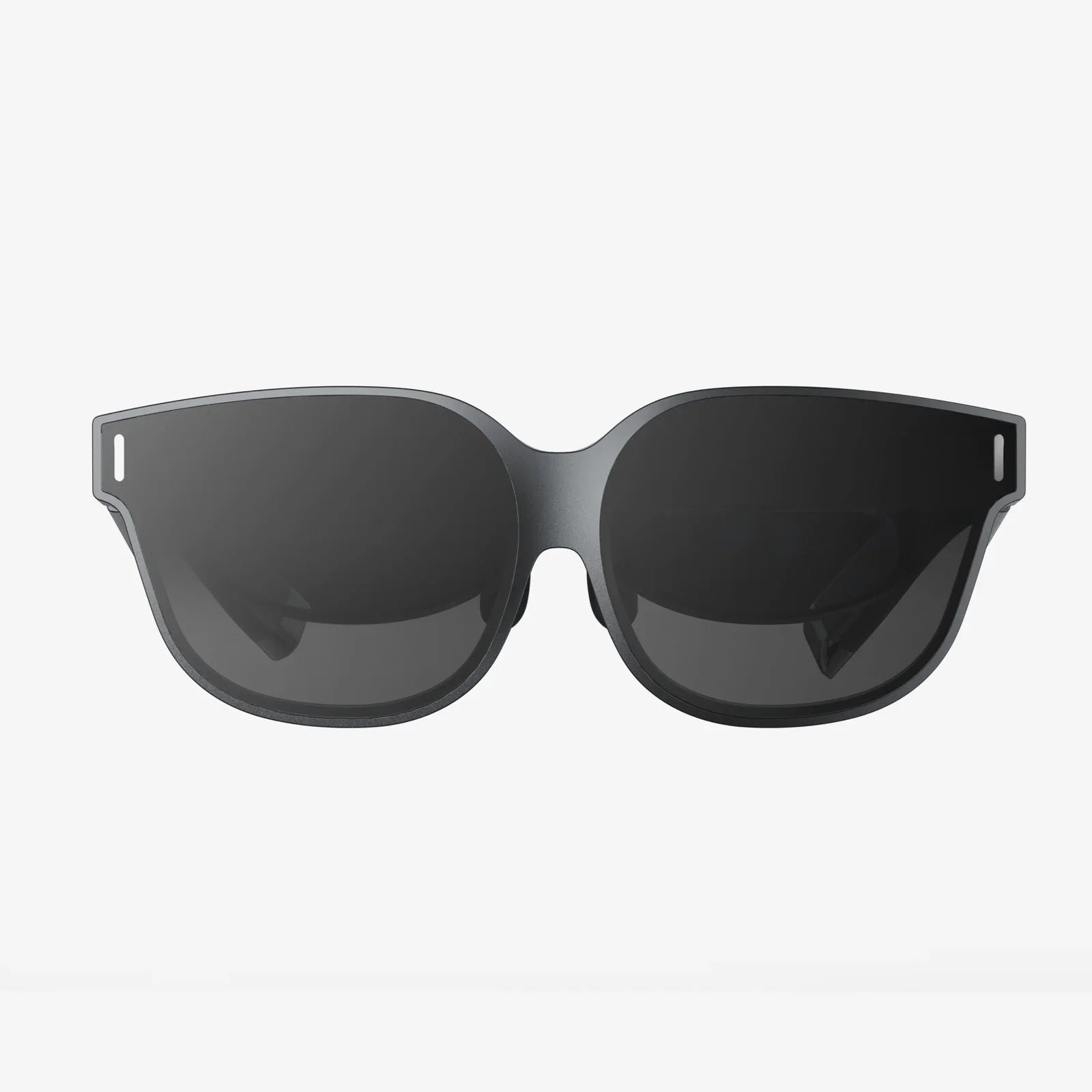
Imagine a world where your watch doesn't just tell time, but tells you about your health; where your glasses don't just correct your vision, but augment your reality; where your clothing doesn't just keep you warm, but keeps you connected. This is not a scene from a science fiction novel—it is the burgeoning reality shaped by a category of technology that has swiftly moved from the fringes of geek culture to the mainstream of modern life. The quest to understand this revolution begins with a single, crucial step: grasping the fundamental smart wearable devices definition. This is more than just a technical term; it is the key to unlocking a new dimension of human-computer interaction, one that promises to redefine our daily routines, our understanding of ourselves, and our place in a hyper-connected world. This ultimate guide will not only define these devices but will dissect their anatomy, explore their potential, and forecast the future they are actively building.
Deconstructing the Core Definition
At its most fundamental level, the smart wearable devices definition can be broken down into three critical components: wearability, smartness, and connectivity. These pillars form the foundation of every device that legitimately falls into this category.
The Principle of Wearability
First and foremost, a wearable device must be worn. This seems obvious, but the implications are profound. Wearability dictates that the device must be:
- Ergonomic and Unobtrusive: It must conform to the human body, be lightweight, and designed for prolonged, comfortable use without causing irritation or hindering movement. The goal is integration, not imposition.
- Context-Aware: By being on the body, the device is uniquely positioned to gather data specific to the user's immediate context—their location, movement, physiological state, and even their environment. A phone in your pocket knows you're moving; a wearable on your wrist knows you're running, can gauge your pace, and measure the elevation gain.
- Hands-Free and Always-Available: Unlike a smartphone that must be retrieved from a pocket or bag, a true wearable provides information and functionality at a glance, enabling interaction without interrupting the flow of activity. This creates a constant, ambient interface with technology.
The Element of "Smart" Technology
The term "smart" signifies that the device possesses computational power. It is a computer, albeit in a non-traditional form factor. This intelligence allows it to:
- Process Data: It can take raw sensor input (e.g., heart rate, acceleration) and transform it into actionable information (e.g., calories burned, steps taken, sleep stages).
- Learn and Adapt: Through algorithms and, increasingly, machine learning, these devices can learn user patterns, identify anomalies, and personalize feedback and notifications to become more useful over time.
- Execute Tasks Autonomously: From filtering notifications to automatically tracking a workout, the device performs functions without requiring constant user input.
The Imperative of Connectivity
A device worn in isolation has limited utility. The true power of a smart wearable is unleashed through its connection to larger digital ecosystems. This connectivity is typically bi-directional:
- Data Syncing: The device collects data and syncs it to a companion smartphone application or cloud service, where it can be stored, analyzed over the long term, and presented in comprehensive dashboards.
- Command and Control: The wearable receives information from the connected network, such as incoming call alerts, text messages, app notifications, or even remote commands to control other smart devices.
- Ecosystem Integration: Most wearables do not function as standalone islands. They are part of an interconnected web that includes smartphones, laptops, smart home devices, and automotive systems, acting as a remote control or notification hub for the user's entire digital life.
Therefore, a holistic smart wearable devices definition is: Ergonomic, body-worn computers equipped with sensors and software that collect, process, and transmit user and environmental data, often through a connection to a larger network, to provide contextual information, automate tasks, and enhance the user's capabilities, productivity, health, or experience.
The Vast and Expanding Universe of Form Factors
The application of the core smart wearable devices definition has given rise to a stunning array of products that cater to different parts of the body and different aspects of life. The taxonomy of wearables is as diverse as human needs and desires.
Wrist-Worn Devices: The Vanguard
The wrist has emerged as the dominant location for wearable technology, primarily due to its accessibility and the cultural acceptance of wearing watches and jewelry.
- Smartwatches: These are the most feature-rich wrist-worn devices. They serve as secondary displays for smartphones, handling notifications, calls, and messages. They boast robust health and fitness tracking suites (ECG, blood oxygen, sleep tracking), integrated GPS for mapping workouts, contactless payment systems, and a growing library of apps.
- Fitness Trackers: Often more minimalist and focused, these devices prioritize health metrics above all else. They excel at continuous heart rate monitoring, step counting, sleep analysis, and activity recognition. Their longer battery life and lower price point make them a popular entry point into the wearable ecosystem.
- Hybrid Smartwatches: Bridging the gap between traditional horology and modern tech, these devices look like classic analog watches but embed a limited set of smart features, such as activity tracking and notification alerts, often powered by a coin-cell battery that lasts for months.
Beyond the Wrist: A Body-Worn Revolution
Innovation is flourishing beyond the confines of the wrist, pushing the boundaries of the smart wearable devices definition.
- Smart Eyewear: This category includes Augmented Reality (AR) and Virtual Reality (VR) headsets that overlay digital information onto the real world or create fully immersive virtual environments. Simpler forms include glasses with built-in audio systems and cameras for discrete recording or listening.
- Hearables: Primarily represented by true wireless earbuds, hearables have evolved far beyond simple audio playback. They now incorporate active noise cancellation, real-time language translation, integrated voice assistants, and biometric sensors for health monitoring.
- Smart Clothing and Footwear: Textiles and shoes are being woven with conductive threads and sensors to measure muscle activity, running form, posture, and a host of other biomechanical data, offering insights that wrist devices cannot capture.
- Medical and Clinical-Grade Wearables: This is one of the most impactful categories. Devices like continuous glucose monitors (CGMs), smart ECG patches, and connected inhalers provide life-saving data to patients and doctors, enabling remote patient monitoring and proactive healthcare management.
The Technological Engine Room: Sensors and Software
What makes the smart wearable devices definition a reality is the sophisticated hardware and software working in concert beneath the surface.
The Sensor Suite: The Device's Senses
Sensors are the organs of a wearable, the means by which it perceives the world and the user.
- Inertial Measurement Units (IMUs): These include accelerometers and gyroscopes, which track movement, orientation, and acceleration. They are fundamental for step counting, detecting falls, and identifying specific activities like swimming or cycling.
- Optical Heart Rate Monitors: Using a method called photoplethysmography (PPG), these sensors shine green LED light onto the skin and measure the light reflected back by blood flow to determine heart rate.
- Bioimpedance Sensors: By sending a tiny, imperceptible electrical current through the body, these sensors can estimate metrics like body composition and stress levels by measuring the body's resistance to the current.
- Environmental Sensors: These include microphones, barometers (for altitude), and soon, sensors for air quality and temperature, allowing the device to understand the user's surroundings.
- Global Positioning System (GPS): Allows the device to track location, distance, and pace outdoors without requiring a connected phone.
The Software: The Brain and the Interface
Raw sensor data is meaningless without software to interpret it.
- Operating Systems: Wearables run lightweight, power-efficient operating systems designed for small screens and limited processing power. These OSs manage apps, notifications, and the core user interface.
- Algorithms and Machine Learning: This is the true magic. Complex algorithms take the raw data from multiple sensors, filter out noise, and identify patterns. Machine learning models can now differentiate between sleep stages, recognize specific exercises, and even predict potential health events like atrial fibrillation.
- Companion Applications: The smartphone app is the window into the wearable's data soul. It provides historical trends, detailed analysis, personalized insights, and configuration settings, turning a stream of data into a narrative about the user's life and health.
The Societal Impact: Empowerment and Ethical Quandaries
The proliferation of devices that fit the smart wearable devices definition is not merely a technological shift; it is a societal one, bringing both tremendous benefits and significant challenges.
The Promise: Hyper-Personalization and Proactive Health
The positive impact is already being felt across numerous domains.
- The Quantified Self: Wearables have democratized access to personal data, allowing individuals to track and optimize their fitness, sleep, and recovery. This movement towards self-knowledge through numbers empowers people to make more informed lifestyle choices.
- Revolutionizing Healthcare: The potential is staggering. Continuous, real-world health data is a goldmine for medical research and personalized medicine. Wearables enable early detection of illnesses, remote monitoring of chronic conditions, and can reduce hospital readmissions by allowing doctors to intervene before a crisis occurs.
- Enhanced Safety and Accessibility: Features like fall detection with automatic emergency calling provide peace of mind for elderly users and their families. For individuals with disabilities, wearables can offer new ways to interact with their environment and communicate.
- Increased Productivity and Convenience: Glancing at a notification on your wrist to triage its importance is far less disruptive than pulling out a phone. Making payments, controlling smart home devices, and using digital keys from a wearable streamline daily interactions.
The Peril: Privacy, Security, and the Data Dilemma
This new era of pervasive data collection comes with profound risks that society is only beginning to grapple with.
- Data Privacy and Ownership: Wearables collect the most intimate data possible: your bodily functions, your location, your daily habits. Who owns this data? How is it being used by the companies that collect it? Could it be sold to insurers, employers, or advertisers? The lines are blurry and regulations are lagging behind the technology.
- Data Security: A database of millions of users' heart rate, sleep, and activity patterns is a incredibly attractive target for hackers. A breach would not be about leaking credit card numbers, but about exposing the deepest secrets of human biology and behavior.
- Algorithmic Bias and Accuracy: The insights provided by wearables are only as good as the algorithms that power them. If these algorithms are trained on non-diverse datasets, they may be less accurate for certain demographics, leading to misdiagnosis or poor recommendations.
- Psychological Impact and Anxiety: The constant pursuit of perfect sleep scores or 10,000 steps can lead to obsessive behaviors and health anxiety, a phenomenon sometimes termed "orthosomnia"—the unhealthy obsession with perfect sleep data.
The Future Trajectory: Invisible, Intelligent, and Integrated
The evolution of devices that fit the smart wearable devices definition is moving towards greater miniaturization, intelligence, and integration.
- Radical Miniaturization and New Forms: The end goal is for the technology to disappear into the background. We are moving towards smart patches, electronic tattoos, and even ingestible sensors that monitor health from within the body. The distinction between device and user will increasingly blur.
- Advanced Biomarkers: Future wearables will move beyond heart rate and steps to non-invasively track a wide range of clinical-grade biomarkers, such as blood glucose, blood pressure, hydration levels, and cortisol (stress hormone) levels, transforming them from fitness gadgets into essential health guardians.
- Contextual and Predictive Intelligence: Leveraging artificial intelligence, wearables will evolve from reactive devices that tell you what happened to predictive partners that tell you what will happen. They will understand your context so deeply that they could predict a migraine onset, suggest you take a break before you feel fatigued, or warn you of an impending asthma attack based on air quality and your physiological data.
- Seamless Ecosystem Integration: The wearable will become the central hub of your personal area network, seamlessly orchestrating all other devices—from your phone and laptop to your car and smart home—anticipating your needs and acting on your behalf.
The journey from a simple pedometer to a sophisticated health monitor on your wrist is just the beginning. The true smart wearable devices definition is still being written, evolving from a gadget you charge at night to an intelligent, invisible partner woven into the very fabric of your existence. It promises a future where technology doesn't demand our attention but quietly enhances our human experience, empowering us with knowledge about ourselves that was once inaccessible and offering a glimpse into a healthier, safer, and more connected way of life. The next time you glance at your wrist, remember—you're not just checking the time; you're peering into the forefront of a revolution that is making the line between human and machine more beautifully blurred than ever before.
Share:
Artificial Intelligence Study: The Complete Guide to AI-Powered Learning
Smart Electronics Devices Are Reshaping Our Reality and Redefining Modern Existence