


Imagine a world where your watch not only tells time but also saves it—by predicting a health event before it happens, by optimizing your daily routine for peak performance, or by connecting you to the digital fabric of life without you ever needing to glance at a screen. This is no longer the realm of science fiction; it is the pulsating reality of the smart wearable devices news cycle, a sector buzzing with innovation that is fundamentally reshaping our relationship with technology and our own well-being. The pace of change is breathtaking, moving from simple step counters to sophisticated health guardians and seamless interface pioneers. This article delves deep into the most exciting developments, the cutting-edge trends, and the profound implications of the wearables revolution that is quietly strapping itself to our wrists, hanging from our ears, and integrating into our clothing.
The Evolution from Novelty to Necessity
The journey of wearable technology is a testament to rapid innovation. The earliest devices were often clunky, single-purpose gadgets focused primarily on fitness tracking. They counted steps, estimated calorie burn, and synced with a smartphone app—a novel concept that sparked a new awareness of personal activity levels. However, the market has undergone a seismic shift. Today's devices are not just accessories; they are powerful, miniaturized computers designed for continuous, intimate interaction.
The key driver of this evolution has been a convergence of technologies. Advances in sensor technology, battery efficiency, artificial intelligence, and material science have all coalesced to create devices that are more powerful, less intrusive, and infinitely more useful. The focus has expanded dramatically from mere fitness to holistic health, proactive wellness, and ambient computing, marking a new chapter in the constant stream of smart wearable devices news.
The Health Revolution on Your Wrist
Arguably the most significant and life-changing area of development in wearables is in the medical and health field. The latest generation of devices is moving beyond tracking to monitoring and even diagnosing.
Advanced Biometric Monitoring
Modern devices now incorporate a suite of medical-grade sensors capable of providing unprecedented insights into the human body. Electrocardiogram (ECG) apps can detect atrial fibrillation, a serious heart condition. Photoplethysmography (PPG) sensors use light to measure blood flow and can now estimate blood oxygen saturation (SpO2) levels, a crucial metric for respiratory health. Skin temperature sensors can detect subtle fluctuations that may indicate the onset of illness, ovulation, or changes in metabolic rate. This constant stream of data creates a dynamic picture of an individual's health, shifting the paradigm from reactive care to proactive and preventive health management.
Mental Health and Stress Management
The latest smart wearable devices news often highlights a growing focus on mental well-being. By analyzing heart rate variability (HRV), sleep patterns, and even skin conductance, wearables can provide insights into a user's stress levels. Many devices now offer guided breathing exercises, mindfulness reminders, and sleep stage tracking with suggestions for improvement. This holistic approach acknowledges that health is not just physical but also mental and emotional, positioning wearables as essential tools for managing the pressures of modern life.
Remote Patient Monitoring (RPM)
This is perhaps the most transformative application on the horizon. Wearables enable continuous, remote monitoring of patients with chronic conditions like hypertension, diabetes, and heart disease. Doctors can receive alerts for abnormal readings, track patient adherence to treatment plans, and intervene earlier. This not only improves patient outcomes but also reduces the burden on healthcare systems by minimizing unnecessary hospital visits. The regulatory landscape is adapting too, with more devices receiving approvals from health authorities around the world, cementing their role as legitimate medical tools.
Beyond the Wrist: The Form Factor Revolution
While smartwatches and fitness bands dominate the market, the most intriguing smart wearable devices news often comes from innovations in form factors, pushing the boundaries of where technology can be worn.
Smart Rings
Discreet and lightweight, smart rings are gaining popularity for their ability to provide continuous health and activity tracking without the bulk of a watch. They are ideal for sleep tracking due to their comfort and are becoming increasingly sophisticated, packing sensors for heart rate, movement, and sleep into a tiny form factor. Their minimalist design appeals to those who want data without a constant screen notification distraction.
Smart Eyewear
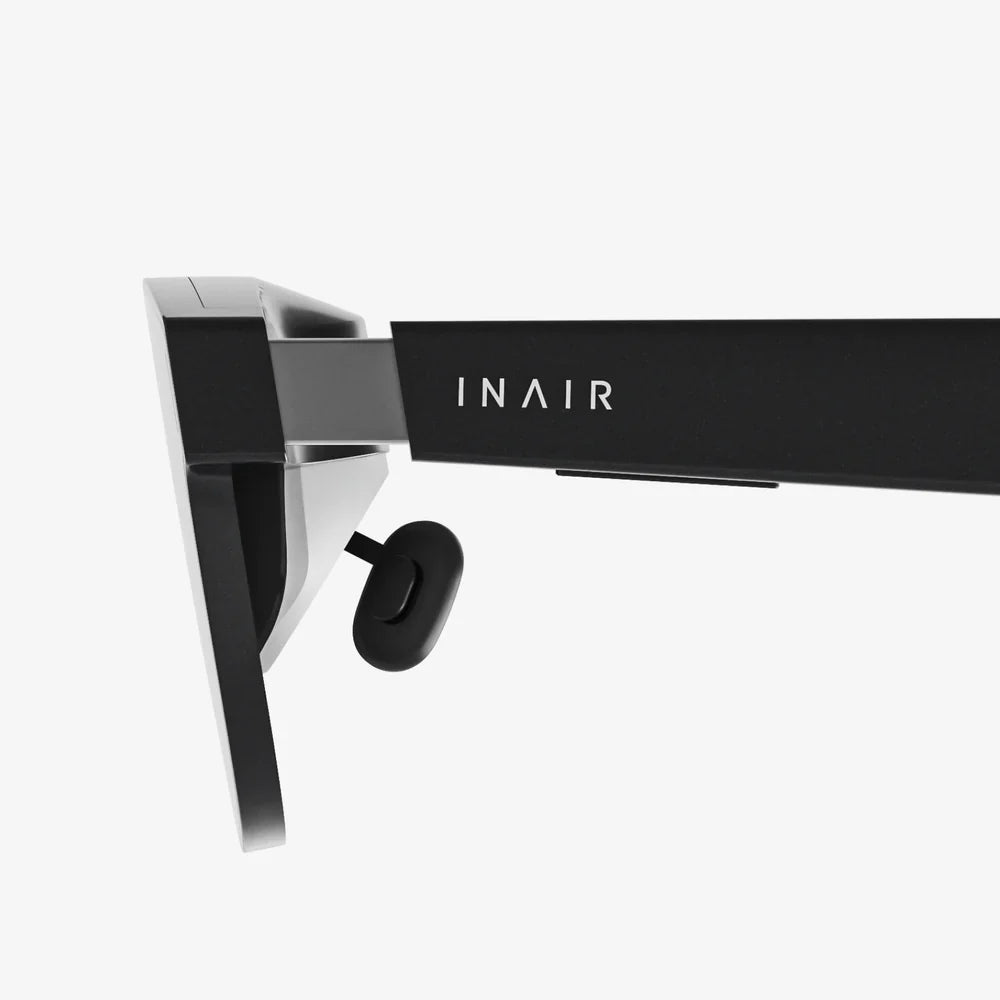
After initial stumbles, smart glasses are making a strong comeback. The current focus is less on overwhelming augmented reality (AR) displays and more on practical audio features, discreet notifications, and hands-free communication. Think of them as a sophisticated extension of wireless earbuds with a visual component. Future iterations are expected to seamlessly blend digital information with the real world, offering navigation prompts, translation of foreign text, and contextual information overlay—all controlled by voice and gesture.
Smart Clothing and Patches
The integration of technology into fabric is unlocking new possibilities. Shirts with woven-in sensors can measure breathing rate, running form, and muscle activity more accurately than a wrist-worn device. Smart shoes can analyze gait and balance. Furthermore, disposable electronic patches can monitor specific medical conditions for days or weeks, transmitting data directly to a clinician. This trend points towards a future where monitoring is truly invisible, woven into the very items we wear every day.
The Engine Room: AI and Machine Learning
None of these advanced features would be possible without the silent brainpower working behind the scenes: Artificial Intelligence (AI) and Machine Learning (ML). Raw sensor data is just noise without sophisticated algorithms to interpret it.
AI is the key to transforming massive datasets of heartbeats, sleep cycles, and activity levels into personalized, actionable insights. It learns a user's unique baselines and can detect subtle anomalies that might indicate a problem. It powers features like automated workout detection, personalized sleep coaching, and irregular rhythm notifications. The future of AI in wearables is predictive—anticipating potential health issues based on trends, suggesting optimal times for work and rest, and ultimately acting as a personalized AI health companion on your wrist.
Challenges and Considerations in a Connected World
Amidst the exciting headlines, the smart wearable devices news cycle also brings to light important challenges that must be addressed.
Data Privacy and Security
Wearables collect the most intimate data imaginable: our bodily functions, location, and daily habits. This creates a huge responsibility for manufacturers and a significant risk for users. Questions about who owns this data, how it is used, and who it is shared with are paramount. Robust encryption, transparent privacy policies, and giving users full control over their data are non-negotiable requirements for the industry's sustainable future.
Battery Life and Sustainability
As features proliferate, power demands increase. The constant charge cycle is a pain point for users. Innovations in low-power processors, display technology, and battery chemistry are critical. Furthermore, the environmental impact of producing, and eventually discarding, millions of devices with non-removable batteries is a growing concern. A focus on repairability, recycling programs, and longer device lifecycles is essential news for the eco-conscious consumer.
Accuracy and Regulation
While many devices are achieving medical-grade accuracy, not all claims are created equal. The line between a wellness gadget and a medical device is blurring, raising questions about validation and regulation. Users must understand the limitations of their devices—they are powerful tools for awareness and prevention but are not substitutes for professional medical diagnosis and care.
The Future: Invisible, Integrated, and Indispensable
Looking ahead, the trajectory of smart wearable devices news points towards a future where the technology becomes even more integrated and, ultimately, invisible. We are moving towards a paradigm of "ambient computing," where technology recedes into the background of our lives, proactively serving our needs without requiring constant attention.
Future devices will likely feature more advanced biosensors for continuous, non-invasive monitoring of biomarkers like glucose, lactate, and blood pressure. Brain-computer interfaces, though in early stages, hint at a future where we could control devices with our thoughts. The convergence of wearables with smart home ecosystems and electric vehicles will create a seamlessly connected personal environment that anticipates and adapts to your health and preferences throughout the day.
The next time you read a headline about a breakthrough in sensor miniaturization or a new health study powered by wearable data, remember that it's not just tech news. It's a glimpse into a future where each of us is empowered with a deep, continuous understanding of our own health, where prevention trumps cure, and where our technology doesn't demand our attention but quietly enhances our existence. The revolution isn't coming; it's already here, and it's ticking on your wrist, waiting for its next update.
Share:
Artificial Intelligence Products Are Reshaping Our World: A Deep Dive into the Present and Future
AI 2025: The Dawn of a New Intelligence and Its Global Implications