


Imagine a world where your watch not only tells time but also warns you of an impending health event, where your glasses translate foreign street signs in real-time, and where your clothing can monitor your posture and stress levels throughout the day. This is no longer the realm of science fiction; it is the present and rapidly expanding reality powered by smart wearable technology. This silent revolution, worn on our wrists, perched on our faces, and woven into our fabrics, is seamlessly integrating data and connectivity into the very fabric of our daily existence, creating a more intuitive, informed, and proactive human experience.
From Chronometers to Companions: The Meteoric Rise of the Wrist
The journey of smart wearables began not with a bang, but with a subtle beep. Early iterations were simple extensions of our computers and phones—tools for receiving notifications and tracking basic activity. They were often clunky, limited in function, and required frequent charging. However, the foundational idea was powerful: to bring technology closer to the user, making it more immediate and less intrusive than a device that must be pulled from a pocket.
The true catalyst for the wearable boom was the convergence of several technological advancements. The miniaturization of sensors, breakthroughs in low-power processing, and the ubiquity of high-speed connectivity created the perfect storm. Suddenly, it became possible to pack an array of sophisticated components—optical heart rate monitors, accelerometers, gyroscopes, GPS modules, and more—into a device slim enough to be worn comfortably 24/7. This constant wearability unlocked the most valuable asset of all: continuous, longitudinal data. Unlike a snapshot from a doctor's visit, this data painted a dynamic, holistic picture of an individual's life, from sleep patterns and exercise intensity to resting heart rate and overall activity levels.
The Beating Heart of Innovation: Health and Wellness Monitoring
Perhaps the most profound impact of smart wearable technology has been in the domain of personal health and wellness. These devices have democratized access to health metrics that were once available only in clinical settings, empowering individuals to take a more active role in their own well-being.
- Activity Tracking: The step counter, or pedometer, became the gateway feature. It introduced the concept of quantifiable daily movement goals, turning abstract health advice into tangible, achievable targets. This evolved into tracking active minutes, calories burned, floors climbed, and distance traveled, providing a comprehensive overview of physical exertion.
- Sleep Analysis: By monitoring movement and heart rate variability during sleep, wearables can provide insights into sleep duration, quality, and stages (light, deep, REM). This data helps users identify patterns affecting their rest, such as late-night caffeine, screen time, or stress, enabling them to make informed adjustments for better sleep hygiene.
- Advanced Physiological Monitoring: Modern devices go far beyond basics. Electrocardiogram (ECG) apps can detect signs of atrial fibrillation, a serious heart condition. Blood oxygen saturation (SpO2) sensors can provide insights into respiratory health. Skin temperature sensors can track cyclical variations or signal the onset of illness. Newer technologies are exploring non-invasive blood glucose monitoring and blood pressure tracking, which could be revolutionary for managing chronic conditions.
- Mental Well-being: By analyzing metrics like heart rate variability and sleep data, some wearables now offer stress tracking and guided breathing exercises to help users manage anxiety and find moments of calm in their day.
This shift is moving healthcare from a reactive model—treating illness after it occurs—to a proactive and preventative one. The goal is to use data to identify potential issues early, encourage healthier habits, and provide individuals and their healthcare providers with a rich dataset for better-informed decisions.
Beyond the Wrist: The Expanding Universe of Wearable Form Factors
While wrist-worn devices dominate the market, innovation is flourishing across a diverse range of form factors, each designed for a specific purpose and context.
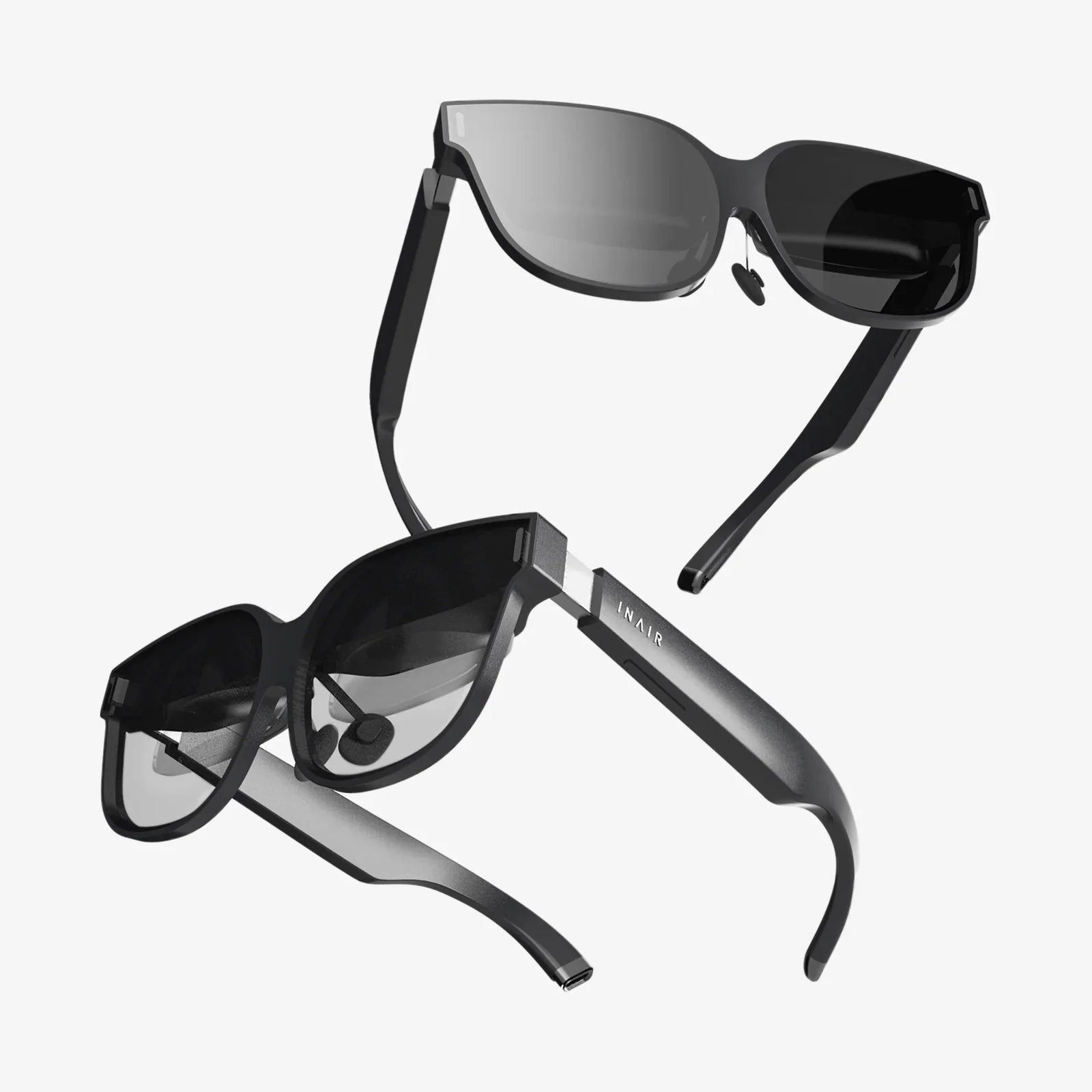
- Smart Eyewear: These devices aim to overlay digital information onto the real world. From displaying navigation prompts and messages directly in your line of sight to recording videos hands-free and offering real-time language translation, smart glasses represent the pursuit of augmented reality (AR) as a seamless part of daily life. They promise to change how we work, learn, and explore our environment.
- Smart Audio: Earbuds and headphones have evolved into intelligent hearing instruments. They offer active noise cancellation for focus, transparent modes to amplify real-world sounds, and integrated voice assistants for on-the-go control. Future iterations may include advanced biometric tracking and augmented audio experiences.
- Smart Clothing:
and Fabrics: This category embeds sensors directly into textiles. Shirts can monitor respiratory rate and muscle activity during workouts, socks can analyze running gait to prevent injury, and insoles can measure weight distribution and balance. This approach offers the advantage of a larger surface area for more accurate sensor placement and a truly unobtrusive experience.
- Specialized Medical Devices: Continuous Glucose Monitors (CGMs) worn on the arm for diabetics and smart patches that deliver medication or monitor specific vital signs are examples of wearables designed for rigorous clinical-grade monitoring, blurring the line between consumer electronics and medical devices.
The Invisible Engine: Connectivity and the Ecosystem
A wearable device is not an island; its power is magnified by its connections. These devices act as personal data hubs, constantly gathering information and relaying it to our smartphones and the cloud. This connectivity enables several critical functions:
- Data Syncing and Analysis: The raw data collected by the sensors is processed and analyzed by powerful algorithms on connected devices or in the cloud, turning millions of data points into understandable insights and trends.
- Notifications and Alerts: They keep us connected to our digital lives with discreet alerts for calls, messages, and apps, reducing the need to constantly check our phones.
- Safety and Security: Features like fall detection, which can automatically alert emergency services and contacts if a hard fall is detected, and location sharing provide peace of mind for users and their loved ones.
- Integration with Smart Environments: Wearables are becoming the remote control for our smart homes, allowing us to adjust thermostats, turn on lights, or unlock doors with a simple gesture or voice command spoken into a wristpiece or earbud.
Navigating the Challenges: Privacy, Security, and the Human Element
As with any transformative technology, the rise of smart wearables brings significant challenges that must be thoughtfully addressed.
- Data Privacy and Ownership: These devices collect a deeply intimate portrait of our lives—where we go, how we sleep, our heart rhythms, and more. Critical questions arise: Who owns this data? How is it being used? Is it being aggregated, anonymized, and sold to third parties? Robust transparency from companies and clear, stringent data protection regulations are essential to maintain user trust.
- Cybersecurity: A wearable device is another endpoint vulnerable to hacking. A breach could expose highly sensitive health information or even allow malicious actors to track a user's location in real-time. Ensuring end-to-end encryption and regular security updates is paramount.
- Accuracy and Reliability: While impressive, consumer-grade sensors are not infallible. Misreadings can cause unnecessary anxiety or, conversely, provide a false sense of security. Users must understand the limitations of these devices and that they are wellness aids, not replacements for professional medical diagnosis and care.
- The Human Connection: There is a risk of becoming overly reliant on data, potentially leading to health anxiety or "analysis paralysis." The numbers on a screen should not override listening to one's own body. The technology should serve as a tool for enhancement, not a source of constant stress or a replacement for human intuition and professional medical advice.
Glimpsing the Horizon: The Future Woven into Our Being
The trajectory of smart wearable technology points toward even deeper integration. We are moving toward devices that are virtually invisible—hearables that fit seamlessly, smart contact lenses, and even epidermal electronics, which are ultra-thin sensors stuck on the skin like a temporary tattoo. These advancements will make continuous monitoring even more effortless.
Artificial Intelligence (AI) and machine learning will act as the brain of this operation, shifting from simply reporting data to providing true contextual intelligence and predictive insights. A device won't just tell you you slept poorly; it will cross-reference your sleep data with your stress levels, calendar, and activity to suggest a specific wind-down routine for the following evening. It could analyze subtle changes in your heart rate pattern to suggest you might be getting sick before any symptoms appear.
Furthermore, the future lies in interoperability—a cohesive ecosystem where your wearable, your phone, your car, and your home all work in concert, anticipating your needs and creating a fluid, responsive environment tailored to you.
The true promise of smart wearable technology is not just in the data it collects, but in the actions it inspires and the freedom it enables. It's about getting a nudge to move after an hour at your desk, being alerted to a potential health issue in time to address it, having instant access to information without breaking your stride, and ultimately, living a healthier, safer, and more connected life. This invisible layer of intelligence, woven into the everyday, is quietly empowering us to become the best versions of ourselves, one data point at a time.
Share:
Virtual Office Business: The Definitive Guide to the Future of Work
HCI Technology The Invisible Revolution Reshaping Our Digital Lives