


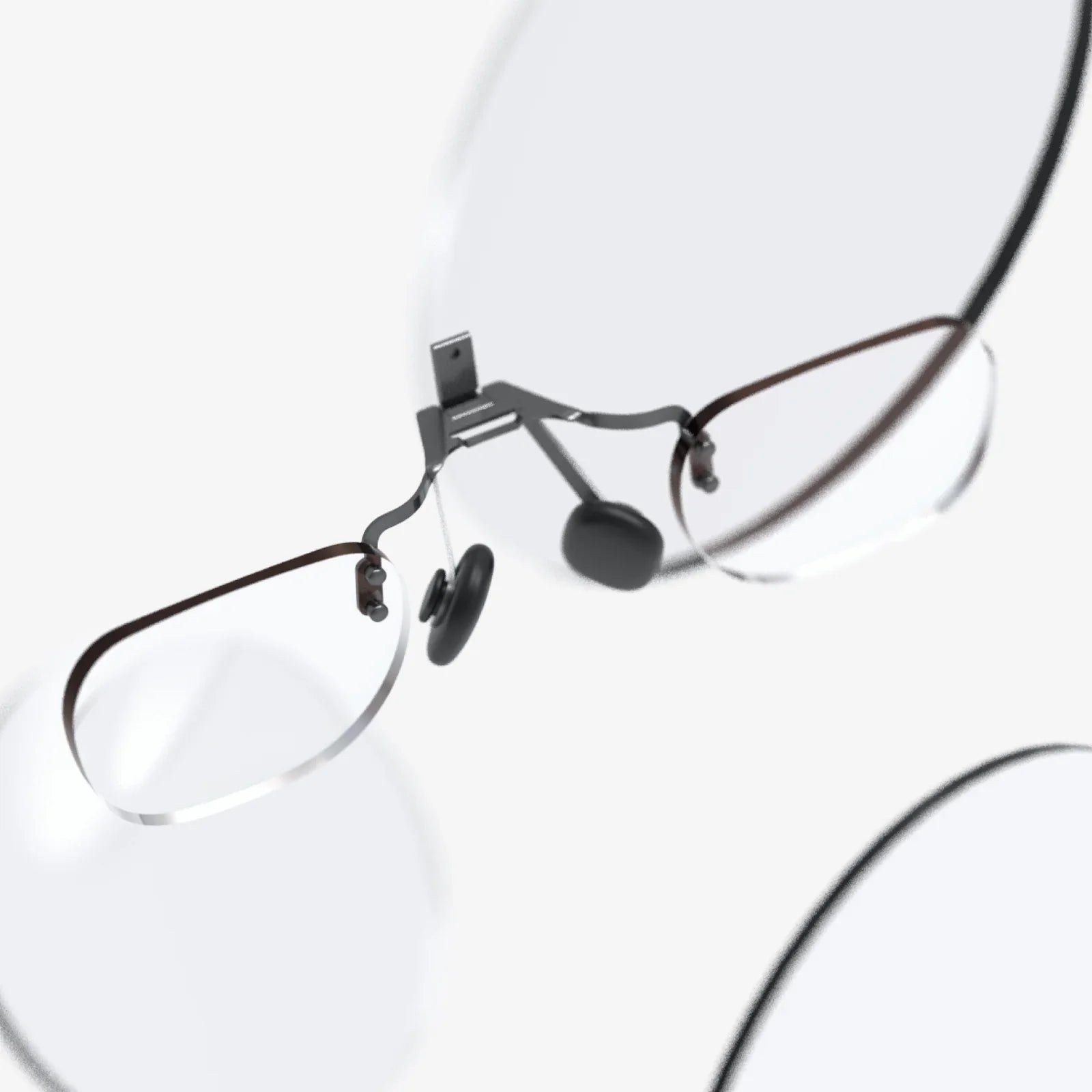
Imagine a world where your watch not only tells time but also saves it, where your glasses don’t just help you see but help you understand, and where your clothing does more than keep you warm—it keeps you informed. This is no longer the realm of science fiction; it is the present reality, powered by an explosive array of smart wearables examples that are seamlessly integrating technology into the very fabric of our daily lives. These devices are quietly transforming how we monitor our health, navigate our cities, connect with others, and experience the world around us, moving computing from our pockets onto our bodies in increasingly intimate and powerful ways.
The Wrist-Worn Revolution: More Than Just Timekeeping
The wrist has become the primary battleground for wearable technology, offering a perfect blend of convenience and visibility. The most common smart wearables examples in this category have evolved far beyond their initial purpose.
Advanced Fitness and Wellness Trackers
Modern devices are sophisticated health monitors. They continuously track a user’s heart rate through photoplethysmography (PPG), measuring blood volume changes right from the wrist. They employ accelerometers and gyroscopes to count steps, calculate distance traveled, and even identify specific activities like running, swimming, or cycling. Crucially, they have moved into advanced health metrics, including:
- Sleep Stage Analysis: Tracking light, deep, and REM sleep patterns to provide insights into sleep quality.
- Blood Oxygen Saturation (SpO2) Monitoring: Offering readings that can indicate overall respiratory wellness.
- Electrocardiogram (ECG) Appointments: Allowing users to take a medical-grade ECG from their wrist to detect signs of atrial fibrillation.
- Stress and Recovery Metrics: Using heart rate variability (HRV) to suggest moments for mindfulness and recovery.
Smartwatches: The Wrist-Based Computer
Building on the tracker's foundation, smartwatches function as miniature smartphones. They deliver notifications for calls, messages, and apps directly to the wrist, allowing for quick, discreet interactions. They can stream music, make contactless payments, and provide turn-by-turn navigation. For athletes, they offer incredibly detailed performance metrics, including VO2 Max estimates, ground contact time, and recovery advice. They are arguably the most versatile and popular smart wearables examples available today.
Hearables: Intelligent Sound and Personal Assistance
Another category of prolific smart wearables examples is hearables. These are far more than simple wireless headphones; they are platforms for auditory computing.
True Wireless Earbuds with Smart Features
The latest models offer active noise cancellation (ANC) to create personal zones of silence, and transparency modes to amplify important ambient sounds, like traffic or a conversation partner. They often integrate deeply with voice assistants, allowing users to control their smart home, set reminders, or get answers without touching a phone. Advanced models are incorporating:
- Real-Time Language Translation: Offering near-instant translation of conversations between two people wearing paired earbuds.
- Biometric Feedback: Using built-in sensors to monitor heart rate and body temperature during workouts.
- Spatial Audio and Head Tracking: Creating an immersive, cinema-like sound experience for movies and music.
- Hearing Enhancement: Functioning as high-tech hearing aids, amplifying sounds in specific frequencies for those with mild hearing loss.
Smart Eyewear: Augmenting Your Reality
Perhaps the most futuristic of all smart wearables examples are those designed for our eyes. This category aims to overlay digital information onto the physical world.
Augmented Reality (AR) Glasses
These devices use transparent displays or projectors to beam information directly into the user’s field of vision. Imagine walking through a city and seeing navigation arrows painted onto the street, or looking at a restaurant and seeing its reviews and menu hover beside it. For professionals, AR glasses can display schematics for an engineer, patient vitals for a surgeon, or script lines for a news reporter—all hands-free. While consumer adoption is still growing, enterprise applications are thriving.
Smart Fitness Glasses
A specialized subset designed for athletes, these glasses often feature a small heads-up display that shows performance metrics like pace, heart rate, power, and route maps. This allows runners and cyclists to keep their eyes on the path ahead instead of looking down at a wrist-mounted device, enhancing both safety and performance.
Smart Apparel: The Technology Woven Into Fabric
Moving beyond accessories, technology is being woven directly into the clothes we wear, creating some of the most discrete and powerful smart wearables examples.
Biometric Sensing Shirts and Garments
These items have conductive fibers and embedded sensors integrated directly into the fabric, positioned to make optimal contact with the skin. This allows for electrocardiogram (ECG) readings that are more accurate than wrist-based ones, as well as detailed monitoring of breathing rate, muscle activity, and workout intensity. They are used by professional athletes for precision training and by medical researchers for continuous, unobtrusive patient monitoring.
Smart Shoes and Socks
Footwear has been reimagined with technology. Smart running shoes can analyze gait, cadence, and foot strike pattern, offering real-time coaching through a connected app to improve form and prevent injury. Some even feature adaptive cushioning that automatically adjusts its firmness based on the running surface. Smart socks for newborns can monitor vital signs like heart rate and blood oxygen levels, providing parents with peace of mind.
Medical and Health-Focused Devices: Clinical-Grade Wearables
This category represents the most critical smart wearables examples, as they transition from wellness into actual healthcare, often requiring regulatory approval.
Continuous Glucose Monitors (CGMs)
Worn on the arm or abdomen, these small sensors measure glucose levels in interstitial fluid continuously throughout the day and night. They transmit data to a smartphone app, allowing individuals with diabetes to see real-time trends and receive alerts for dangerous highs or lows. This technology has revolutionized diabetes management, moving away from painful finger-prick tests.
Smart Patches and Adhesive Sensors
These single-use, disposable devices stick to the skin like a bandage and can monitor a vast array of physiological data for days at a time. They are used in hospitals for remote patient monitoring, tracking core body temperature, heart rhythm, respiratory rate, and even medication adherence. They enable patients to recover at home while still being closely watched by their medical team.
Connected Hearing Aids
Modern hearing aids are sophisticated computers for the ears. They can stream audio directly from a phone or television, use AI to automatically filter and focus on conversation in a noisy room, and be adjusted remotely by an audiologist via an internet connection, eliminating the need for office visits for minor tweaks.
The Future on Your Body: Emerging and Niche Wearables
The innovation in this field shows no signs of slowing down, with new and niche smart wearables examples constantly emerging.
Smart Rings
Offering a minimalist, jewelry-like form factor, these rings pack sensors for activity tracking, sleep monitoring, and even contactless payments. Their primary advantage is their ability to be worn continuously, even during sleep, often providing more consistent data than a device that is taken off at night.
Wearable Biosensors
Devices are being developed to monitor hydration levels, alcohol content in sweat, and even early biomarkers for diseases like COVID-19 or the flu, potentially serving as early warning systems for illness.
Smart Headbands for Focus
Using electroencephalography (EEG) sensors, these headbands measure brainwave activity. They can provide feedback on your focus levels during work or meditation, and some can even trigger sounds to help you fall asleep or wake up feeling refreshed by tracking your sleep cycles.
The line between human and machine is blurring, not on a distant horizon, but right here on our wrists, in our ears, and before our eyes. The most compelling smart wearables examples are those that fade into the background, working so intuitively that they feel less like gadgets and more like natural extensions of our own capabilities. They promise a future where technology doesn’t demand our attention but quietly enhances our perception, health, and connection to the world, empowering us to live smarter, healthier, and more efficient lives with every step we take.
Share:
AR Financing: The Strategic Tool Transforming Business Cash Flow and Growth
Trendy Digital Products: Navigating the Hype to Find What Truly Enhances Your Life