


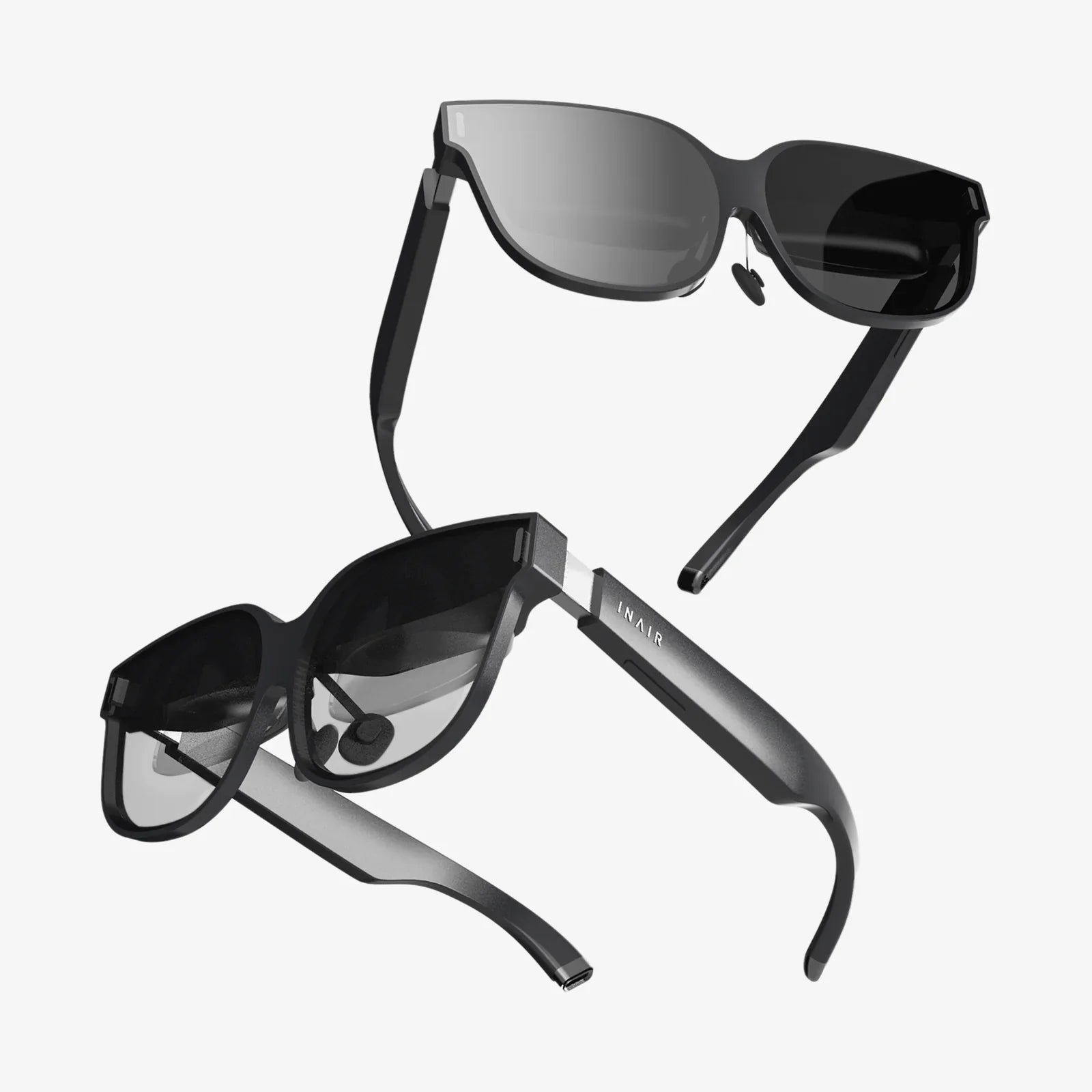
Imagine a world where your watch doesn't just tell time, but tells you about your health; where your glasses don't just correct your vision, but augment your reality; where your clothing doesn't just keep you warm, but monitors your posture. This is no longer the realm of science fiction. It is the present, and it is defined by the rapid, pervasive rise of smart wearables. But beyond the sleek marketing and glossy advertisements lies a deeper, more complex reality. To truly understand the smart wearables meaning is to embark on a journey into the future of personal technology, a future that is intimately intertwined with our bodies, our data, and our daily lives.
Deconstructing the Term: What Does "Smart Wearable" Actually Mean?
At its most fundamental level, a smart wearable is a miniature electronic device, often equipped with sophisticated sensors and connectivity features, designed to be worn on the body. The "smart" component signifies its computational power and ability to connect to other devices, typically a smartphone or a cloud network, to process and relay information. The "wearable" aspect is what truly sets this category apart, anchoring the technology to our physical selves in a continuous, unobtrusive manner.
This definition, however, only scratches the surface. The true smart wearables meaning extends beyond hardware to encompass a symbiotic relationship between human and machine. These devices act as an extension of our senses, capturing data about ourselves and our environment that was previously imperceptible or difficult to track. They are not merely tools we use; they are partners in our daily existence, creating a continuous feedback loop between our physical state and digital intelligence.
The Evolutionary Leap: From Pedometers to AI-Powered Health Guardians
The concept of wearables is not new. For decades, simple pedometers counted our steps. Hearing aids have long been worn to enhance auditory perception. The revolutionary shift occurred with the convergence of several technological advancements: the miniaturization of sensors, the proliferation of powerful low-energy microprocessors, the ubiquity of high-speed wireless connectivity (like Bluetooth and Wi-Fi), and the development of advanced algorithms for data analysis.
This convergence transformed basic devices into intelligent systems. Early modern wearables focused on fitness tracking—counting steps, measuring distance, and estimating calorie burn. This was the entry point for the masses. Today, the smart wearables meaning has expanded exponentially. They now incorporate:
- Advanced Biometric Sensors: Optical heart rate monitors, electrocardiogram (ECG) sensors, blood oxygen saturation (SpO2) monitors, skin temperature sensors, and even continuous glucose monitors (CGMs).
- Environmental Sensors: Microphones, altimeters, GPS, and ambient light sensors.
- Sophisticated Software: Machine learning algorithms that can detect patterns, identify anomalies like atrial fibrillation, provide personalized health insights, and even predict potential health events.
This evolution has shifted the primary function from mere activity tracking to comprehensive health and wellness management, making the device less of a gadget and more of a personal health guardian.
The Ecosystem of Wearables: More Than Just Wrist-Worn Devices
While smartwatches and fitness bands dominate the market, the universe of wearables is vast and diverse. The full smart wearables meaning is only realized by exploring this entire spectrum:
- Smartwatches: The quintessential wearable, acting as a secondary screen for a smartphone, a fitness tracker, a notification hub, and a standalone communication device.
- Fitness Trackers: Often more lightweight and focused purely on health and activity metrics, with longer battery life.
- Smart Eyewear: Ranging from glasses with built-in speakers and microphones for calls and music to full augmented reality (AR) glasses that overlay digital information onto the real world.
- Hearables: Advanced wireless earbuds that do far more than play audio. They often feature active noise cancellation, real-time language translation, integrated voice assistants, and biometric sensing.
- Smart Clothing: Shirts, shoes, and socks woven with conductive threads and sensors to monitor muscle activity, running form, posture, and a wider range of biometrics than a wrist-based device can capture.
- Medical Wearables: FDA-approved devices for continuous ECG monitoring, patch-based sensors for chronic disease management, and smart inhalers for asthma patients.
This diversity demonstrates that the form factor is adapting to the function, moving technology from our pockets and onto our bodies in the most contextually appropriate way.
The Data Dilemma: The Double-Edged Sword of Self-Knowledge
At the core of the smart wearables meaning is data—an unprecedented stream of personal, physiological, and behavioral data. This is both their greatest promise and their most significant point of contention.
On one hand, this data empowers individuals with knowledge. For the first time in history, people can quantify their sleep quality, track their heart rate variability as a measure of stress, monitor blood oxygen levels, and receive early warnings of potential heart issues. This democratization of health data fosters a proactive approach to wellness, moving from reactive healthcare to continuous self-care. It provides objective insights that can motivate behavioral change, validate feelings of illness or wellness, and create a rich dataset to share with medical professionals for more informed diagnoses.
On the other hand, this intimate data collection raises profound questions. Who owns this data? How is it being used, stored, and secured? Could it be sold to third parties, such as insurance companies or employers, potentially leading to discrimination based on health metrics? The constant monitoring can also lead to anxiety and obsession, a condition sometimes called "orthosomnia"—the unhealthy pursuit of perfect sleep data. The meaning of these devices is thus inextricably linked to the ethical implications of the data they harvest, demanding robust privacy laws, transparent corporate policies, and informed user consent.
The Societal Impact: Connecting, Isolating, and Changing Behavior
The influence of smart wearables extends far beyond the individual, reshaping social norms and interactions. They have created new forms of community and connection through shared activity challenges and leaderboards, fostering motivation and a sense of camaraderie among friends and strangers alike.
Conversely, they can be a source of social friction. Glancing at a watch during a conversation can be perceived as rude, signaling that a notification is more important than the person speaking. The constant influx of alerts can pull users out of the present moment, contributing to the phenomenon of "phubbing" (phone snubbing) but from the wrist. Furthermore, the quantified self-movement, while empowering for some, risks creating a new social divide between those who can afford and interpret this technology and those who cannot, potentially exacerbating existing health disparities.
Perhaps most significantly, wearables are powerful instruments of behavioral nudging. Through gentle vibrations reminding you to move, celebratory animations for achieving goals, and weekly reports on your progress, they employ principles of behavioral psychology to encourage healthier habits. This represents a subtle but profound shift in how technology guides our actions, moving from passive tools to active coaches in our lives.
Gazing into the Crystal Ball: The Future of Wearable Technology
The current state of wearables is merely a prelude to a more integrated future. The next chapter in the smart wearables meaning will be defined by several key trends. The line between medical and consumer devices will continue to blur, with more advanced health monitoring features becoming standard. We will see a move towards more invisible integration, with technology woven directly into fabrics, attached as discreet skin patches, or even embedded in smart contact lenses.
Artificial intelligence will become the central nervous system of wearables, transforming them from data collectors to predictive and prescriptive advisors. Imagine a device that doesn't just tell you you're stressed, but analyzes your schedule, biometrics, and environment to predict a stressful episode an hour before it happens and suggests a breathing exercise to mitigate it. Furthermore, the future lies in interoperability—a seamless ecosystem where your smart glasses, hearables, watch, and clothing all communicate with each other to provide a unified, context-aware experience without the need for constant smartphone mediation.
The ultimate expression of this technology may be bidirectional interfaces—devices that not only read data from the body but also write to it, perhaps through haptic feedback for navigation, or targeted electrical stimulation for rehabilitation or even mood enhancement.
The journey to understand the smart wearables meaning reveals a technology that is far more than a trendy accessory. It is a portal to a deeper understanding of ourselves, a catalyst for a health revolution, and a formidable force reshaping our relationship with technology. It promises a future of enhanced human potential, but it also demands careful navigation of the ethical and societal rapids it creates. The device on your wrist is just the beginning; the real story is the silent, data-rich conversation it has started between you and the digital world.
Share:
Smart Working Place: The Future of Productivity and Employee Well-being
Clear Glasses with AR Coating: The Ultimate Guide to Unseen Clarity and Protection