


- by wangfred
Smart Wireless Sunglasses The Ultimate Fusion of Fashion and Technology
- by wangfred
Imagine a world where your most stylish accessory does more than just protect your eyes from the sun; it connects you to a digital universe, responds to your voice, and delivers a pristine audio experience, all without a single visible wire. This isn't a scene from a sci-fi movie—it's the reality offered by smart wireless sunglasses, the most seamless and futuristic wearables to hit the market. They represent the next logical step in the evolution of personal technology, moving beyond our wrists and pockets to sit proudly on our faces, combining indispensable utility with undeniable cool.
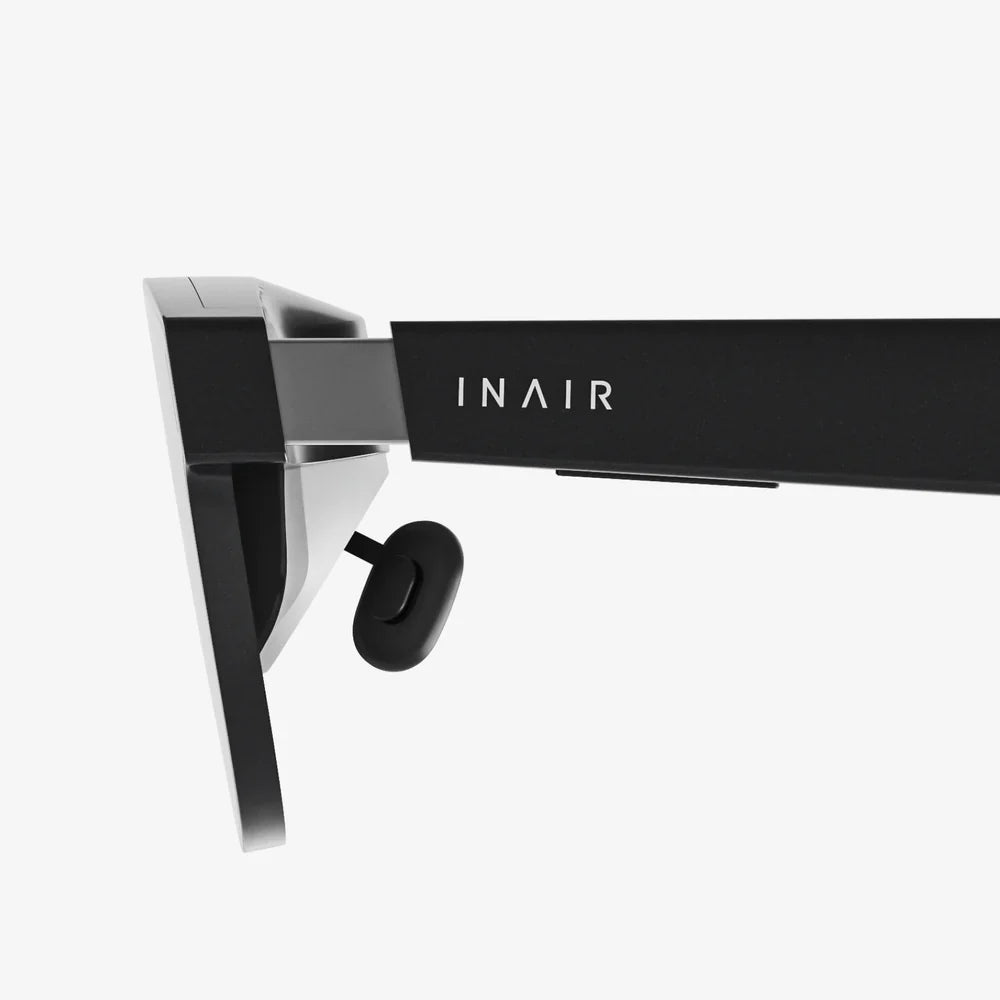
At first glance, a pair of high-end smart sunglasses is indistinguishable from a classic, fashion-forward pair of shades. The magic lies in the meticulous engineering required to pack advanced technology into a form factor that is both lightweight and durable. The core components are miniaturized and strategically distributed throughout the frame to maintain balance and comfort.
The temples, or arms, of the sunglasses house the most critical hardware. Here, you'll find miniature speakers that sit just off the ear. Unlike traditional headphones that create a seal, these speakers use innovative audio delivery methods, often involving directional sound or bone conduction technology, to project audio directly into the ear canal without blocking ambient noise. This allows the wearer to enjoy music, podcasts, and calls while remaining fully aware of their surroundings—a critical feature for urban commuting or outdoor activities.
Embedded within the frame are microphones, often multiple, equipped with advanced beamforming and noise-suppression algorithms. These microphones are designed to isolate the user's voice from wind and background clamor, ensuring crystal-clear call quality. The heart of the system is a tiny, powerful system-on-a-chip (SoC) that acts as the brain, processing audio, managing connectivity, and interpreting voice commands.
Powering all this innovation is a high-density battery, seamlessly integrated into the frame. Despite its small size, it must deliver several hours of continuous audio playback and talk time, with a charging solution—typically a sleek, portable charging case—that provides multiple additional charges on the go.
The primary function of any audio device is to deliver sound, and smart sunglasses approach this task with a unique philosophy. The open-ear design is its greatest strength, prioritizing situational awareness without sacrificing quality.
For music lovers, the experience is liberating. There's no pressure on the ears, no cord tangling in your bag, and no isolation from the world. The sound quality is surprisingly rich and full-bodied, designed for personal listening rather than room-filling volume. It’s the perfect companion for a run in the park, where you can hear your playlist and the birds chirping simultaneously, or for a bike ride through city streets where hearing traffic is a matter of safety.
For the modern professional, the hands-free calling capabilities are a game-changer. Walking between meetings, running errands, or simply lounging outside, answering a call is as simple as a double-tap on the frame. The microphone array ensures your voice comes through clearly, making it feel as if you're speaking from a quiet room even if you're on a windy street corner. This seamless integration of communication into daily life reduces the friction of constant device interaction, allowing for a more present and engaged experience.
While audio is the current cornerstone, the true potential of smart wireless sunglasses lies in their role as a platform for augmented reality (AR). The frame is the perfect vessel for embedding displays and sensors that can overlay digital information onto the physical world.
Early iterations of this technology are already here. Imagine walking through a foreign city where navigation arrows are projected onto your lenses, guiding you to your next destination without ever needing to look down at your phone. Or visiting a museum and having information about each painting appear before your eyes as you gaze upon it. The sunglasses can recognize objects and locations, pulling relevant data from the cloud to enhance your reality.
This technology also has profound implications for productivity and accessibility. Real-time language translation could be displayed for signs and conversations, breaking down communication barriers. For individuals with visual impairments, audio cues and highlighted pathways could provide greater independence. The frame serves as an always-available, hands-free display, making information instantly accessible and contextual.
A device that sits on your face must first and foremost be a fashion statement. Unlike other wearables that can be hidden, sunglasses are a central part of personal expression. Manufacturers understand that technological capability is meaningless if the product isn't desirable.
Consequently, the design process is a relentless pursuit of elegance and minimalism. Frames are crafted from premium materials like custom acetates, lightweight grilamid, and titanium, ensuring they feel as good as they look. They come in a variety of classic and contemporary shapes—aviators, wayfarers, rounds—catering to diverse tastes. The technological components are completely invisible; there are no bulky protrusions or awkward LEDs to ruin the sleek silhouette.
The goal is to create a product that people choose to wear regardless of its smart features. The technology is the bonus, not the defining characteristic. This focus on design ensures mass-market appeal, moving the product out of the realm of tech gadgets and into the world of luxury accessories.
No emerging technology is without its hurdles. The always-on, voice-activated nature of these devices raises valid privacy concerns. The idea of a camera and microphone on your face can be unsettling. Addressing this requires transparent data policies, physical hardware switches to disable microphones and cameras, and clear, audible indicators when recording is active. Building trust is paramount for widespread adoption.
Battery life remains a constant battle of physics. Engineers must balance the demand for more features with the limitations of current battery technology, all while keeping the frames light. The solution has been the ubiquitous charging case, which has become a stylish and functional accessory in its own right.
Looking forward, the evolution will be rapid. We can expect improvements in biometric sensors for health tracking, more immersive AR experiences with wider fields of view, and even deeper integration with our digital ecosystems. The convergence of AI and AR will make these devices more intuitive and predictive, acting as a true personal assistant that sees what you see and helps you navigate your day.
The journey of the smart wireless sunglasses is just beginning. They are poised to become a central hub for our digital lives, offering a less intrusive, more integrated alternative to smartphones. They promise a future where technology enhances our experiences without distracting from them, where we can be more connected to our data and more connected to the world around us simultaneously. It’s a future where the line between the physical and digital realms gracefully blurs, right before our eyes.
This isn't just about listening to music; it's about redefining your interaction with the digital world from a first-person perspective. The next time you reach for your sunglasses, you won't just be shielding your eyes—you'll be putting on a powerful computer, a communication hub, and a window to a new layer of reality, all disguised in a package of effortless style. The future looks bright, and it’s being filtered through the most intelligent lenses ever created.
Share:
VR Glasses for Mac: The Ultimate Guide to Unlocking a Virtual Reality Experience on Your Apple Computer
Smart Sunglasses with AI: The Next Frontier in Wearable Technology