


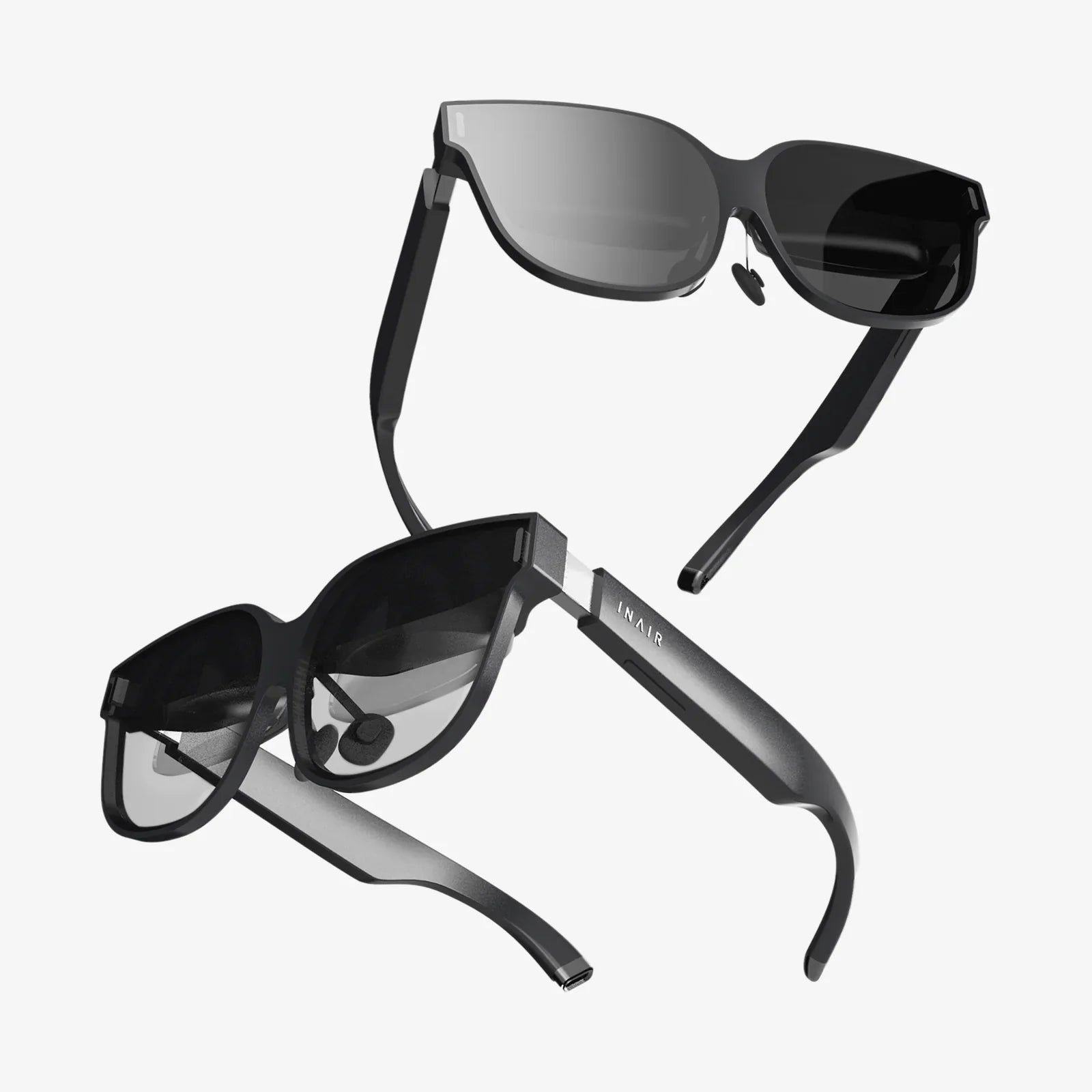
Imagine a workday that feels less like a relentless grind and more like a seamless, intuitive flow. A world where your digital environment anticipates your needs, automates the mundane, and frees your mind for the creative, strategic thinking that truly moves the needle. This isn't a distant sci-fi fantasy; it's the tangible reality being built today through the rapid evolution of smart work technology. This powerful paradigm shift is redefining productivity, not by demanding more hours, but by empowering us to achieve more with focused intention and intelligent tools. The future of work is not just remote; it's smart, and it's arriving faster than you think.
The Philosophy Behind the Technology: Beyond Mere Tools
To understand smart work technology, we must first move beyond the concept of it being just a suite of apps or gadgets. It represents a fundamental philosophical shift in our approach to work. The old model, often termed "hard work," prized long hours, visible busyness, and manual effort. The new model, "smart work," champions outcomes, efficiency, and leverage. It asks a simple but profound question: how can we use technology to eliminate friction, reduce cognitive load, and amplify human potential?
This philosophy is rooted in the understanding that our most valuable resource is not time, but attention and energy. Smart work technology is designed to be a custodian of these resources. It's not about working for the technology; it's about the technology working for you. It integrates seamlessly into workflows, gathering data, automating processes, and providing insights that allow individuals and teams to make better decisions, faster. The goal is to create a symbiotic relationship between human intuition and machine intelligence, where each handles what it does best.
Core Components of a Smart Work Ecosystem
The ecosystem of smart work technology is vast and interconnected, but it can be broken down into several key components that work in concert to create a intelligent and responsive work environment.
Intelligent Automation and Integration Platforms
At the heart of smart work lies automation. This goes far beyond simple email filters. Modern automation platforms allow users to create complex workflows that connect disparate applications, moving data and triggering actions without any human intervention. Imagine a scenario where a new sales lead automatically gets added to a CRM, a task is created in a project management tool for a follow-up, a personalized welcome email is sent, and a notification is pinged to a Slack channel—all from a single form submission. This eliminates repetitive data entry, reduces errors, and ensures nothing falls through the cracks, allowing teams to focus on high-value interactions.
Unified Communication and Collaboration Hubs
The fragmentation of communication is a major productivity killer. Switching between email, instant messaging, video conferencing, and document comments creates context switching that drains mental energy. Smart collaboration hubs aim to unify these channels. These platforms integrate video calls, chat, file sharing, and whiteboarding into a single, searchable interface. Furthermore, they are becoming smarter, featuring capabilities like meeting transcription, automatic translation in real-time, and AI-generated meeting summaries that highlight action items and key decisions, making asynchronous collaboration more effective than ever.
AI-Powered Analytics and Decision Intelligence
Data is abundant, but insight is rare. Smart work technology leverages artificial intelligence and machine learning to sift through vast amounts of operational data to provide actionable intelligence. This can range from predictive analytics forecasting project timelines and potential bottlenecks to sentiment analysis gauging team morale from communication patterns. These tools don't make the decision for you; they equip you with a deeper, data-driven understanding of your business, enabling leaders to allocate resources more effectively and identify opportunities for improvement that would otherwise remain hidden.
Focus and Wellness Applications
True smart work recognizes that a burned-out employee is an unproductive one. A new category of technology is focused on protecting human focus and promoting well-being. This includes tools that block distracting websites during deep work sessions, apps that use AI to schedule focused time automatically on your calendar, and platforms that encourage regular breaks and mindfulness exercises. By safeguarding mental focus and preventing digital burnout, these technologies ensure that the time spent working is of the highest possible quality.
The Tangible Benefits: Why the Shift is Imperative
Adopting a smart work approach yields significant benefits that cascade throughout an organization, impacting everything from individual satisfaction to the bottom line.
Radical Increases in Productivity and Efficiency
The most immediate impact is a dramatic surge in productivity. By automating routine tasks, employees reclaim hours each week. By integrating systems, meetings become shorter and more purposeful. By providing data-driven insights, strategies become more effective. This isn't about squeezing more output from people; it's about removing the barriers that prevent them from doing their best work. Companies that embrace these tools often find that their teams can accomplish more in a 30-hour focused week than they previously could in 50 hours of fragmented effort.
Enhanced Employee Experience and Talent Retention
Top talent gravitates towards environments that are efficient, modern, and respectful of their time. A workplace cluttered with bureaucratic hurdles and manual processes is frustrating. Implementing smart work technology signals to employees that the company is invested in empowering them and improving their daily experience. This leads to higher job satisfaction, reduced frustration, and significantly improved retention rates. When people feel their time is valued and their tools are effective, they are more engaged, loyal, and motivated.
Data-Driven Culture and Informed Strategic Direction
When smart technology is woven into the fabric of operations, it generates a continuous stream of valuable data. This moves decision-making away from gut feelings and towards empirical evidence. Leaders can see which projects are on track, which processes are inefficient, and how teams are collaborating. This fosters a culture of continuous improvement, where strategies are constantly refined based on real-world feedback. It transforms the organization into a learning organism, capable of adapting and thriving in a complex market.
Unparalleled Flexibility and Scalability
The smart work ecosystem is inherently flexible and cloud-based, making it the perfect foundation for hybrid and remote work models. It allows for seamless collaboration regardless of physical location. Moreover, these technologies scale effortlessly. Automations and integrated systems that work for a team of ten can be adapted to serve an organization of thousands without a complete overhaul, allowing companies to grow smoothly and efficiently.
Implementing Smart Work Technology: A Strategic Blueprint
Successfully building a smart work environment is a cultural transformation, not just an IT upgrade. A thoughtful, phased approach is critical.
Step 1: Audit and Identify Pain Points
Begin by mapping your current workflows. Where are the obvious bottlenecks? Which tasks are repetitive and manual? Survey employees to understand their biggest daily frustrations. The goal is to identify processes that are ripe for automation or improvement, rather than implementing technology for its own sake.
Step 2: Secure Leadership Buy-In and Champion a Cultural Shift
Adoption must be led from the top. Leadership needs to understand and communicate the "why" behind the shift. This is about empowering people, not monitoring them. Frame the implementation around enabling better work and improving well-being, not just increasing output. Address fears about job displacement head-on by positioning automation as a tool that removes tedious tasks, allowing people to upskill into more rewarding roles.
Step 3: Start Small, Iterate, and Scale
Do not attempt a full-scale overhaul overnight. Choose one or two high-impact, low-complexity processes to automate first. Pilot a new collaboration tool with a single, willing team. Gather feedback, demonstrate quick wins, and build momentum. Use these early successes to justify further investment and expand the rollout across the organization.
Step 4: Prioritize Training and Continuous Support
A powerful tool is useless if no one knows how to use it. Invest in comprehensive, ongoing training that goes beyond simple button-clicking. Teach the philosophy of smart work. Create internal champions and communities of practice where employees can share tips and best uses. Support is not a one-time event but a continuous effort to ensure the technology is being leveraged to its full potential.
The Future Horizon: What's Next for Smart Work?
The trajectory of smart work technology points towards even greater integration, personalization, and predictive capability. We are moving towards hyper-personalized work interfaces powered by AI that learn our individual working styles and preferences, proactively organizing our day and prioritizing our tasks. Predictive project management will not only flag risks but also suggest optimal resource allocation and contingency plans before problems arise. The line between our physical and digital workspaces will blur further with advancements in Augmented Reality (AR), overlaying data and collaborative tools onto our real-world environment. The ultimate goal is a truly ambient, intuitive work experience where technology recedes into the background, silently orchestrating the mechanics of work so that human creativity, connection, and strategic thought can take center stage.
The revolution of smart work technology is an invitation to build a better way of working—one that is more human, not less. It challenges us to reject inefficiency as a cost of doing business and to embrace a model where both people and companies can truly thrive. The tools are here, the philosophy is clear, and the benefits are undeniable. The only question that remains is not if you will adapt, but how quickly you can begin.
Share:
Attachable AR Glasses: The Next Evolution in Personal Computing and Digital Interaction
Attachable AR Glasses: The Next Evolution in Personal Computing and Digital Interaction