


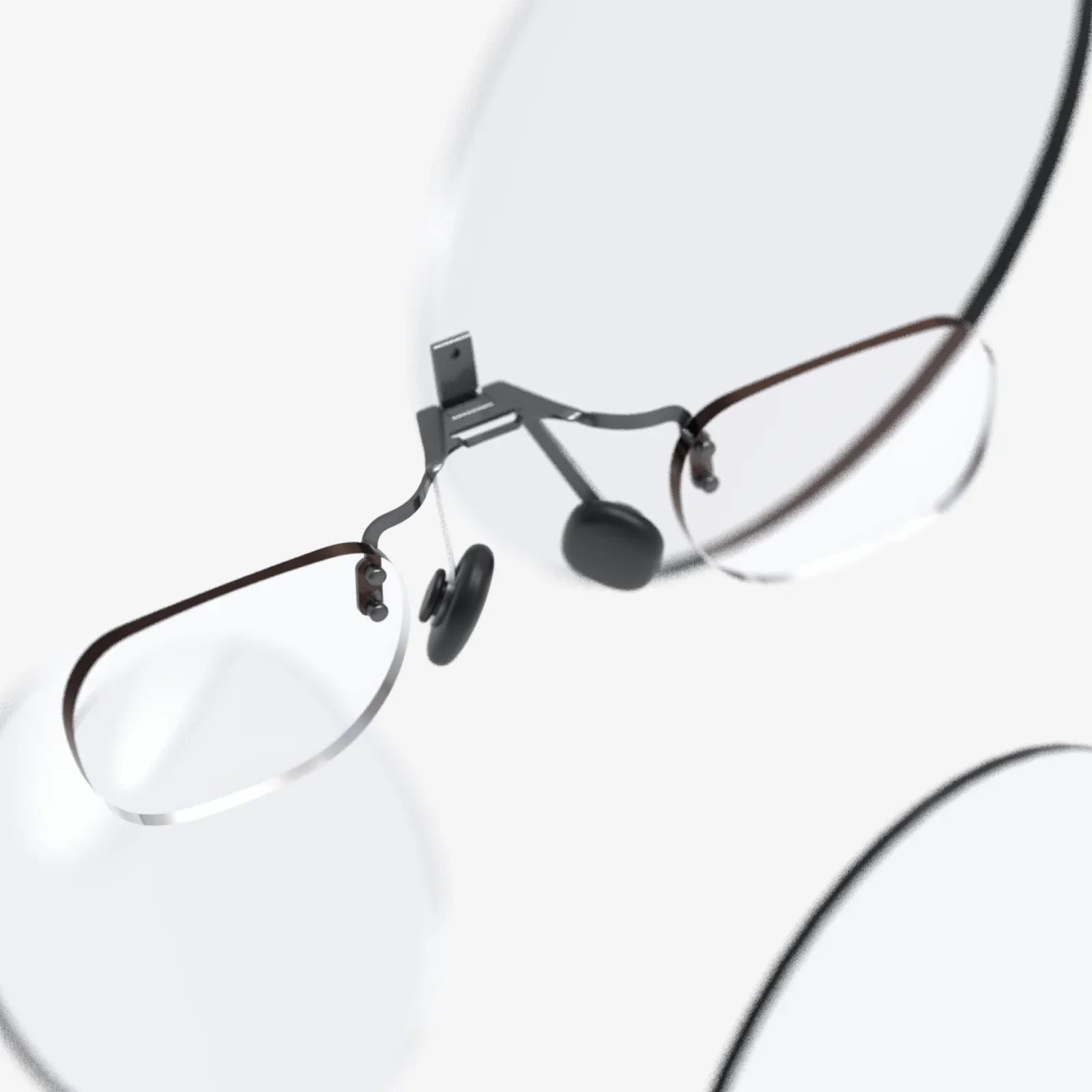
Imagine slipping on a pair of ordinary-looking glasses and instantly gaining a new layer of information over the world around you. Directions appear in front of your eyes, messages float into your view without you reaching for your phone, and real-time translations help you navigate foreign cities with confidence. This is the promise of smarte briller, and the race to put a powerful digital assistant directly on your face is accelerating faster than many people realize.
As smartphones reach a point of maturity, attention is shifting to the next wave of personal technology. Smarte briller are at the center of this shift, aiming to merge digital and physical realities in a seamless, hands-free way. Whether you are curious about augmented reality, looking for new productivity tools, or simply wondering what comes after the smartphone, understanding how these glasses work and where they are heading can give you a front-row seat to the future.
What Are Smarte Briller?
Smarte briller are wearable devices shaped like regular eyeglasses that integrate digital components such as displays, sensors, microphones, and connectivity modules. Their main goal is to provide information and digital interactions directly in your field of view, often without the need to use your hands or look down at a separate screen.
Instead of constantly checking a phone, smarte briller can subtly overlay information onto the real world. This could be something as simple as notifications and weather updates, or as advanced as full augmented reality (AR) experiences with 3D objects anchored in real space.
Core Components of Smarte Briller
- Display system: Tiny projectors, micro-displays, or waveguides that place images in front of your eyes. Some are transparent, allowing you to see digital content and the real world at the same time.
- Sensors: Cameras, accelerometers, gyroscopes, and sometimes depth sensors or LiDAR to understand your environment and head movement.
- Audio: Built-in speakers or bone-conduction transducers that let you hear alerts, voice assistants, and media without blocking your ears.
- Input methods: Voice commands, touch-sensitive frames, gesture recognition, or even eye tracking to control the interface.
- Connectivity: Wi-Fi, Bluetooth, and sometimes cellular connections link the glasses to the internet or a companion device.
- Processing and power: Onboard chips and batteries manage computation and keep the device running, often balancing performance with battery life and heat.
These elements combine to create a wearable computer that is always within your line of sight, quietly ready to assist you with context-aware information.
How Smarte Briller Differ from VR Headsets and Smartphones
It is useful to understand where smarte briller sit in relation to other digital devices. They bridge the gap between immersive virtual reality headsets and everyday smartphones.
Compared to VR Headsets
- Immersion vs. integration: Virtual reality headsets block out the real world to place you in a fully digital environment. Smarte briller usually keep you grounded in reality, adding digital layers on top.
- Use context: VR is often used for gaming, simulation, or training in controlled environments. Smarte briller are designed for daily, mobile use in real-world settings.
- Form factor: VR headsets are bulkier and more conspicuous. Smarte briller aim to look closer to regular glasses, emphasizing comfort and social acceptability.
Compared to Smartphones
- Hands-free operation: Smarte briller reduce the need to hold a device, ideal when your hands are busy or you are on the move.
- Always in view: Instead of pulling a phone from your pocket, information appears directly within your field of vision, potentially reducing distraction and screen time.
- Context awareness: With cameras and sensors aligned to your gaze, smarte briller can understand what you are looking at and provide tailored information.
Rather than replacing smartphones immediately, smarte briller are more likely to complement them in the near term, taking over tasks where hands-free and heads-up access is most valuable.
Key Features and Capabilities of Smarte Briller
The capabilities of smarte briller vary by design and purpose, but several features are emerging as central to the category.
Augmented Reality Overlays
Many smarte briller support augmented reality, where digital objects, text, or graphics appear anchored in the real world. Examples include:
- Navigation arrows overlaid on streets as you walk or drive.
- Labels identifying buildings, landmarks, or nearby points of interest.
- Instructions hovering over machinery or tools during maintenance tasks.
These overlays can be subtle, such as a floating icon or small card of text, or more immersive, with 3D models and interactive elements.
Hands-Free Communication
Smarte briller often integrate microphones and speakers, enabling phone calls, voice messages, and virtual meetings without picking up another device. Combined with a built-in camera, they can stream what you see to others, which is especially useful in remote support scenarios.
Voice assistants are a natural fit, allowing you to set reminders, search the web, or control smart home devices simply by speaking. The glasses can then display key information in your field of view while responding with audio.
Real-Time Information and Notifications
One of the simplest but most compelling uses of smarte briller is the delivery of real-time, glanceable information. This might include:
- Incoming messages and calls.
- Calendar events and reminders.
- Weather updates and alerts.
- Fitness metrics such as heart rate or step count.
Because the display is small and always present, smarte briller encourage short, focused interactions rather than long scrolling sessions. This can help reduce the compulsion to constantly check a phone.
Contextual Awareness
By combining sensors and AI, smarte briller can understand aspects of your environment and activity. For instance, they can detect whether you are walking, driving, or sitting, and adjust what they show you accordingly. A navigation interface might simplify while you are moving quickly and become more detailed when you stop.
Advanced models can recognize objects or locations, offering additional information. Imagine looking at a painting in a museum and automatically seeing its title, artist, and background story, or glancing at a device and receiving troubleshooting tips.
Visual Assistance and Accessibility
Smarte briller have significant potential as accessibility tools. Features may include:
- Text-to-speech for reading signs or documents aloud.
- Magnification or contrast enhancement for users with low vision.
- Real-time captions for spoken conversations.
- Object recognition to help users identify items or navigate spaces.
These capabilities can make everyday tasks more manageable for people with visual or hearing impairments, and they highlight how smarte briller can be more than just a convenience gadget.
Everyday Use Cases: How Smarte Briller Fit into Daily Life
The value of smarte briller becomes clearer when you imagine them in specific situations. Here are several scenarios where they can enhance daily routines.
Navigation and Travel
When traveling in a new city, smarte briller can provide:
- Turn-by-turn walking directions overlaid on the streets.
- Public transport information and platform guidance.
- Instant translations of street signs and menus.
- Contextual information about nearby attractions or restaurants.
Instead of staring down at a phone and risking getting lost or missing your surroundings, you stay heads-up, aware of both the map and the environment.
Work and Productivity
In professional settings, smarte briller can act as a second screen or an intelligent assistant. Examples include:
- Receiving discrete notifications during meetings without checking a phone.
- Following a checklist or presentation while maintaining eye contact with others.
- Accessing notes or reference documents while working on a task.
For remote or field work, they are even more powerful. A technician can see a step-by-step guide overlaid on machinery, while a remote expert watches through the technician’s camera view and provides guidance.
Fitness and Outdoor Activities
For sports and outdoor enthusiasts, smarte briller can display:
- Real-time pace, distance, and heart rate during running or cycling.
- Trail maps and elevation data for hiking.
- Performance metrics during training sessions.
Because the data appears within your field of view, you do not need to look down at a watch or phone, which is safer and more convenient during intense activity.
Home and Daily Tasks
At home, smarte briller can assist with everyday tasks in subtle ways:
- Displaying recipes and step-by-step cooking instructions as you prepare meals.
- Showing who is at the door when a smart doorbell is pressed.
- Providing reminders as you move through your space, such as a note to water plants or take medication.
Because they are always ready, smarte briller can help transform small moments into opportunities for productivity or learning without feeling intrusive.
Professional and Industrial Applications
While consumer uses are exciting, some of the most impactful deployments of smarte briller are happening in professional and industrial environments.
Manufacturing and Maintenance
In factories and industrial plants, smarte briller can:
- Show assembly instructions directly in a worker’s field of view.
- Highlight parts that need inspection or replacement.
- Enable remote experts to see what on-site workers see and guide them in real time.
- Log tasks automatically as they are completed.
This can reduce errors, shorten training time, and improve safety by keeping workers’ hands free and eyes on their surroundings.
Healthcare and Telemedicine
Healthcare professionals are exploring smarte briller for:
- Viewing patient records and imaging without turning away from the patient.
- Streaming live procedures to remote specialists or trainees.
- Receiving prompts or checklists during complex procedures.
The ability to access information quickly while maintaining focus on a patient can be critical in time-sensitive situations.
Logistics and Warehousing
In logistics, smarte briller can guide workers through warehouses by:
- Displaying pick lists and highlighting the location of items.
- Optimizing routes through aisles to save time.
- Scanning barcodes with built-in cameras and confirming correct items.
These capabilities can significantly boost efficiency and reduce errors in order fulfillment.
Education and Training
Training programs can benefit from smarte briller by combining real-world practice with digital guidance. Trainees can:
- Follow interactive tutorials overlaid on equipment.
- Receive instant feedback on their actions.
- Rehearse complex procedures with AR simulations before performing them for real.
This approach can make learning more engaging and effective, especially for hands-on professions.
Benefits of Smarte Briller
The appeal of smarte briller is rooted in several key advantages that go beyond novelty.
Reduced Friction in Accessing Information
One of the biggest benefits is the reduction of friction between you and the information you need. Instead of interrupting your activity to find and unlock a device, open an app, and navigate to the right screen, the relevant information appears automatically, often triggered by context.
This can save time and mental effort, making it easier to stay in flow while still being informed.
Hands-Free Convenience
Having both hands free while accessing digital tools is invaluable in many situations, from cooking and exercising to repairing equipment or driving. Smarte briller can deliver instructions, communication, and navigation without forcing you to juggle devices.
Potential for Healthier Screen Habits
Constantly checking a phone can fragment attention and encourage long, unplanned browsing sessions. Smarte briller, by design, favor short, purposeful interactions. You glance at what you need and then return to your surroundings.
While this does not guarantee healthier digital habits, it opens the door to interfaces that are more respectful of attention and better integrated into real life.
Enhanced Safety in Certain Contexts
In environments where awareness is critical, such as driving, cycling, or working with heavy machinery, smarte briller can provide essential information without requiring you to look away from your surroundings. When designed carefully, this can improve safety compared to frequently glancing at a handheld device.
Challenges and Concerns Around Smarte Briller
Despite their promise, smarte briller come with significant challenges that need to be addressed for widespread adoption.
Privacy and Social Acceptance
One of the most sensitive issues is privacy. Glasses with built-in cameras can raise concerns about being recorded without consent, especially in public or social settings. People may feel uneasy if they cannot tell whether they are on camera.
Addressing this requires clear indicators when recording is active, strong privacy policies, and cultural norms around appropriate use. Without trust, smarte briller may face resistance similar to earlier wearable devices that were criticized for intrusive recording.
Distraction and Cognitive Load
While smarte briller can reduce some forms of distraction, they can also introduce new ones. Poorly designed interfaces might clutter your field of view or bombard you with notifications, making it harder to focus on the real world.
Designers must carefully balance the amount and timing of information, prioritizing safety and clarity. For activities like driving, strict limitations on what can be displayed may be necessary.
Comfort, Battery Life, and Design
To be worn for long periods, smarte briller must be comfortable, lightweight, and visually acceptable. Heavy frames, limited battery life, or awkward styling can quickly limit their appeal.
Balancing performance, battery capacity, and aesthetics is a technical challenge. As components become smaller and more efficient, these trade-offs will improve, but they remain a major factor today.
Cost and Accessibility
Advanced smarte briller with high-quality displays and sensors can be expensive, putting them out of reach for many consumers and smaller organizations. Over time, economies of scale and technological progress are likely to reduce costs, but for now, price can be a barrier.
Ensuring that the benefits of this technology are accessible to a wide range of users, including those with disabilities or limited budgets, will be an important challenge for the ecosystem.
Design Principles for Better Smarte Briller Experiences
To fulfill their potential, smarte briller need thoughtful software and interface design. Several principles stand out.
Minimalism and Clarity
The display area in smarte briller is limited, and it sits directly in your line of sight. This demands minimal, high-contrast, and easy-to-read interfaces. Cluttered visuals or tiny text can quickly become frustrating or even dangerous.
Well-designed applications focus on the most essential information and avoid unnecessary decoration. They use simple icons and concise text, appearing only when needed.
Context-Aware Behavior
Because smarte briller can sense your activity and environment, they should adapt intelligently. For example:
- Reducing visual elements when you are moving quickly or driving.
- Delaying non-urgent notifications during conversations or meetings.
- Emphasizing relevant information based on your location or task.
This context awareness helps keep the experience helpful rather than intrusive.
Respect for Privacy and Boundaries
Applications for smarte briller should be transparent about what they record and how data is used. Clear visual signals when cameras or microphones are active, easy-to-access privacy settings, and strong local processing options can help build trust.
Features that allow users to quickly disable recording or mute microphones with physical controls can also give a greater sense of control.
Choosing Smarte Briller: What to Consider
If you are thinking about adopting smarte briller, whether for personal or professional use, several factors deserve attention.
Use Case and Priorities
Start by clarifying your primary goals. Are you interested in:
- Navigation and travel assistance?
- Productivity and communication?
- Fitness tracking and outdoor activities?
- Professional applications like remote support or training?
Your intended use will guide which features matter most, such as display quality, camera capabilities, durability, or software ecosystem.
Comfort and Fit
Smarte briller are only useful if you are willing to wear them. Consider:
- Weight and balance on your nose and ears.
- Compatibility with prescription lenses if needed.
- Adjustability and frame style.
Trying different designs, when possible, can help you find a comfortable fit that you can wear for extended periods.
Display and Visibility
Evaluate how clearly you can see the display in different lighting conditions, including bright sunlight and low light. Pay attention to:
- Brightness and contrast.
- Field of view: how much of your vision the digital overlay occupies.
- Transparency: how well you can see the real world through the display.
A good balance between legibility and unobstructed vision is crucial for safety and comfort.
Battery Life and Performance
Battery life can vary widely depending on usage. Consider how long you need the glasses to last between charges, and what features you will use most. High-intensity applications like continuous video streaming or AR rendering will drain power faster than simple notifications.
Also consider performance: lag or stuttering can break immersion and make the experience frustrating, particularly for AR applications.
Software Ecosystem and Updates
The value of smarte briller depends heavily on the available applications and ongoing software support. Look for:
- A robust set of core apps that match your needs.
- Developer support and third-party applications.
- Regular updates that improve features and security.
A strong ecosystem can extend the usefulness of the hardware and adapt it to new scenarios over time.
The Future of Smarte Briller and Augmented Vision
Smarte briller are still in an early phase compared to smartphones, but the trajectory is clear. As displays become more discreet, batteries more efficient, and processors more powerful, the line between regular glasses and smart glasses will continue to blur.
Future developments may include:
- More natural-looking designs that are almost indistinguishable from traditional eyewear.
- Advanced eye tracking to enable precise, intuitive control and reduce the need for gestures or voice commands.
- Richer AR experiences with more accurate environmental mapping and occlusion, making digital content feel truly anchored in the real world.
- Deeper integration with smart home devices, vehicles, and workplace systems.
As these capabilities mature, smarte briller could become a primary interface for many digital interactions, shifting the center of gravity away from handheld screens and toward ambient, context-aware computing.
For individuals and organizations, this creates both opportunities and responsibilities. Adopting smarte briller thoughtfully means not only exploring what they can do, but also shaping how they are used: setting norms around privacy, designing interfaces that respect attention, and ensuring that the technology enhances human abilities rather than replacing them.
If you are ready to look beyond the smartphone era, smarte briller offer a compelling glimpse of what comes next. By understanding their strengths, limitations, and real-world applications, you can decide how and when to bring this emerging layer of augmented vision into your own life or work. The glasses you put on in the coming years may not just correct your sight; they may redefine how you see and interact with the world itself.
Share:
nano texture glass monitor advantages, drawbacks, and buying guide
nano texture glass monitor advantages, drawbacks, and buying guide