


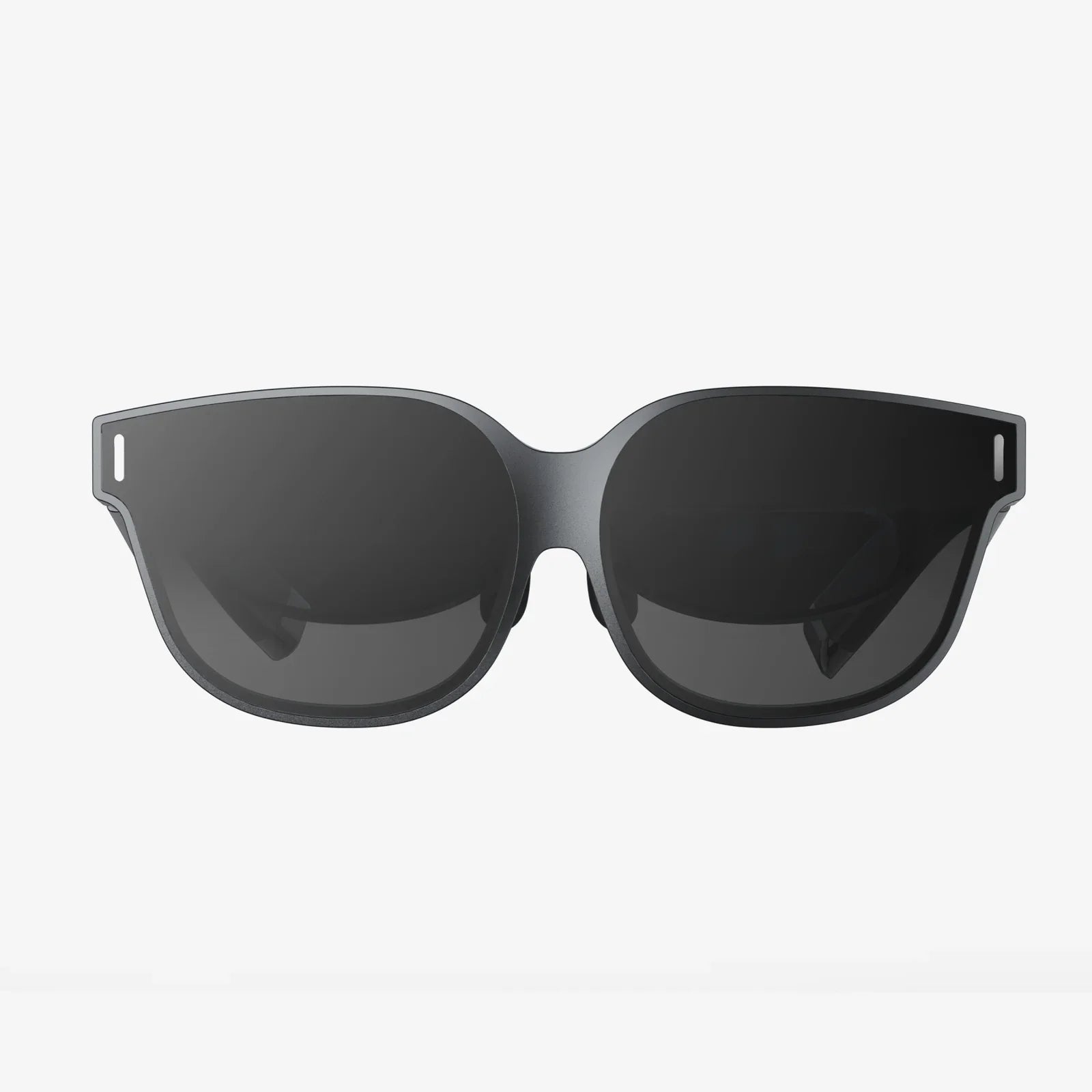
Imagine slipping into a breathtaking virtual world, exploring alien landscapes, attending live concerts from your couch, or learning complex skills through immersive simulation—all without spending a fortune. The gateway to these experiences is no longer a distant, expensive fantasy. The smartphone VR headset has democratized virtual reality, placing unprecedented power directly into the palms of our hands and the reach of our wallets. The journey into these digital realms begins with a single, critical question: what is the true cost of admission?
The Anatomy of a Smartphone VR Headset
Before dissecting the price tags, it's crucial to understand what you're actually purchasing. A smartphone VR headset is a deceptively simple piece of technology. At its core, it's a housing unit—a shell—equipped with high-quality optical lenses. Your smartphone acts as the brain and the display, slotting into the front of the headset. The lenses then warp and focus the split-screen image from your phone, creating a stereoscopic 3D effect that fills your field of vision.
The primary components that influence the smartphone vr headset price are:
- Build Quality and Materials: Is the headset constructed from flimsy cardboard and plastic or durable, comfortable polymers and foam?
- Lens Quality: Higher-priced models feature advanced, multi-element lenses that reduce distortion and God rays, offering a clearer, more immersive picture.
- Field of View (FoV): A wider FoV (often 90 degrees and above) is more immersive but typically costs more.
- Tracking and Input: Basic models rely on your phone's internal gyroscope for head tracking. More expensive units include additional sensors for improved positional tracking and come bundled with handheld controllers for interaction.
- Comfort and Adjustability: Features like adjustable head straps, focal length dials, and ventilation systems add to the cost but significantly enhance the user experience.
Decoding the Price Spectrum: From Pocket Change to Premium
The market for these devices is vast, and the smartphone vr headset price can range from literally free to several hundred dollars. This spectrum is generally divided into three distinct tiers.
The Budget Tier (Under $50)
This is the entry point for millions of users. Headsets in this category are often made from simpler materials like reinforced cardboard or basic plastic. They may lack adjustable head straps, instead relying on a simple strap or being held up to the face. The lenses are functional but may exhibit some distortion around the edges.
What you get: A truly affordable taste of VR. Perfect for watching 360-degree videos, playing simple games, and experiencing basic VR apps. The smartphone vr headset price here is so low that it's considered an impulse buy.
What you sacrifice: Comfort during extended use, premium build quality, advanced features like integrated controllers, and a wide field of view. The experience can feel more like a novelty than a sustained platform for engagement.
The Mid-Range Tier ($50 - $150)
This is the sweet spot for most consumers seeking a serious VR experience without a console or PC. Headsets in this range are almost universally constructed from high-quality, comfortable plastics and foams. They feature robust, adjustable head straps (often over-the-head), precise focal adjustment dials, and much-improved lenses.
The key differentiator in this smartphone vr headset price bracket is the inclusion of advanced features, most notably a bundled Bluetooth motion controller. This controller is a game-changer, moving beyond simple head gazing to allowing for intuitive interaction within the virtual world—pointing, shooting, grabbing, and swinging.
What you get: A comfortable, feature-rich platform for extended gaming sessions, immersive movie-watching, and educational applications. The addition of a controller unlocks a vast library of more sophisticated VR content.
The Premium Tier ($150 and Above)
At the top end of the smartphone vr headset price range, the lines between mobile and PC-based VR begin to blur. These headsets are engineering marvels designed for the VR enthusiast. They often feature their own integrated sensors for superior positional tracking, eliminating the drift that can occur with phone-based tracking alone.
They boast the highest-quality optics, wide FoV, and premium comfort features like built-in ventilation fans to prevent lens fogging. Some even include optional external cameras for room-scale tracking, a feature once exclusive to high-end PC VR systems.
What you get: The absolute best mobile VR experience possible, approaching the fidelity of dedicated systems. It's for the user who is all-in on mobile VR and wants no compromises.
The consideration: At this smartphone vr headset price point, one must seriously consider if a dedicated, all-in-one VR system might offer a better value, as it doesn't tie up your phone and often has a more powerful, purpose-built processor.
The Hidden Costs: What the Headset Price Doesn't Tell You
The initial purchase is just one part of the financial equation. The true total cost of ownership for a smartphone VR setup involves several other factors.
The Smartphone Itself
This is the most significant hidden cost. Not every phone is a good VR phone. A quality experience requires:
- A High-Resolution Display: A 1080p screen will look pixelated and cause a "screen door effect." A Quad HD (1440p) or higher resolution is strongly recommended.
- A Powerful Processor: Rendering two high-resolution images at a stable 60fps (or ideally 90fps) is incredibly demanding. Mid-range and flagship phones from the last few years are best suited.
- A Robust Gyroscope: Essential for accurate head tracking. Lower-end phones may have less precise sensors, leading to jittery or drifting visuals.
Content and Applications
While there are thousands of free VR apps and experiences on platforms like YouTube, the highest-quality games and applications are not free. Premium VR games can cost anywhere from a few dollars to over twenty, similar to traditional mobile gaming. Subscriptions to VR media services are also an ongoing potential cost.
Accessories
Your initial headset purchase might lead to others. You might find you want:
- Bluetooth Gamepads: For games that don't use motion controllers.
- Replacement Foam Interfaces: For hygiene and comfort, especially if multiple people use the headset.
- External Batteries: VR is a massive drain on your phone's battery. An external battery pack is almost a necessity for long sessions.
Finding Value: How to Get the Best Deal
Navigating the smartphone vr headset price landscape requires a smart strategy. Here’s how to ensure you get the most bang for your buck.
Match the Headset to Your Phone
There's no point in buying a premium $200 headset if you have a budget smartphone with a low-resolution screen. Conversely, pairing a flagship phone with a cheap cardboard viewer does your hardware a disservice. Be honest about your phone's capabilities and choose a headset that matches it to maximize value.
Consider Your Use Case
Are you a casual user who just wants to watch the occasional 360 video? A sub-$50 model is perfect. Are you a hardcore gamer looking to dive into deep, interactive experiences? The mid-range tier with a controller is your mandatory starting point. Aligning the smartphone vr headset price with your intended use prevents overspending on features you'll never use.
Wait for Sales and Bundles
Like any tech product, VR headsets frequently go on sale during major shopping holidays. Furthermore, many are sold in bundles that include the controller and sometimes even a collection of games, offering a much better value than buying each component separately.
Read the Reviews
Never buy a headset based on price and pictures alone. User and professional reviews are invaluable for uncovering issues with comfort, lens clarity, controller latency, and phone compatibility that aren't obvious from the product description.
The Future of Smartphone VR and Its Pricing
The landscape of mobile VR is constantly evolving. As smartphone technology advances, with higher-resolution displays and more powerful chipsets, the potential for VR experiences grows. However, the trend has seen a shift towards all-in-one VR systems that don't require a phone.
This has an interesting effect on the smartphone vr headset price. On one hand, it means the high-end of the market may stagnate as development focus shifts. On the other hand, it could lead to even more aggressive pricing in the budget and mid-range tiers as manufacturers clear inventory. For the foreseeable future, the smartphone VR headset will remain the most accessible and cost-effective way for anyone to experience virtual reality.
Your dream of exploring virtual worlds doesn't require a second mortgage or a degree in computer science. It starts with a simple, informed decision based on a realistic smartphone vr headset price. Whether you invest a few dollars for a curious peek or a few hundred for a front-row seat to the future, that first moment you look around a virtual space and forget about the device on your face is truly priceless. The revolution is here, and it's more affordable than you ever thought possible.
Share:
Phone VR Headset for PC: The Ultimate Guide to Unlocking Immersive Gaming
What Is The Best Budget VR Headset - Ultimate Buyer's Guide For Affordable Immersion