


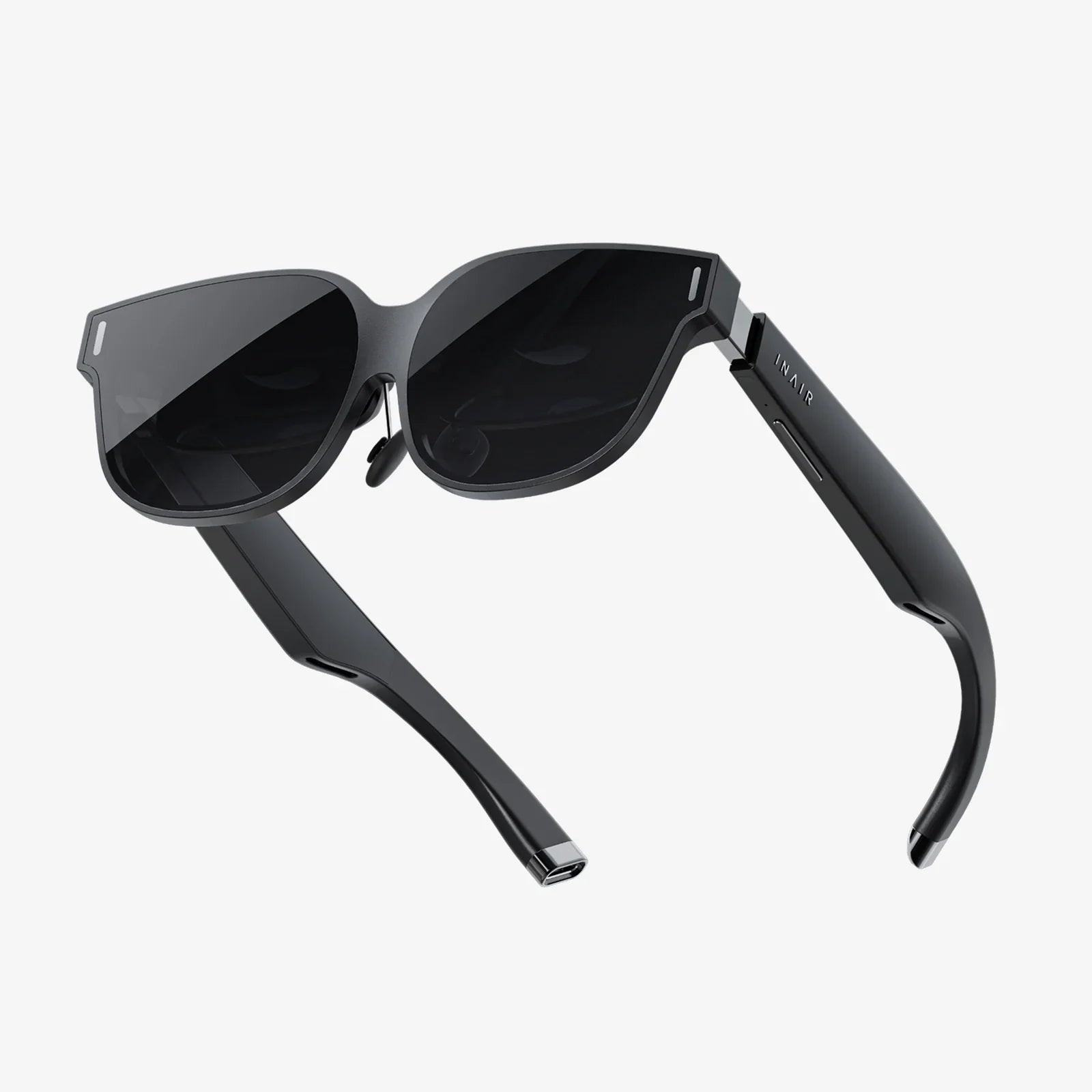
Imagine the cold, silent void of space, broken only by the distant glimmer of stars. You reach out, not with a mouse click, but with your own hand, to grasp a steel beam. You feel the weightless pull as you maneuver around the half-constructed hull of a starship, your own creation taking shape before your eyes. This is no longer the realm of science fiction or distant future tech; this is the palpable, breathtaking reality offered by the marriage of a detailed space simulation game with the immersive power of Virtual Reality. It represents a paradigm shift, moving the player from an external operator to an embodied engineer living and breathing within their cosmic workshop.
From Screen to Sphere: The Philosophical Shift to Presence
The core difference between traditional screen-based play and the VR experience is a concept known as 'presence.' This is the undeniable, subconscious feeling of 'being there.' In a standard setup, you command an avatar on a monitor. You are separated from the game world by a screen, a desk, and an interface of keyboard and mouse. Your relationship with the digital universe is one of observation and indirect control.
VR shatters that barrier. When you don a headset, your consciousness is teleported. You are no longer looking at a ship; you are standing on its skeletal frame. The scale of your creation becomes terrifyingly real. A conveyor system is no longer a collection of pixels; it's a sprawling, complex network of tubes and ports that you must physically navigate around. The sense of ownership and connection to your builds is magnified exponentially because you didn't just instruct a character to weld a block—you held the virtual welder and placed the seam yourself.
The Intimacy of Scale and the Grandeur of Creation
One of the most immediate and awe-inspiring revelations in VR is the true appreciation of scale. On a flat screen, a large-grid capital ship is a big model. In VR, it is a colossal, man-made mountain of metal. Craning your neck to see the top of a hangar bay door, or looking down the seemingly infinite length of a main thruster array, evokes a feeling of sublime grandeur that is simply impossible to replicate otherwise. The meticulous detail work involved in interior design—placing consoles, designing control rooms, aligning lighting—becomes an act of architecture. You walk through your corridors to test their flow, you sit in the pilot's chair to check sightlines, and you stand on the bridge to admire the view of an asteroid you are about to mine.
This intimacy extends to every tool and interaction. Using a grinder to dismantle a damaged component feels like strenuous, precise labor. The act of drilling into an asteroid is no longer a passive income stream; it's a physical operation where you see chunks of rock fracture and fly towards you, a symphony of destructive mining. Building shifts from a strategic, top-down activity to a hands-on, tactile profession. You lean in to inspect a connection, you duck under a low-hanging piston, and you physically turn to manage different parts of the construction site. It is engineering made visceral.
Navigating the Infinite Void: Piloting and Exploration Reborn
If building is transformed, then piloting is utterly revolutionized. Sitting in the cockpit of a spacecraft in VR is one of the most compelling experiences in modern gaming. Your control panels and holographic displays surround you, functioning as your literal interface with the ship. To check your power levels, you glance down. To see a radar contact, you look at a screen to your left. To engage thrusters, you might reach out and pull a physical lever (via your motion controllers).
This embodied piloting demands a new level of skill and spatial awareness. Docking a large vessel with a space station is a tense, delicate dance. You instinctively lean to the side to get a better view of the airlock alignment, your body moving in sync with the ship. Dogfighting becomes an intense, physical affair as you track enemy ships zipping past your canopy, your head on a swivel. The vastness of space feels genuinely vast and, at times, profoundly isolating. Drifting past a giant gas planet, its immensity filling your entire field of view, is a humbling and majestic experience that evokes the same awe felt by astronauts.
The Challenges and Triumphs of VR Implementation
This profound immersion does not come without its own set of unique challenges, both for players and developers. The very scale and complexity that make the game so compelling can be demanding on VR hardware and human physiology. Maintaining a high, stable framerate is crucial to preventing discomfort, which requires significant optimization given the potentially enormous number of moving parts and physics calculations happening in a detailed world.
User interface (UI) and interaction design become paramount. Menus that work well on a 2D screen can be awkward or immersion-breaking floating windows in VR. Developers must reinvent these systems to feel diegetic—like a natural part of the world, such as a holographic control panel on your astronaut's wrist. Motion control schemes must be intuitive, responsive, and customizable to avoid fatigue during long building sessions. Overcoming these hurdles is a technical feat, but when done correctly, it completes the illusion and solidifies the feeling of presence.
A New Era for Creative Expression and Community
The implications of VR extend beyond solo play, deeply enriching the multiplayer and creative aspects. Collaborating on a project with friends in VR is a transformative social experience. Instead of just hearing a voice over a comms channel, you are standing next to your colleague, pointing at a structural issue, handing them a virtual component (through the game's systems), and working in concert as a true crew. This fosters a level of teamwork and communication that is orders of magnitude more engaging than traditional multiplayer.
Furthermore, the community of creators is elevated. Sharing a blueprint is one thing, but inviting someone to actually walk through your creation, to experience the atmosphere you designed, the scale you established, and the details you painstakingly placed, is the ultimate way to showcase your work. VR showrooms and meticulously designed capital ships become destinations in themselves, tourist spots within a shared universe for others to visit and be inspired by.
The Future is Built by Hand
We are standing at the precipice of a new age for simulation and creation games. The integration of VR is not merely a graphical upgrade or a new control scheme; it is a fundamental redefinition of the player's relationship with the game world. It leverages our most innate tools—our hands, our depth perception, our spatial reasoning—and unlocks a deeper, more intuitive, and profoundly more memorable form of play. It satisfies a primal urge to not just design, but to touch, to build, and to truly inhabit our creations.
The promise of strapping on a headset and stepping onto the surface of a barren moon, drill in hand, to harvest resources that will become part of a starship you will then pilot into the heart of a nebula—all with the unwavering conviction that you are there—is the kind of experience that defines technological progress in gaming. It transforms a game of engineering into a story of personal endeavor, a tale not told through cutscenes, but lived through action, intention, and the sublime awe of touching the infinite.
This is more than a new way to play; it's a gateway to living out our deepest cosmic ambitions, one virtual, hand-welded steel plate at a time. The ultimate workshop awaits, and its doors are open to anyone daring enough to step through.
Share:
Vision Pro Spatial Computer: Redefining Reality and the Future of Human-Computer Interaction
2D to 3D Animation: The Complete Guide to a Revolutionary Transformation