


Imagine stepping into another world, a digital realm limited only by imagination, without a single wire holding you back. This is no longer a scene from science fiction but the palpable reality offered by the modern stand alone VR headset. This technological marvel has shattered the primary barrier to virtual reality adoption—the tether—propelling us into an era of unprecedented accessibility and freedom. The cord has been cut, and with it, the very nature of how we interact with digital spaces is being fundamentally rewritten, inviting everyone to experience a revolution that is as profound as it is immersive.
The Dawn of Untethered Freedom: Defining the Stand Alone VR Headset
At its core, a stand alone VR headset is a self-contained system. Unlike its PC-dependent predecessors, which required a physical cable connection to a powerful external computer to process complex graphics and run software, a stand alone unit houses all necessary computing hardware within the headset itself. It is an all-in-one device, integrating the display, processors, sensors, battery, and tracking systems into a single, wearable package. This engineering feat eliminates the need for external base stations or cameras, relying instead on inside-out tracking, where cameras mounted on the headset itself observe the surrounding environment to understand the user's position and movement.
The significance of this shift cannot be overstated. For years, high-fidelity VR was an expensive hobby, gatekept by the need for a high-end gaming computer that could cost several times more than the headset itself. The stand alone model democratized the technology, lowering both the financial and technical barriers to entry. Suddenly, a compelling VR experience was available straight out of the box, requiring nothing more than a power outlet and a Wi-Fi connection for content downloads. This transition marked VR's evolution from a niche enthusiast pursuit to a mainstream consumer electronics category.
Engineering Magic: The Technology Inside the Visor
Creating a compelling virtual experience within the thermal and power constraints of a wearable device is a monumental challenge. The architects of stand alone VR headsets have had to make ingenious compromises and innovations across several key domains.
Mobile Processing Power
The brain of any stand alone headset is a System-on-a-Chip (SoC), similar to those found in high-end smartphones but often optimized for the intense demands of VR. These processors must handle a multitude of simultaneous tasks: rendering two high-resolution displays at a minimum of 72 frames per second (often 90Hz or higher to prevent motion sickness), processing data from multiple cameras and sensors for positional tracking and controller input, and running the underlying operating system. The relentless pursuit of more efficient and powerful mobile chipsets has been the single biggest driver of quality improvements, enabling richer visuals, more complex environments, and smoother performance with each new generation.
The Visual Experience: Displays and Lenses
Visual fidelity is paramount for immersion. Modern stand alone headsets utilize Fast-Switch LCD or advanced OLED displays, offering high resolutions that drastically reduce the "screen door effect"—the visible grid between pixels that plagued earlier devices. Paired with these displays are sophisticated lens systems, typically Fresnel or pancake lenses, which focus the image correctly for the user's eyes and provide a wide field of view. Recent advancements in pancake optics allow for a much slimmer headset profile without sacrificing optical quality, contributing to a more comfortable and less bulky form factor.
Inside-Out Tracking and the Guardian System
This technology is the cornerstone of untethered freedom. Using a combination of cameras, gyroscopes, and accelerometers, the headset constructs a real-time map of the physical room. This allows it to track the user's head movements with incredible precision and to understand the geometry of the space. This data feeds into the "Guardian" or boundary system—a virtual wall that appears when a user approaches the edge of their safe play area, preventing collisions with real-world objects. This seamless blend of real-world spatial awareness and virtual interaction is a testament to the sophisticated computer vision algorithms running continuously on the device.
Battery Life and Thermal Management
Perhaps the most pragmatic challenge is power. Driving high-resolution displays and powerful processors is energy-intensive, and all of this is strapped to a user's face. Battery life is a constant balancing act between performance, session length, and weight, with most devices offering two to three hours of active use. Thermal management is equally critical; efficient heat dissipation is necessary to prevent discomfort and ensure consistent performance. Engineers employ passive cooling systems, heat shields, and clever internal layouts to keep the device comfortable to wear even during extended sessions.
A Universe in Your Headset: The Expansive Content Ecosystem
A platform is only as valuable as the experiences it offers. The stand alone VR headset has fostered a vibrant and rapidly expanding content ecosystem that caters to a diverse array of interests far beyond gaming.
Gaming Transformed
Gaming remains the primary driver, and stand alone VR has unleashed a new wave of creativity. Developers, unshackled from the constraints of PC development, can now design experiences specifically for a wireless audience. This has led to a renaissance in room-scale gameplay, with titles that encourage full-body movement, ducking, dodging, and swinging. From rhythm games that provide a full-body workout to intricate puzzle adventures and social hangouts, the library is vast and varied. The ability to pick up and play anywhere—in a living room, a backyard, or a large empty hall—has fundamentally changed the design language of VR games, emphasizing mobility and physical engagement.
Fitness and Wellbeing
One of the most surprising and successful applications has been in fitness. Stand alone VR has become a legitimate workout tool, with dedicated applications offering boxing, dancing, and HIIT routines. The engaging nature of gamified exercise proves highly effective at combating workout monotony, with users often reporting longer and more frequent sessions because it feels more like play than work. Furthermore, applications focused on meditation and mindfulness use serene, immersive environments to guide users through breathing exercises and stress relief, showcasing the technology's potential for mental wellbeing.
Social Connection and Metaverse Aspirations
Stand alone VR is inherently social. The ease of setup means friends and families can more easily meet in shared virtual spaces. Platforms exist as persistent virtual worlds where users can attend live concerts, watch movies together in a virtual cinema, play games, or simply chat as expressive avatars. This represents the early, consumer-facing realization of the "metaverse" concept—a network of shared, virtual spaces. The low barrier to entry provided by stand alone devices is crucial for populating these digital societies and making them feel alive and dynamic.
Enterprise and Education
The impact extends far beyond the home. In enterprise, stand alone VR headsets are used for immersive training simulations, allowing employees to practice complex procedures in a risk-free environment, from equipment repair to surgical training. Architects and designers use them for virtual walkthroughs of unbuilt structures. In education, students can take virtual field trips to historical sites, the human bloodstream, or the surface of Mars. The portability and ease of use of stand alone units make them ideal for deploying across a corporate campus or a school district, managing them wirelessly, and delivering consistent experiences to every user.
The Road Ahead: Challenges and Future Visions
Despite the incredible progress, the journey is far from over. Stand alone VR still faces hurdles on its path to ubiquity. The visual fidelity, while impressive for a mobile device, still lags behind the best PC-powered experiences. Increasing processing power without sacrificing battery life remains a key battleground. Furthermore, creating a truly intuitive and natural interface beyond controllers—through advanced hand tracking, eye tracking, and eventually neural interfaces—is the next frontier for interaction.
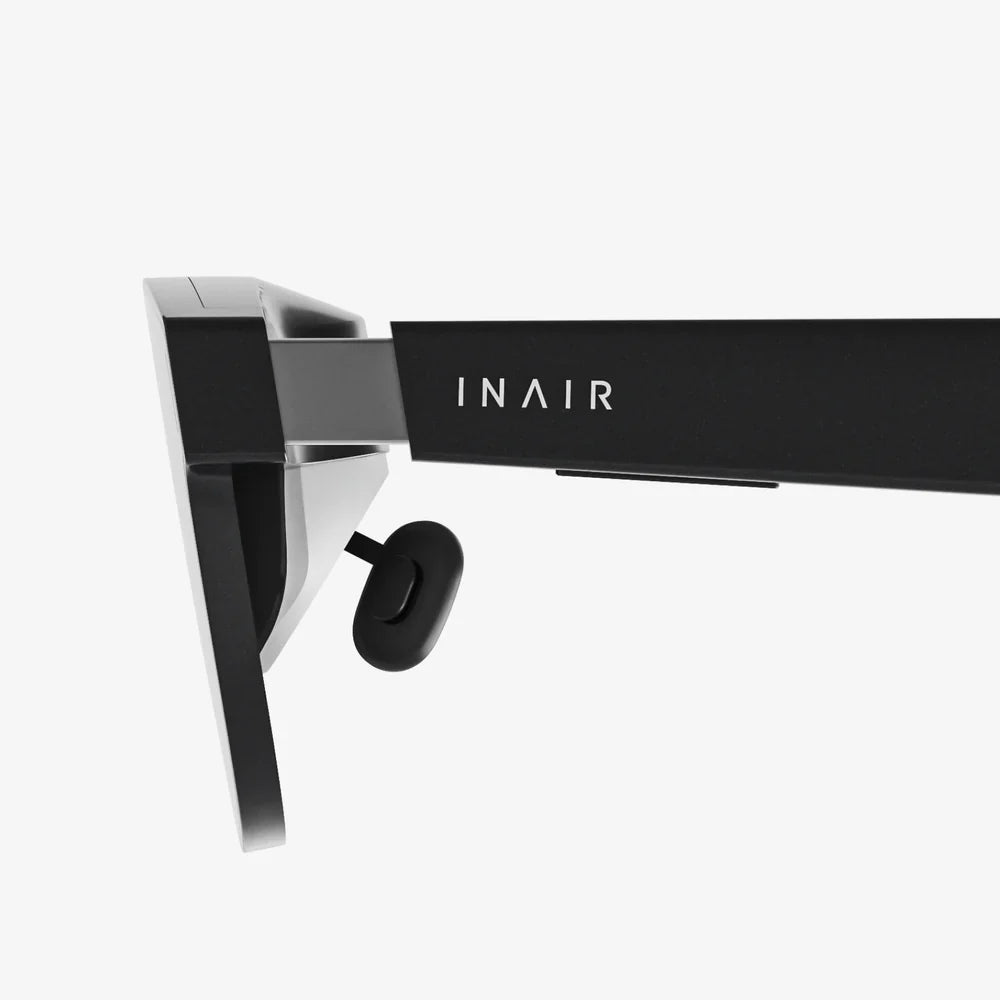
The future is pointing towards even greater integration with our reality. Mixed Reality (MR) is rapidly becoming a standard feature, with high-resolution color passthrough cameras allowing digital objects to be placed seamlessly within the user's physical environment. This unlocks a new genre of applications that blend the real and the virtual, from virtual monitors extending a workspace to interactive learning models sitting on a real table. As the technology continues to miniaturize, perhaps eventually evolving towards more socially acceptable forms like glasses, the line between our digital and physical lives will blur even further.
The echo of a cable clattering on the floor is the sound of a barrier breaking. The stand alone VR headset is more than just a convenient gadget; it is the key that unlocked virtual reality for the world. It has transformed the technology from a stationary spectacle into a personal portal to limitless experiences, fostering new forms of play, work, connection, and understanding. It has placed the power of entire universes into a single, wearable device, and in doing so, has ensured that the future of computing will be an immersive one, experienced not on a screen in front of us, but all around us.
Share:
VR Headset Companies: The Architects of Our Digital Tomorrow
VR Headset Companies: The Architects of Our Digital Tomorrow