


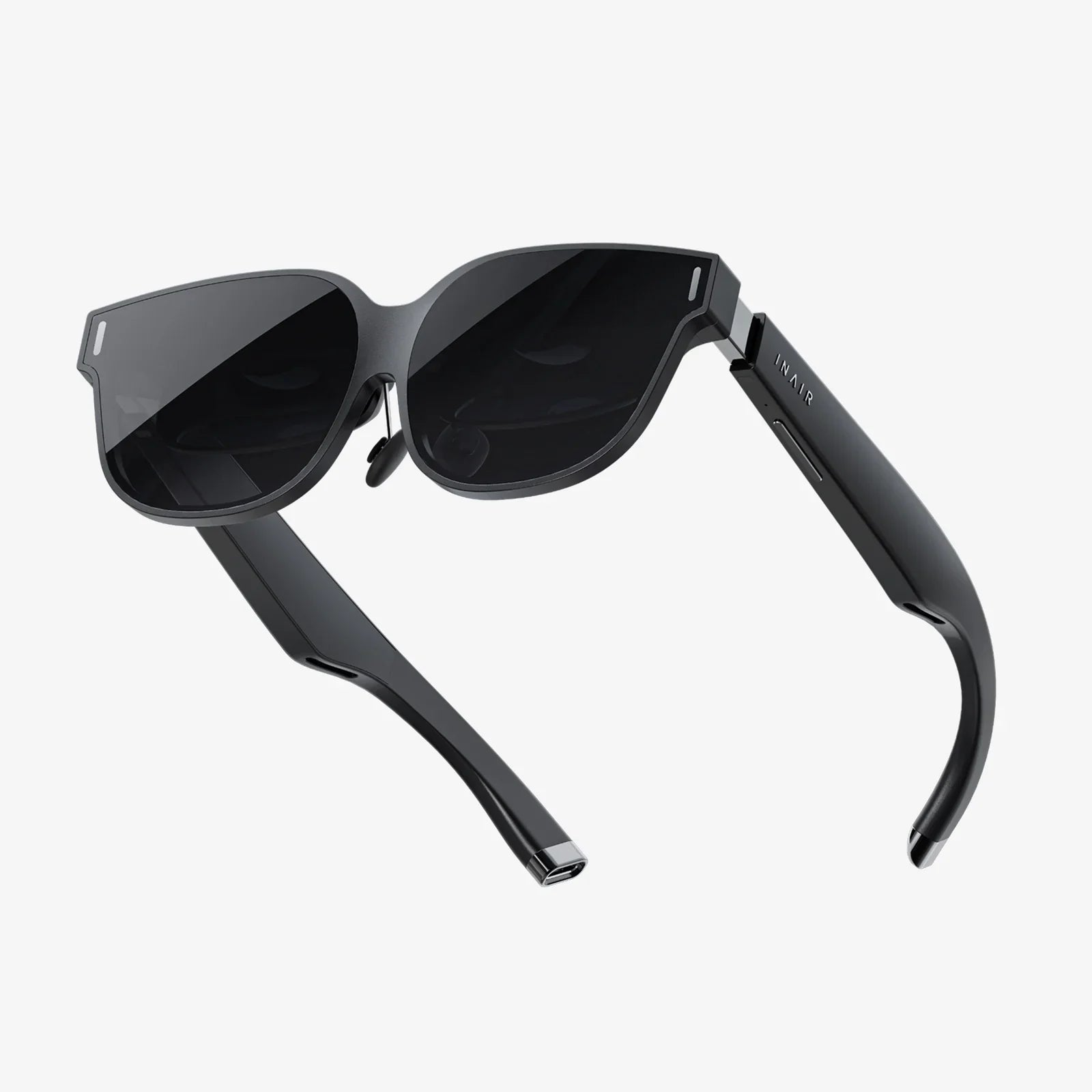
- by wangfred
Standalone AR Headset: The Untethered Future of Digital Interaction
- by wangfred
Imagine a world where digital information doesn’t just live on a screen in your hand or on your desk, but is seamlessly woven into the very fabric of your reality. A world where instructions for repairing a complex engine float helpfully beside the machinery, where a historical tour guide from a bygone era walks you through ancient ruins, and where your virtual workspace extends infinitely across your physical living room. This is not a distant sci-fi fantasy; it is the imminent future being built today, and its primary vessel is the standalone AR headset. This technological marvel, free from the shackles of wires and external computers, is poised to redefine our relationship with technology, information, and each other. The journey into this augmented era is beginning now, and it promises to be nothing short of revolutionary.
To understand the significance of the standalone AR headset, one must first appreciate the engineering hurdles it overcomes. Prior generations of serious augmented reality systems were almost universally tethered—either to a powerful desktop computer via a thick cable or to a smartphone that acted as the processing brain. This tether created a fundamental limitation: a constrained physical radius of operation and a constant reminder of the technology's artificiality.
A standalone device shatters this constraint. It is a completely self-contained system, a feat of miniaturization that integrates all critical components into a single, wearable form factor. This includes:
Packaging all this powerful, heat-generating technology into a comfortable, socially acceptable, and all-day battery-powered wearable is a monumental achievement in electrical, mechanical, and software engineering.
The true value of any technology is measured not by its specifications, but by its impact. The untethered nature of standalone AR unlocks a vast landscape of practical, transformative applications that were previously impractical or impossible.
This is where standalone AR is making its most immediate and valuable impact. The ability to have hands-free access to information and guidance in dynamic environments is a game-changer.
The potential for enhancing medical care is profound. Surgeons can have patient vitals, ultrasound data, or pre-operative scans visualized in their periphery during complex procedures, allowing them to maintain focus on the patient. Medical students can practice procedures on detailed, interactive holographic anatomies. Nurses can have hands-free access to patient records and medication information, reducing administrative burdens and improving patient care.
For artists and creators, standalone AR is a new canvas. Sculptors can work with virtual clay in the middle of their studio. Musicians can control and arrange digital interfaces of sound that exist around them. Storytellers can create immersive narratives that unfold in the user's own environment, blending the real and the fictional in unforgettable ways. This spatial computing medium allows for a form of expression that is inherently three-dimensional and interactive.
While the consumer market is still evolving, the possibilities are tantalizing. Imagine following a holographic recipe in your kitchen where each step is animated over your mixing bowl. Picture a virtual productivity setup with multiple large screens that you can summon anywhere you go. Envision playing a board game with a friend on the other side of the world, with the virtual game board sitting on your respective coffee tables as if it were physically there. Standalone AR promises to make our interactions with technology more contextual, intuitive, and integrated into our daily routines.
Despite the exciting progress, the path to mainstream adoption of standalone AR is not without significant obstacles. These challenges are both technical and social in nature.
The evolution of the standalone AR headset is not a single product launch but a continuous trajectory of improvement. In the near term, we can expect rapid iterations: lighter devices, longer battery life, higher-resolution displays, and more sophisticated interaction models. The user interfaces will become more intuitive, moving beyond floating panels to more organic, context-aware interactions.
Further out, the convergence with Artificial Intelligence will be the true accelerant. On-device AI will allow headsets to understand not just the geometry of a space, but the semantics—it will know a chair is for sitting, a screen is for displaying information, and a wall is a surface for art. It will anticipate user needs, proactively offering information or tools based on context and past behavior.
Ultimately, the goal is what researchers call the "perceptual paradigm," where the technology fades into the background and the augmented experience feels as natural and effortless as perception itself. The device becomes an extension of our own cognition, enhancing our abilities without demanding our conscious attention.
The standalone AR headset is far more than a new gadget; it is the foundational platform for the next era of computing. It represents a fundamental shift from interacting with technology to experiencing it within our world. It promises to augment not just our reality, but our human potential—enhancing our productivity, unlocking new realms of creativity, and deepening our connections. The tether has been cut, and a new, boundless digital frontier is waiting to be explored.
Share:
VR Headset HK: The Ultimate Guide to Immersive Technology in Hong Kong
iPhone 5S AR: The Unsung Pioneer of Mobile Augmented Reality