


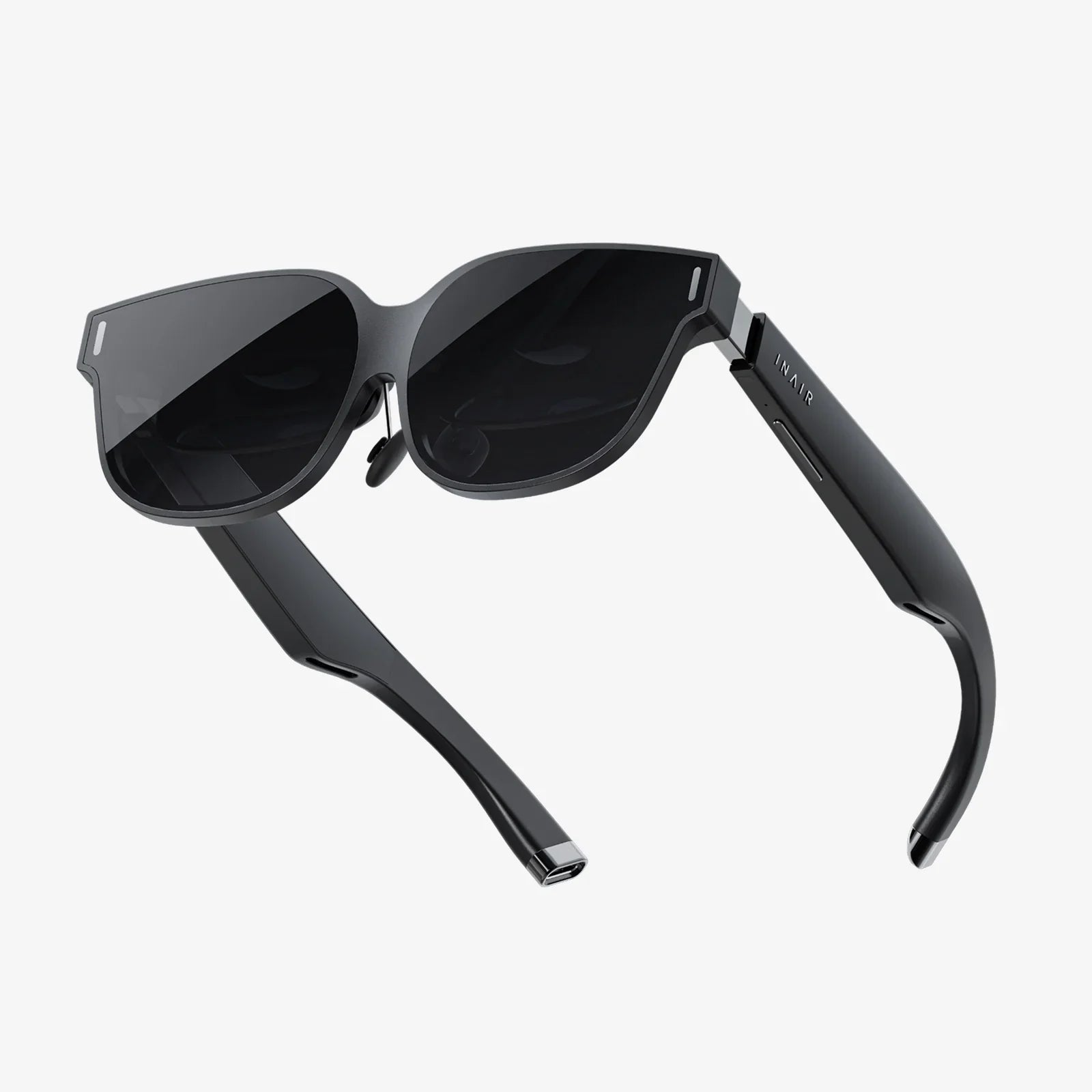
Imagine stepping into another world, a digital dimension limited only by imagination, without a single wire tethering you to our own. This is no longer the stuff of science fiction; it’s the palpable reality offered by the latest generation of standalone VR glasses, a technological leap that is finally delivering on the long-promised dream of virtual accessibility for the masses. The cumbersome cords, the expensive high-powered computers, the dedicated physical space—all are becoming relics of a constrained past. Standalone VR is here, and it’s not just changing how we play games; it’s poised to revolutionize how we work, connect, learn, and experience life itself. The door to the metaverse is now cordless, and everyone is invited to walk through.
The Architectural Marvel of Untethered Power
At first glance, the magic of standalone VR glasses seems almost impossible. Packing the necessary computational firepower, high-resolution displays, precise tracking systems, and a lasting battery into a sleek, wearable form factor is a feat of modern engineering. Unlike their PC-powered predecessors, which offload the intense processing to an external beast of a machine, standalone units are self-contained ecosystems.
The heart of this operation is a System-on-a-Chip (SoC), a marvel of miniaturization that integrates the central processing unit (CPU), graphics processing unit (GPU), memory, and other core components onto a single chip. These are not simple mobile processors; they are often custom-designed for the unique demands of VR, capable of rendering two high-frame-rate, high-resolution displays simultaneously to avoid the dreaded motion sickness and maintain immersion.
This on-board intelligence is complemented by a suite of sensors. Inside-out tracking uses multiple wide-angle cameras mounted on the device itself to map the physical environment in real-time, creating a guardian boundary to keep users safe and allowing for six degrees of freedom (6DoF) movement. This means you can not only look around (3DoF) but also lean, duck, crouch, and move physically within the play space, with your movements reflected perfectly in the virtual world. Advanced inertial measurement units (IMUs) and gyroscopes provide ultra-precise, low-latency head tracking, ensuring the digital world remains rock-solid and responsive to your every move.
Shattering Barriers: Accessibility and the Mainstream Moment
The most profound impact of standalone VR glasses is their democratization of the technology. By eliminating the need for a expensive gaming computer, which often cost more than the headset itself, the financial barrier to entry has been slashed dramatically. The setup process, once a labyrinth of driver installations, sensor calibration, and cable management, has been reduced to little more than putting on the glasses and defining a play area.
This plug-and-play simplicity is the key to mass adoption. It transforms VR from a niche hobby for tech enthusiasts into an accessible entertainment and utility platform for families, professionals, and casual users. The ease of use encourages spontaneous engagement—picking up the headset for a quick fitness session, joining friends in a social app, or exploring a new educational experience becomes as simple as grabbing a tablet. This accessibility is creating a virtuous cycle: a larger user base attracts more developers, who create more and better content, which in turn attracts even more users, fueling the ecosystem's rapid growth.
A Universe of Experiences in the Palm of Your Hand
The content library for standalone VR has exploded in both quantity and quality, moving far beyond its gaming roots. While gaming remains a powerhouse application, offering deeply immersive titles from rhythm games that double as intense workouts to expansive adventure games, the true potential lies in its diverse applications.
- Fitness & Wellness: VR has emerged as a formidable fitness platform. Applications offer structured workouts, from boxing and dancing to yoga and meditation, all within engaging virtual environments. Users can climb mountains, rhythmically slash through blocks, or join a live instructor in a virtual studio, making exercise fun and removing the intimidation factor of a traditional gym.
- Social Connection: Standalone VR is building the foundational infrastructure for the metaverse—a persistent network of shared virtual spaces. Platforms allow users to gather as customizable avatars to watch movies, attend concerts, play games, or simply hang out. For friends and families separated by geography, it offers a sense of presence and shared experience that video calls cannot match, fostering a new paradigm of digital togetherness.
- Productivity & Remote Work: The concept of the virtual office is becoming a practical reality. With standalone VR, users can inhabit virtual workspaces with multiple large, floating screens, collaborate on 3D models with colleagues from around the world, and conduct meetings in immersive boardrooms. This has profound implications for remote work, offering a sense of place and collaboration that transcends the limitations of a webcam grid.
- Education & Training: The ability to learn by doing, rather than just observing, is a pedagogical game-changer. Medical students can practice complex procedures on virtual patients, history students can walk through ancient Rome, and mechanics can disassemble and reassemble complex machinery—all without risk, cost, or logistical constraints. This experiential learning creates deeper understanding and retention.
Navigating the Challenges on the Path to Perfection
Despite the incredible progress, standalone VR is not without its limitations. The quest for miniaturization and wireless freedom comes with trade-offs, primarily in processing power and battery life.
The graphical fidelity, while impressive for a mobile platform, still lags behind what is possible on a top-tier gaming PC. Developers must expertly optimize their creations to run on the mobile-grade hardware, sometimes resulting in simpler textures, less complex geometry, or shorter draw distances. Battery life is another constraint, typically offering two to three hours of continuous use, which can interrupt longer gaming sessions or productivity work. However, rapid charging and swappable external battery packs are emerging as effective solutions.
Furthermore, as the technology becomes more pervasive, questions of privacy, data security, and digital well-being become increasingly critical. The cameras and sensors that map our living rooms collect vast amounts of data, and the industry must establish and adhere to robust ethical standards to ensure user trust. The potential for addiction and the psychological effects of prolonged immersion in virtual spaces are also areas requiring ongoing study and the development of healthy usage paradigms.
The Future is Clear: A Vision of What's to Come
The trajectory of standalone VR glasses points toward even greater integration into our daily lives. The next breakthroughs will likely focus on enhancing comfort through lighter materials and better weight distribution, and improving visual fidelity with technologies like pancake lenses for a slimmer profile and micro-OLED displays for richer colors and higher resolutions.
Perhaps the most anticipated evolution is the integration of full-color passthrough augmented reality (AR). This technology uses the headset's cameras to display the real world in real-time, seamlessly overlaying digital information and objects onto it. This will blur the line between VR and AR, creating mixed reality (MR) experiences where virtual characters can sit on your real sofa or instructional manuals can be superimposed onto a physical engine you're repairing. This functionality will unlock a new wave of utility, transforming the device from a portal to other worlds into a powerful tool for enhancing our own.
We are also on the cusp of more intuitive interaction. The evolution of hand-tracking, allowing users to manipulate the virtual environment with their natural gestures without controllers, is already here and will only improve. Haptic feedback vests and gloves will evolve to provide a sense of touch, making virtual interactions feel more real. Eventually, we may see the development of more advanced neural interfaces for even more seamless control.
The age of being physically chained to our experiences is over. Standalone VR glasses have cut the cord, not just from the computer, but from the limitations of physical space and imagination. They are quietly orchestrating a revolution from the living room to the classroom, transforming how we perceive reality itself. This isn't just a new gadget; it's the beginning of a new layer of human experience, and it's waiting for you to put it on.
Share:
Android XR Glasses Get: The Next Evolution in Personal Computing
What Is The Definition Of Augmented Reality: Bridging Our Digital and Physical Worlds