


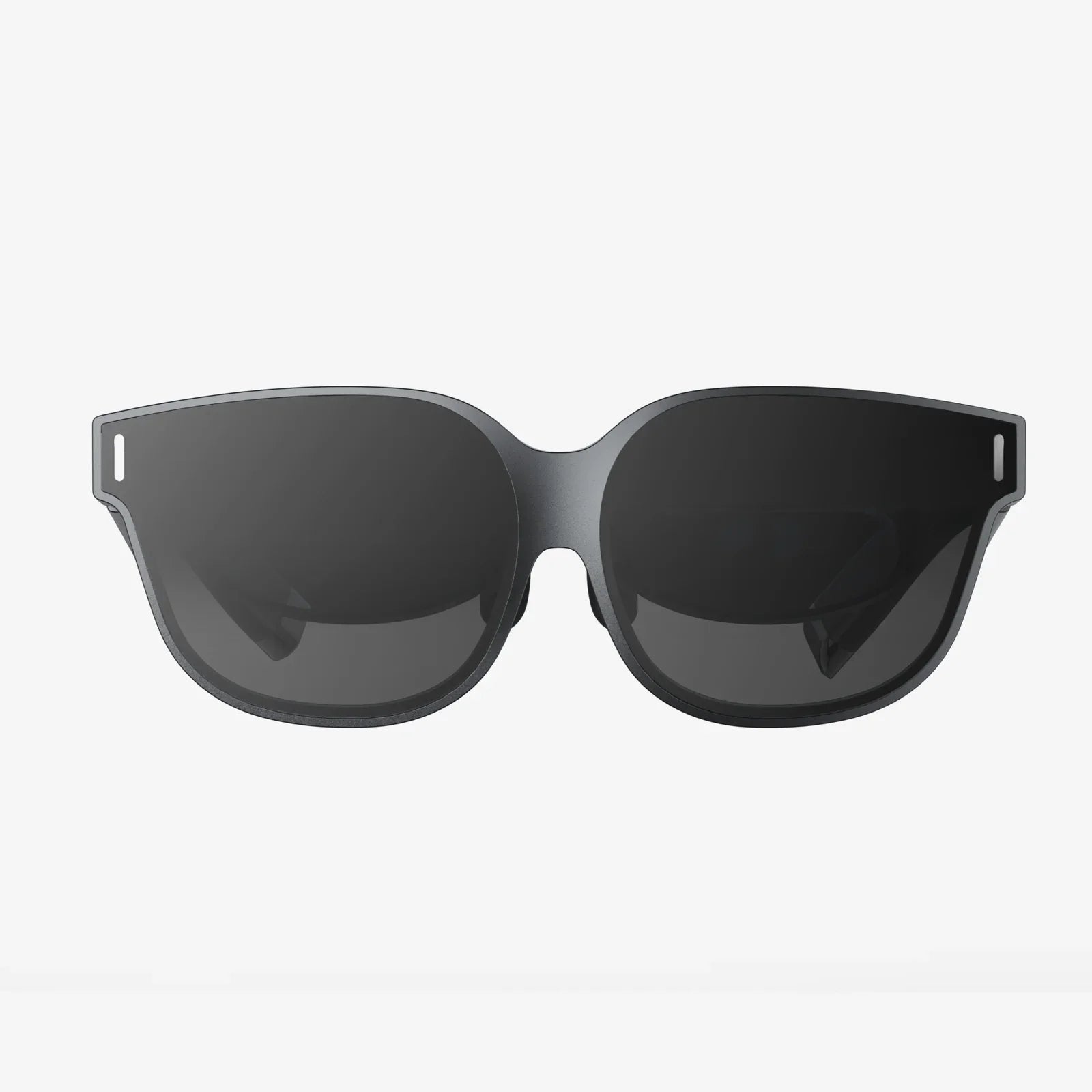
Imagine stepping into another world, a digital dimension limited only by the imagination, without a single wire holding you back. This is the promise, and now the reality, of the standalone VR headset. It’s a portal in a box, a self-contained universe of entertainment, social connection, and productivity that you can carry in your hands and wear on your face. The era of being tethered to a powerful, expensive computer is over, and a new age of accessible, liberating virtual reality has dawned. The barrier to entry has been shattered, and the virtual world is now open to everyone.
The Architectural Marvel: What Makes a Headset "Standalone"?
At its core, a standalone VR headset is a feat of miniaturization and engineering integration. Unlike its PC-dependent predecessors, it requires no external sensors, no high-end graphics card, and most importantly, no physical tether connecting it to another device. It is a completely self-sufficient system, a wearable computer designed specifically for virtual reality.
The magic happens through a sophisticated fusion of hardware components, all packed into a single, often surprisingly lightweight, form factor.
The Brain: System-on-a-Chip (SoC)
The heart of any standalone headset is its System-on-a-Chip. This is a miniature marvel that integrates the central processing unit (CPU), the graphics processing unit (GPU), memory, and other essential components onto a single silicon chip. These are not the stripped-down processors found in smartphones; they are increasingly powerful mobile chipsets engineered for the immense task of rendering two high-resolution displays at a buttery-smooth 90 frames per second or higher. This relentless processing is what builds and maintains the illusion of presence, the feeling of truly being inside the virtual environment.
The Eyes: Inside-Out Tracking
Perhaps the most crucial innovation enabling standalone VR is inside-out tracking. Early VR systems required external sensors or base stations placed around the room to track the user's movement. Standalone headsets have turned this inside out—literally. They use a constellation of wide-angle cameras mounted on the headset itself to constantly observe the real world. Sophisticated computer vision algorithms then interpret this visual data to track the headset's position in space with incredible precision, all in real-time. This same technology is used to track the motion controllers, allowing you to see your virtual hands and interact with the digital world naturally and intuitively.
The Windows: High-Resolution Displays and Lenses
You view the virtual world through a pair of high-resolution, fast-switching LCD or OLED displays. These are magnified by specialized Fresnel or pancake lenses that focus your eyes on the screen just inches from your face, creating a wide field of view. The pursuit of visual fidelity is relentless, with newer headsets pushing for resolutions that eliminate the "screen door effect"—the faint grid lines users once saw between pixels—and offer vibrant colors and deep blacks for a truly immersive picture.
The Gateway: The VR Operating System and Store
Powering the experience is a dedicated operating system built from the ground up for virtual reality. This OS manages everything from the home environment—your personal virtual lounge where you launch apps—to system-level features like voice commands, recording, and social features. Integrated directly into this OS is a digital storefront, a curated marketplace where users can discover, purchase, and download games, applications, and experiences directly to their headset's internal storage.
A Universe in Your Hands: The Expansive World of Content and Experiences
The hardware is merely the vessel; the content is the journey. The library of experiences available for standalone VR has exploded in both quantity and quality, catering to a vast spectrum of interests.
Gaming Reimagined
Gaming remains the primary driver of VR adoption, and standalone headsets have become legitimate gaming platforms. The catalog ranges from incredibly polished, full-length adventure games with rich narratives and sprawling worlds to innovative puzzle games that use the medium in clever ways. Rhythm games have found a perfect home in VR, challenging players to slash notes and dodge obstacles in a thrilling, physical test of coordination. Fitness applications have also emerged as a killer app, turning workouts into engaging games that boxing, dancing, and more, making exercise fun and immersive.
Social Spaces and Virtual Hangouts
One of the most profound uses of standalone VR is social connection. Platforms exist as persistent virtual worlds where users, represented by customizable avatars, can meet, talk, watch movies, play games, and attend live events with friends and strangers from across the globe. The sense of shared presence—sitting around a virtual campfire or standing in a crowded virtual concert—is a uniquely powerful experience that flat screens and video calls cannot replicate. It’s a new paradigm for human interaction online.
Productivity and Beyond
The potential extends far beyond entertainment. Imagine working on multiple giant, virtual screens from anywhere in the world, free from the constraints of a physical monitor. Architects and designers can walk clients through 3D models of unbuilt structures. Medical students can practice complex procedures in a risk-free virtual operating room. The standalone headset, with its ease of use and lack of wires, is the key to making these professional applications a practical, everyday reality.
Weighing Freedom: The Pros and Cons of Going Solo
Like any technology, standalone VR represents a set of trade-offs when compared to tethered, PC-powered systems.
The Unbeatable Advantages
- Absolute Freedom of Movement: This is the headline feature. The ability to spin, crouch, and move without a second thought about tripping over a cable is transformative. It unlocks a level of physical immersion that is simply impossible with a tether.
- There is no need to invest in a expensive gaming PC. The headset is the entire system, making high-quality VR dramatically more accessible and affordable for the average consumer.
- Incredible Convenience and Portability: The setup process is often as simple as putting on the headset and defining your play area. You can easily take it to a friend's house or a larger room, making VR a shared, social activity rather than a solitary one confined to a desk.
The Inherent Compromises
- Processing Power Limitations: This is the fundamental trade-off. A mobile chipset, no matter how advanced, cannot compete with the raw graphical horsepower of a top-tier desktop GPU. This can sometimes result in less complex textures, simpler environments, or lower polygon counts compared to the most visually stunning PC VR titles.
- Battery Life: Being self-powered means you are on the clock. Most headsets offer 2-3 hours of continuous use, which is sufficient for most sessions but can interrupt longer experiences, requiring a break to recharge.
- Thermal and Weight Considerations: Packing all that computing power into a device on your face generates heat, which engineers must manage with cooling systems. This, along with the battery, can contribute to a slightly heavier feel compared to purely display-focused tethered headsets.
The Future is Untethered: Where Do We Go From Here?
The trajectory of standalone VR is one of rapid and relentless improvement. We are already seeing the gaps between standalone and PC VR narrow with each new generation of hardware.
Future headsets will feature even more powerful and efficient processors, closing the graphical fidelity gap. Advancements in pancake lenses and Micro-OLED displays will deliver stunning clarity and visual comfort in slimmer, lighter form factors. The integration of full-color, high-resolution passthrough cameras is blurring the line between virtual and augmented reality, allowing users to blend digital elements with their physical surroundings for mixed-reality experiences. This opens up entirely new categories of applications, from overlaying virtual instructions on a real-world object you're repairing to placing a virtual piano keyboard on your real desk.
Furthermore, the development of more sophisticated hand-tracking technology, which allows users to interact with menus and simple applications using their bare hands without any controllers, points to a future of even more natural and intuitive interaction. As the technology continues to mature, the standalone VR headset will evolve from a niche gaming peripheral into a universal computing platform, a new way to work, learn, create, and connect.
The cord has been cut, and there's no going back. The standalone VR headset is no longer a glimpse of the future; it is the vibrant, accessible, and endlessly exciting present of virtual reality. It has democratized an incredible technology, placing the power to explore new worlds directly onto our heads. This is just the beginning of a revolution that will redefine our relationship with digital space, and the best part is, you no longer need a supercomputer to join in. The only thing required is the courage to step through the portal.
Share:
How to Clean VR Headset Lenses: The Ultimate Guide to Safe & Effective Cleaning
How to Clean VR Headset Lenses: The Ultimate Guide to Safe & Effective Cleaning