


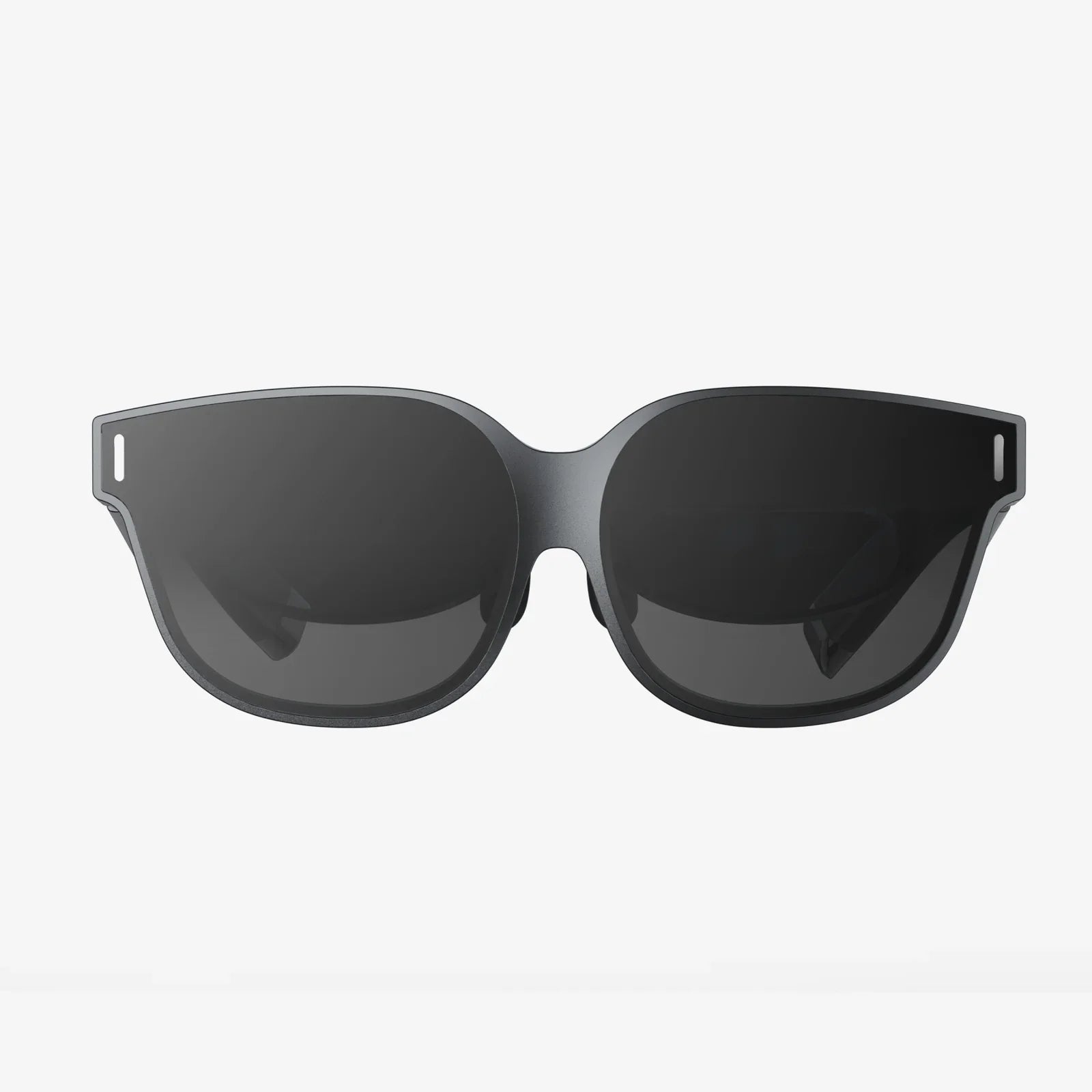
- by wangfred
Standalone VR System: The Ultimate Guide to Untethered Virtual Reality
- by wangfred
Imagine stepping into a vast, digital universe, unencumbered by wires, free to move and interact with a world limited only by imagination. This is no longer the stuff of science fiction but the accessible reality offered by the modern standalone VR system, a technological marvel that has democratized virtual reality and placed its infinite potential directly onto our heads. The journey into this untethered realm is one of liberation, innovation, and profound change, redefining how we play, work, and connect.
The initial forays into consumer virtual reality were thrilling but came with a significant anchor: a tangle of cables. Early systems were powerhouse units, but they required a physical connection to an equally powerful, and expensive, external computer. This tether not only presented a tripping hazard but also severely constrained the user's physical movement, constantly reminding them of the real world's boundaries. The experience, while immersive, was inherently limited by its leash.
The standalone VR system emerged as the definitive solution to this problem. It represented a paradigm shift, integrating all the necessary computational hardware—processor, graphics unit, sensors, and battery—directly into the headset itself. This all-in-one design eliminated the external computer entirely, untethering the user both physically and financially from high-end hardware. The revolution wasn't just about cutting the cord; it was about making virtual reality truly personal, portable, and profoundly more accessible to a global audience.
Packing a full computing system into a wearable, comfortable form factor is a feat of engineering. The core of any standalone VR system is a miniaturized mobile system-on-a-chip (SoC), similar to those found in high-end smartphones but often optimized for the intense graphical and spatial computing demands of VR. This chip is the brain, handling everything from rendering lush, interactive environments to tracking your precise movements in real-time.
This tracking is achieved through a technology called inside-out tracking. Instead of relying on external sensors or base stations placed around the room, the headset uses multiple integrated cameras to constantly scan its surroundings. These cameras map the environment, identifying unique features to understand its position and orientation relative to the room. This allows the system to translate your physical walks, ducks, and dodges into the virtual space seamlessly, creating a safe and intuitive boundary system that warns you if you're about to step into a real-world obstacle.
Furthermore, the controllers are a masterpiece of ergonomic design and functionality. They are tracked by the headset's cameras and often include inertial measurement units (IMUs) for precise motion detection. Haptic feedback motors provide a tangible sense of touch, allowing you to feel the virtual world through subtle vibrations, from the recoil of a virtual weapon to the gentle patter of digital rain.
The true value of any platform lies in its content, and standalone VR systems boast an ever-growing ecosystem that caters to every conceivable interest.
This is where the technology truly shines. The library is vast and diverse, featuring everything from pulse-pounding action-adventure titles and intricate puzzle games to serene artistic experiences and social hangouts. Players are no longer just controlling a character on a screen; they are the character, physically aiming, throwing, climbing, and swinging their way through challenges. The complete freedom of movement enabled by a standalone VR system elevates gameplay from a passive activity to a full-body experience.
Virtual reality has unexpectedly become a powerhouse in the fitness industry. A plethora of applications are designed specifically to get users moving, offering structured workouts, rhythm-based boxing, and even guided meditation in breathtaking environments. These apps turn exercise into an engaging game, tracking calories burned and time active, proving that a standalone VR system can be one of the most enjoyable pieces of fitness equipment one can own.
Perhaps one of the most transformative applications is in social connectivity. These platforms allow users to meet friends, family, and colleagues in virtual spaces as personalized avatars. They can watch movies together on a giant screen, attend live concerts, play games, or simply converse in environments that feel palpably present. For remote work, the implications are staggering, enabling teams to collaborate on 3D models, conduct meetings on a virtual Mars, or brainstorm on infinite whiteboards, making geographical distance irrelevant.
From touring ancient Roman ruins to conducting a complex heart surgery simulation, the educational potential is boundless. Learners can absorb information through experiential immersion, a method far more impactful than reading text or watching videos. Industries are leveraging this for high-stakes training, allowing mechanics to practice on virtual engines or first responders to simulate disaster scenarios, all within a completely safe and repeatable environment.
While the technology is impressive, it's important to approach it with realistic expectations. The graphical fidelity, though improving rapidly, may not match the ultra-high-fidelity output of a top-tier tethered system powered by a desktop supercomputer. There is a trade-off between mobility and raw graphical power, though for most users, the freedom far outweighs this difference.
Battery life is another consideration. Most systems offer two to three hours of continuous use on a single charge, which is ample for most gaming sessions or experiences but requires planning for longer engagements. Comfort is also highly subjective; while manufacturers strive for a balanced design, some users may need to experiment with aftermarket straps or accessories for extended play.
The evolution of the standalone VR system is accelerating at a breathtaking pace. Several key technologies are poised to push the boundaries even further. The integration of advanced eye-tracking will enable foveated rendering, a technique that focuses rendering resources only on where the user is directly looking, drastically improving performance and visual quality without requiring more powerful chips. This could bridge the graphical gap with tethered systems.
Furthermore, the development of more sophisticated haptic gloves and full-body tracking suits will move us beyond controllers, allowing for natural hand interactions and embodying our entire physical presence in the virtual world. The concept of the metaverse—a persistent, interconnected network of virtual spaces—is being built primarily upon the foundation of standalone VR, positioning these devices as the primary gateway to the next iteration of the internet.
We are also on the cusp of seeing breakthroughs in varifocal displays, which can adjust focus dynamically to match the depth of the virtual object you're looking at, reducing eye strain and increasing realism. Combined with advancements in artificial intelligence and spatial audio, the line between our physical reality and the digital domains we create will become increasingly blurred, and it will be the standalone VR system that serves as our passport across that frontier.
The cord has been cut, and there's no going back. The standalone VR system is more than a piece of hardware; it's a key—a key to boundless worlds of play, new dimensions of social interaction, and revolutionary methods of learning and creation. It invites you not just to see a new reality, but to step inside and truly live it, on your terms and in your space. The door is open, and the adventure awaits just a headset away.
Share:
Bluetooth Eyewear Sunglasses: The Ultimate Fusion of Audio, Style, and Sun Protection
Wireless Headset for iPhone XR: The Ultimate Guide to Unlocking True Audio Freedom